Issue · Labor & Employment

Labor & Employment

Every labor & employment bill, vote, and legislator stance in New York, automatically classified by Maddy, our AI policy reader.

Total bills
1,483
2025 Regular Session
Top supporter
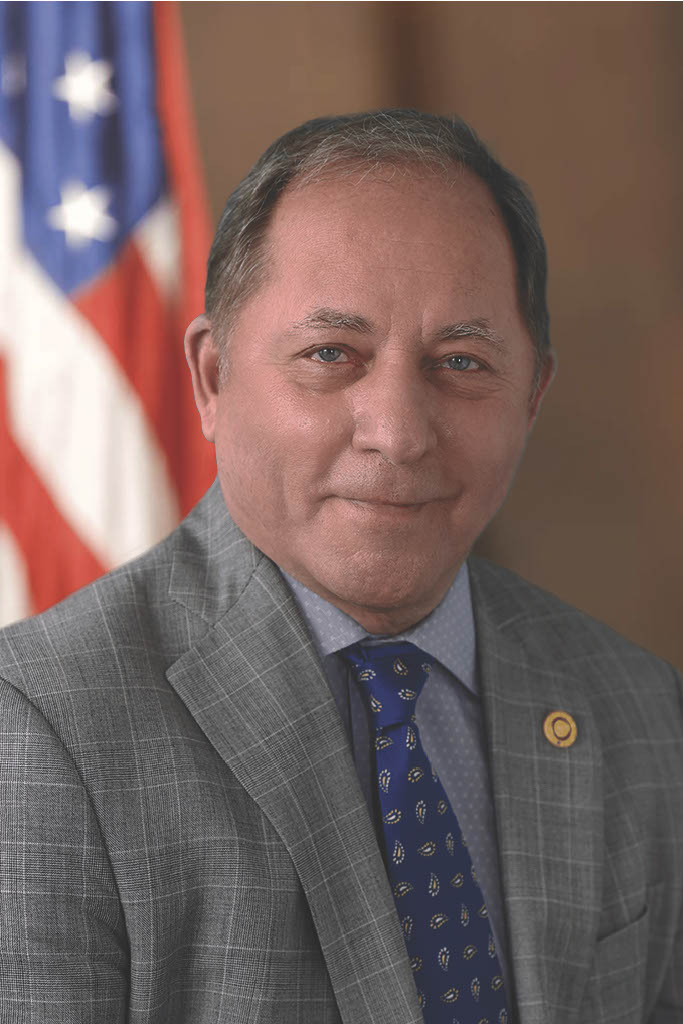
MaryJane Shimsky
100% support rate
Top opponent
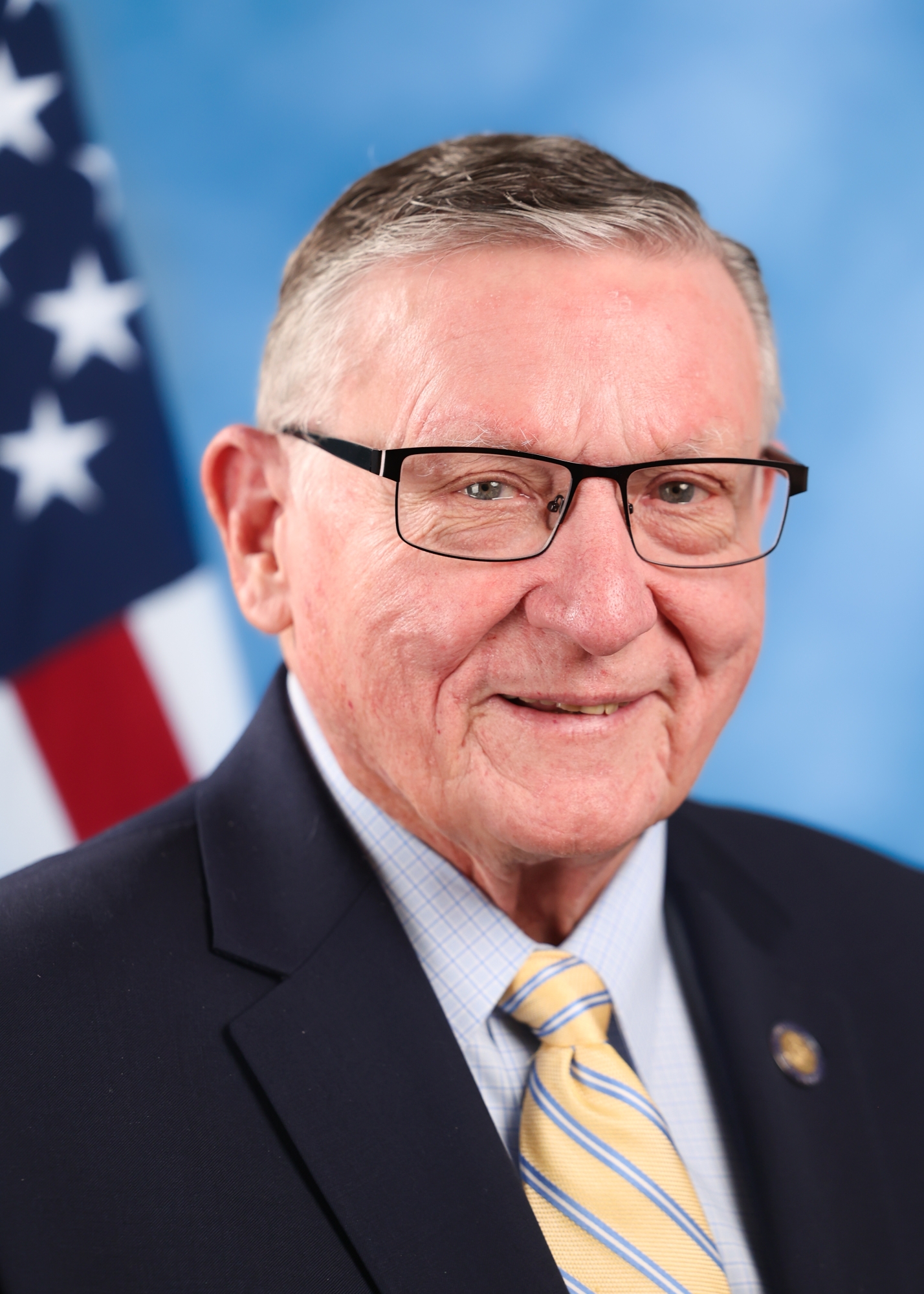
Chris Friend
0% support rate
Ranked legislators
10
5 support · 5 oppose
Key legislators

Who's moving labor & employment in New York

Legislators moving labor & employment in New York
Legislator Party Stance Support rate Votes
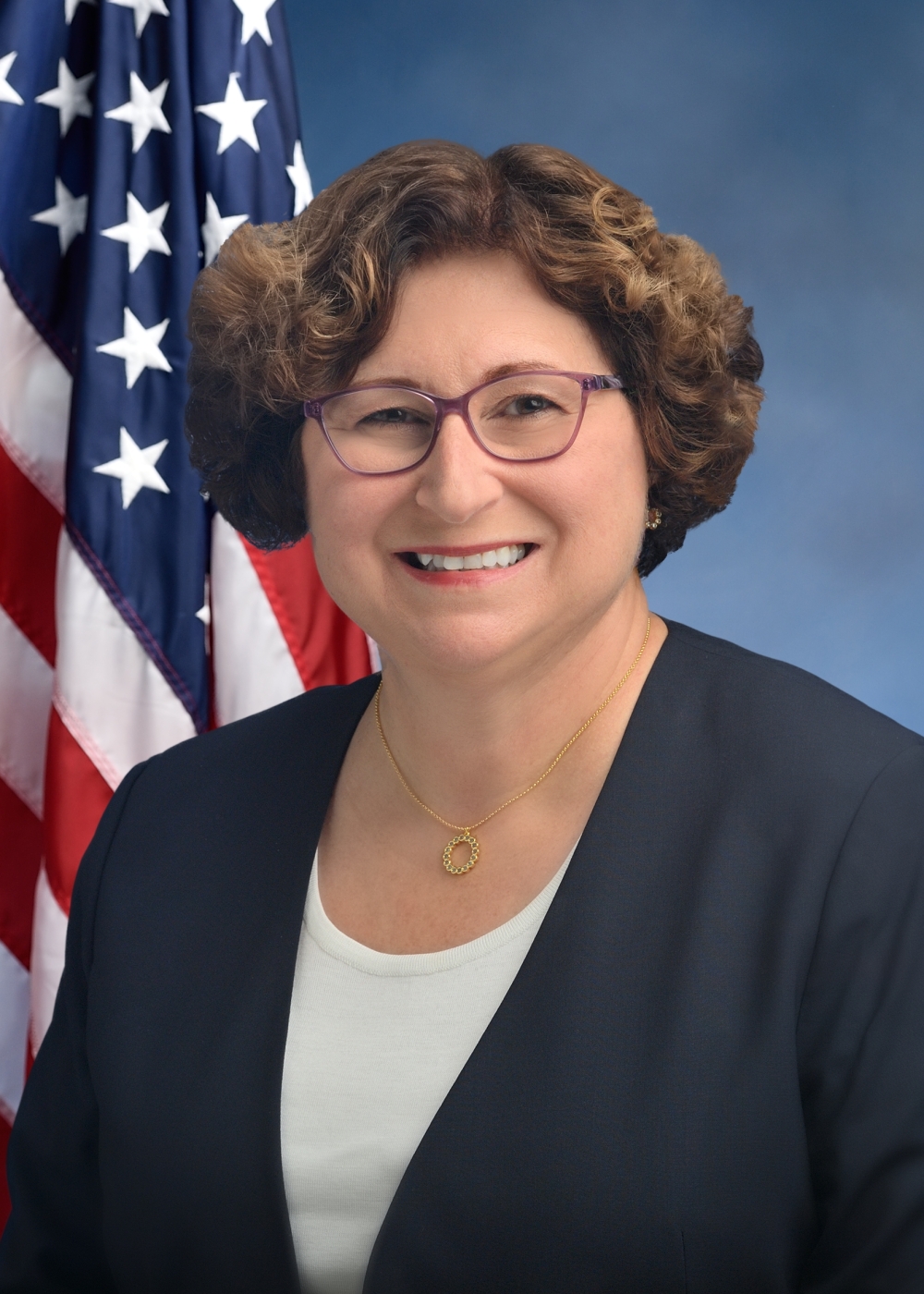
MaryJane Shimsky
MaryJane Shimsky House · District 92
D
Strong +
100% 63
Jonathan Jacobson
Jonathan Jacobson House · District 104
D
Strong +
100% 63
Ron Kim
Ron Kim House · District 40
D
Strong +
100% 63
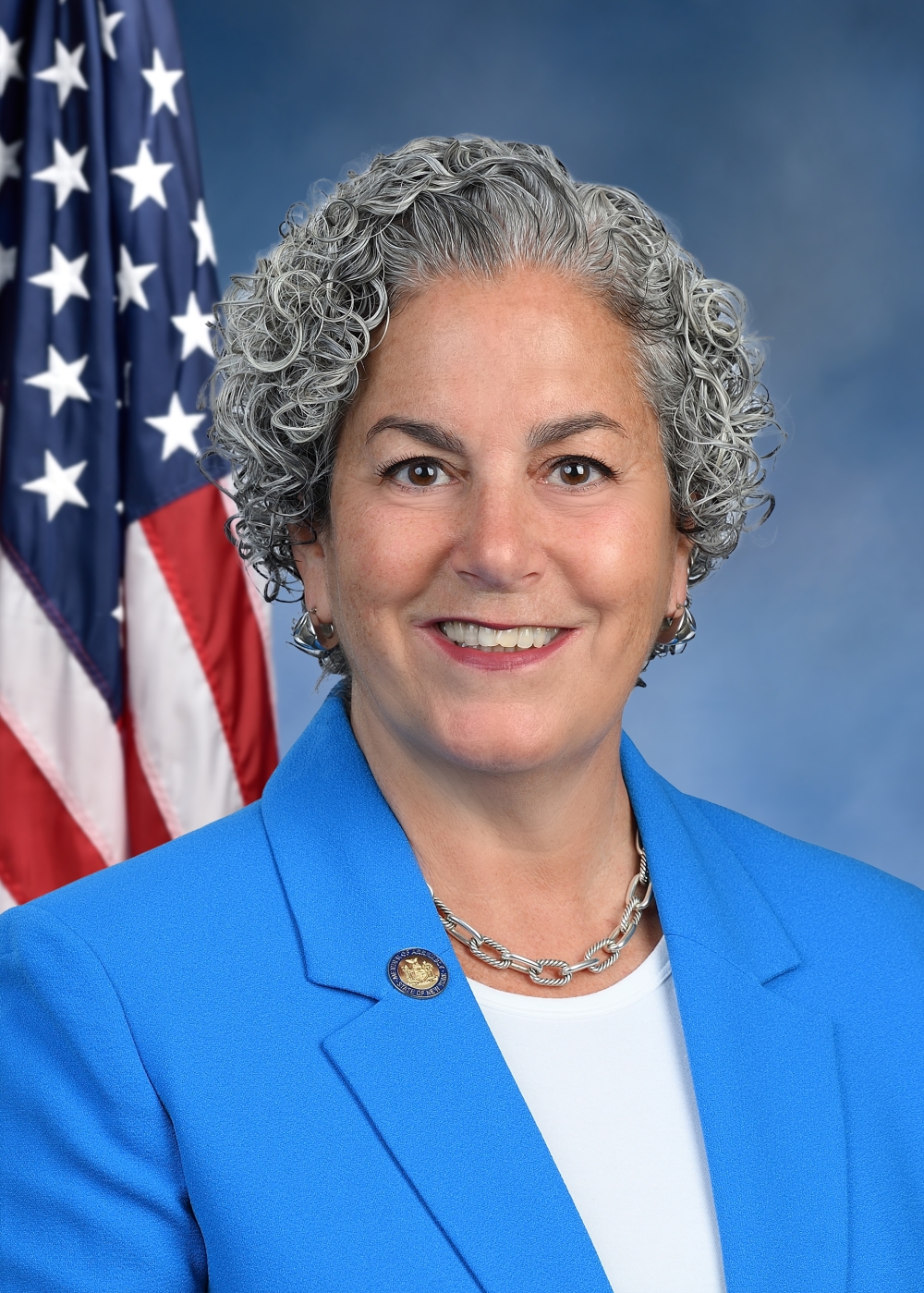
Stacey Pheffer Amato
Stacey Pheffer Amato House · District 23
D
Strong +
100% 63
Chris Burdick
Chris Burdick House · District 93
D
Strong +
100% 63
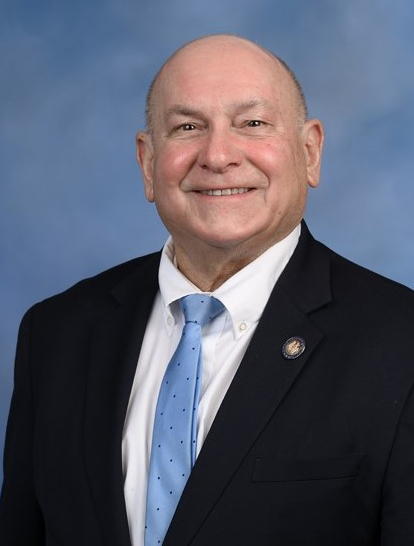
Chris Friend
Chris Friend House · District 124
R
Strong −
0% 60
Chris Tague
Chris Tague House · District 102
R
Strong −
0% 63
Steve Hawley
Steve Hawley House · District 139
R
Strong −
4% 62
Ken Blankenbush
Ken Blankenbush House · District 117
R
Strong −
4% 61
Dave DiPietro
Dave DiPietro House · District 147
R
Strong −
4% 62
Showing 1,401–1,410 of 1,483 bills

All labor & employment bills

in committee · New York · Senate Jan 7, 2026

S 1436: Relates to paid sick leave provided by employers with full-time employee equivalents

S 1436 requires employers to provide paid sick leave based on business size: employers with 5-99 full-time equivalent employees must offer 40 hours of paid sick leave annually per worker, while those with 100+ employees must provide 56 hours. Smaller employers (4 or fewer full-time equivalents) generally provide unpaid sick leave unless they earned over $1 million net income last year, in which case it becomes paid. Employees accrue sick leave at a rate of one hour for every 30 regular work hours, starting from hire or the bill's effective date. The law takes effect immediately and applies to all covered employers in New York.
in committee · New York · Senate Jan 7, 2026

S 6108: Includes public employment in wage payment provisions

This bill (S 6108) amends New York's labor law to explicitly include public employers - such as counties, towns, school districts, and municipal corporations - within the legal definition of "employer" for wage payment rules. Currently, these public entities are excluded from the definition, meaning public employees (like teachers or city workers) were not covered under standard wage protections. The change requires public employers to follow the same wage payment provisions as private businesses, ensuring public employees receive guaranteed pay and overtime under state law. It directly affects public sector workers and their employers across local government and school systems. The bill was referred to the Labor Committee on March 5, 2025.
Sub-Topics Labor Standards
in committee · New York · Senate Jan 7, 2026

S 5828: Prohibits employers from asking job applicants about salary expectations and allowing job applicants to request the included benefits for the position they are applying for

Prohibits employers from asking job applicants about salary expectations; allows job applicants to request the included benefits for the position they are applying for.
in committee · New York · Senate Jan 7, 2026

S 3949: Requires human service providers that contract with the state to pay their employees a certain minimum wage

Requires that all human services contracts between any public entity and a human services provider stipulate that the public entity will pay no less than 150% of the higher of: the otherwise applicable minimum wage in the state or any otherwise applicable wage rule or order and that the necessary amounts have been appropriated to ensure payment of such minimum wage.
in committee · New York · Assembly Jan 7, 2026

A 6948: Provides that 32 hours shall constitute a legal week's work

This bill establishes a 32-hour standard workweek for most employees, replacing the typical 40-hour week. It directly affects most private-sector workers, excluding farm workers and employees covered under specific provisions of labor law (section 220). Key provisions allow for overtime agreements with higher pay, but prohibit such arrangements for state/municipal employees, contractors, or subcontractors. The law takes effect immediately upon passage.
in committee · New York · Senate Jan 7, 2026

S 60: Clarifies methods for the payment of wages and authorizes the payment of wages by use of payroll cards

S 60 clarifies that employers may pay wages using payroll cards only with an employee's voluntary written or electronic consent, and it directly affects workers who choose this payment method. The bill prohibits employers from requiring payroll cards as a condition of hire or employment, bans fees for basic transactions (like withdrawals at in-network ATMs), and mandates free access to account balances and transaction histories. Employers must also continue offering traditional payment options like checks and direct deposit, and payroll cards must be insured like regular bank accounts. The law ensures workers using payroll cards retain full control over their wages without hidden costs or forced financial products.
in committee · New York · Assembly Jan 7, 2026

A 1776: Relates to negotiations between a governing board and a labor organization

This bill requires public meetings and transparency in labor negotiations between government governing boards (like city councils or school boards) and labor organizations. It mandates that all negotiation sessions be open to the public, all exchanged documents (offers, minutes, etc.) be subject to public disclosure, and governing boards provide 14-day advance notice of meetings on their website. The bill also requires governing boards to share financial analyses of proposed contracts and make related complaint proceedings public records. These provisions directly affect local government entities and labor unions negotiating collective bargaining agreements.
passed both · New York · Assembly Jun 1, 2026

A 1202: Relates to use of accrued sick time, compensation time or vacation time

This bill allows public employees in New York (including state, county, school district, and retirement system workers) to use accrued sick, vacation, or personal time during waiting periods for workers' compensation benefits or when their claim is disputed. Employers cannot force employees to use this time during such periods, and if an employee later qualifies for benefits, they get their used time fully restored. The law does not apply to employees covered by collective bargaining agreements unless their union specifically opts in to these provisions. It preserves existing collective bargaining rights while ensuring employees don't lose accrued time during workers' comp processing delays.
in committee · New York · Senate Jan 7, 2026

S 439: Enacts "the prison wage act" relating to payment for labor performed by incarcerated individuals

This bill, known as "the prison wage act," mandates compensation for incarcerated individuals performing labor in state and local correctional facilities. It requires that these individuals be paid at least one-half of the state's minimum wage for any work performed or for which a wage would typically be due. This compensation applies to various types of labor, including general facility work, tasks for nonprofit organizations, and participation in work release programs. Additionally, hourly incentive allowances for educational and training programs must also meet this minimum wage standard.
in committee · New York · Assembly Jan 7, 2026

A 2188: Provides for training and education for sustainable wage jobs and traditional and nontraditional employment in public assistance employment programs

This bill (A 2188) updates New York's public assistance employment programs to prioritize well-paying, stable job training. It requires social services districts to develop employment plans that strongly consider training for "sustainable wage" jobs (defined as 185% of the poverty line, adjusted regionally) and "nontraditional" careers (like skilled trades or tech fields where one gender is under 25% employed). The bill mandates that these plans, developed with input from education providers and employers, specifically prioritize such opportunities for participants with high school diplomas or GEDs. It applies to individuals in public assistance programs seeking employment, ensuring their job training aligns with federal work requirements while focusing on higher-wage pathways.
Showing 1,401 to 1,410 of 1,483 bills