

Issue · Housing
Housing
Every housing bill, vote, and legislator stance in New York, automatically classified by Maddy, our AI policy reader.
Total bills
1,172
2025 Regular Session
Top supporter
Stefani Zinerman
100% support rate
Top opponent
Matt Simpson
0% support rate
Ranked legislators
10
5 support · 5 oppose
Key legislators
Who's moving housing in New York
| Legislator | Party | Stance | Support rate | Votes |
|---|---|---|---|---|
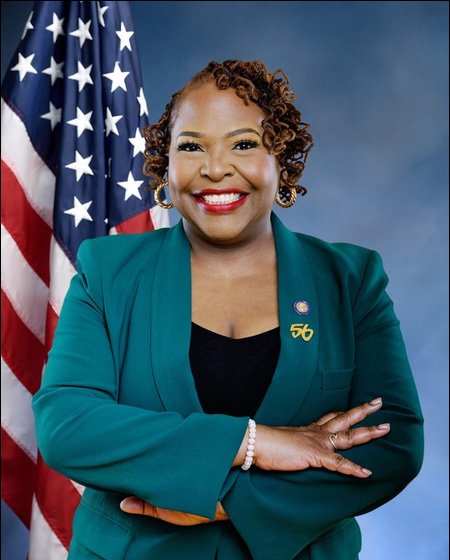
Stefani Zinerman
House · District 56
|
D |
Strong +
|
100% | 102 |
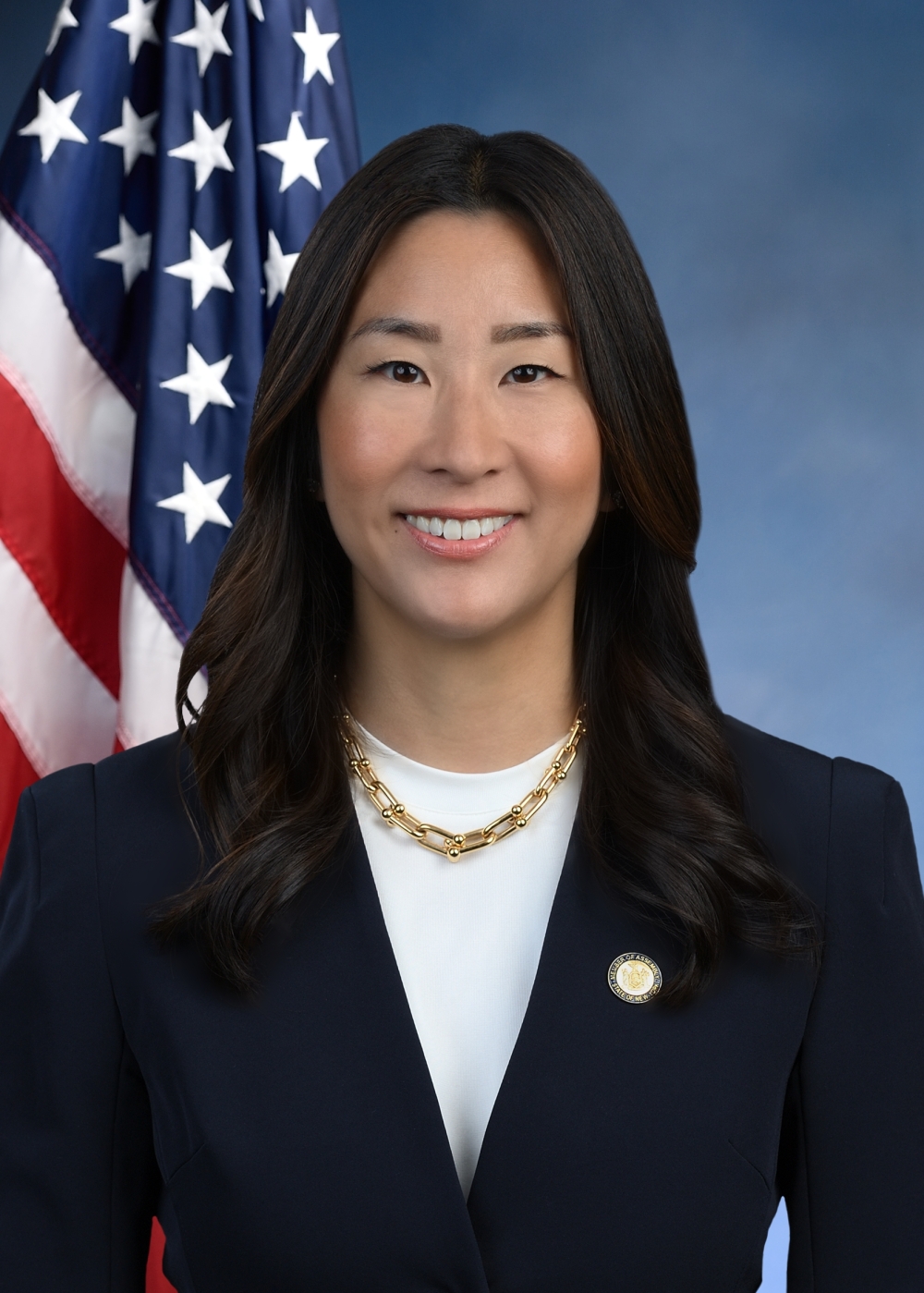
Grace Lee
House · District 65
|
D |
Strong +
|
100% | 103 |

Erik Dilan
House · District 54
|
D |
Strong +
|
100% | 94 |
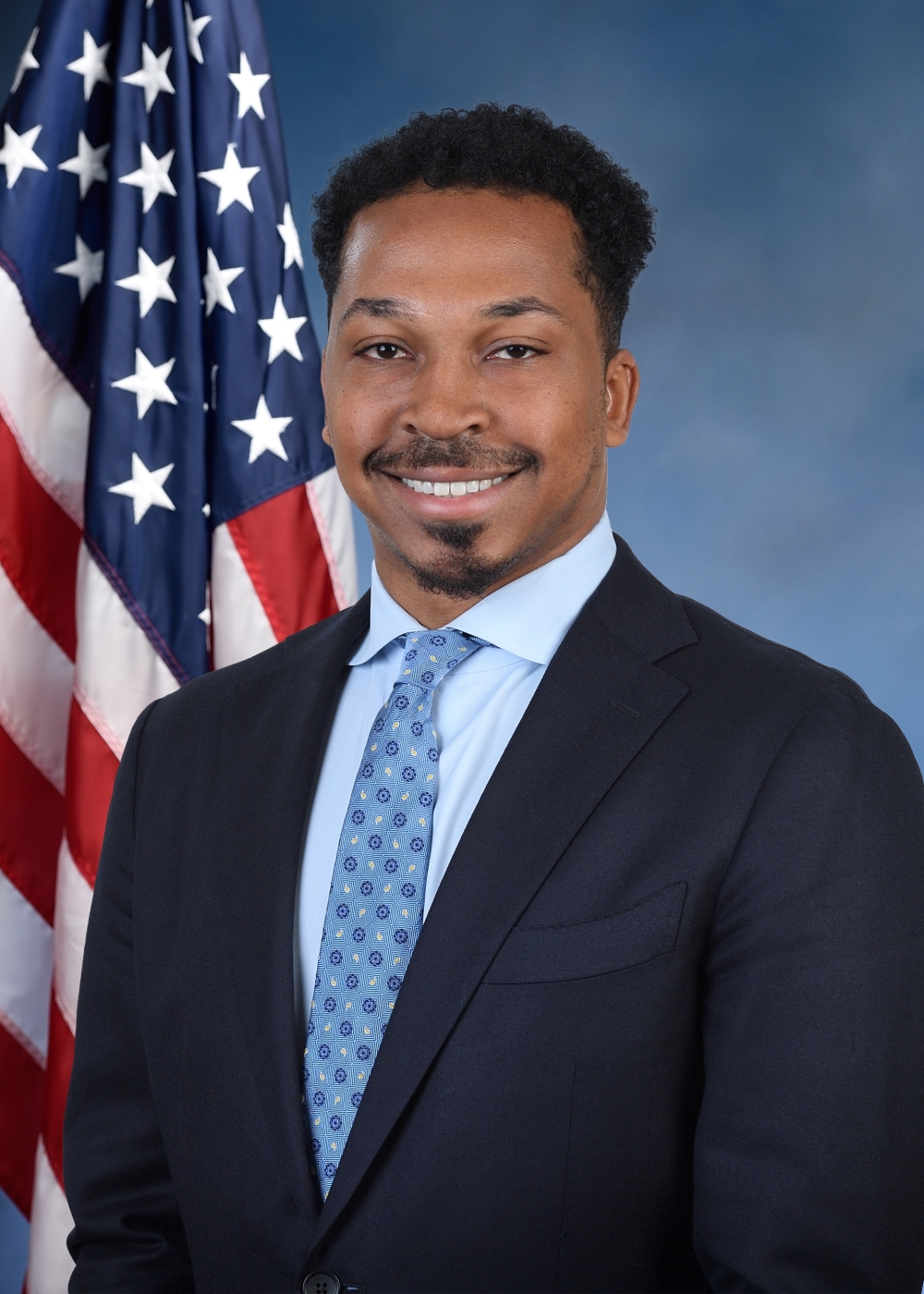
Jordan Wright
House · District 70
|
D |
Strong +
|
100% | 87 |
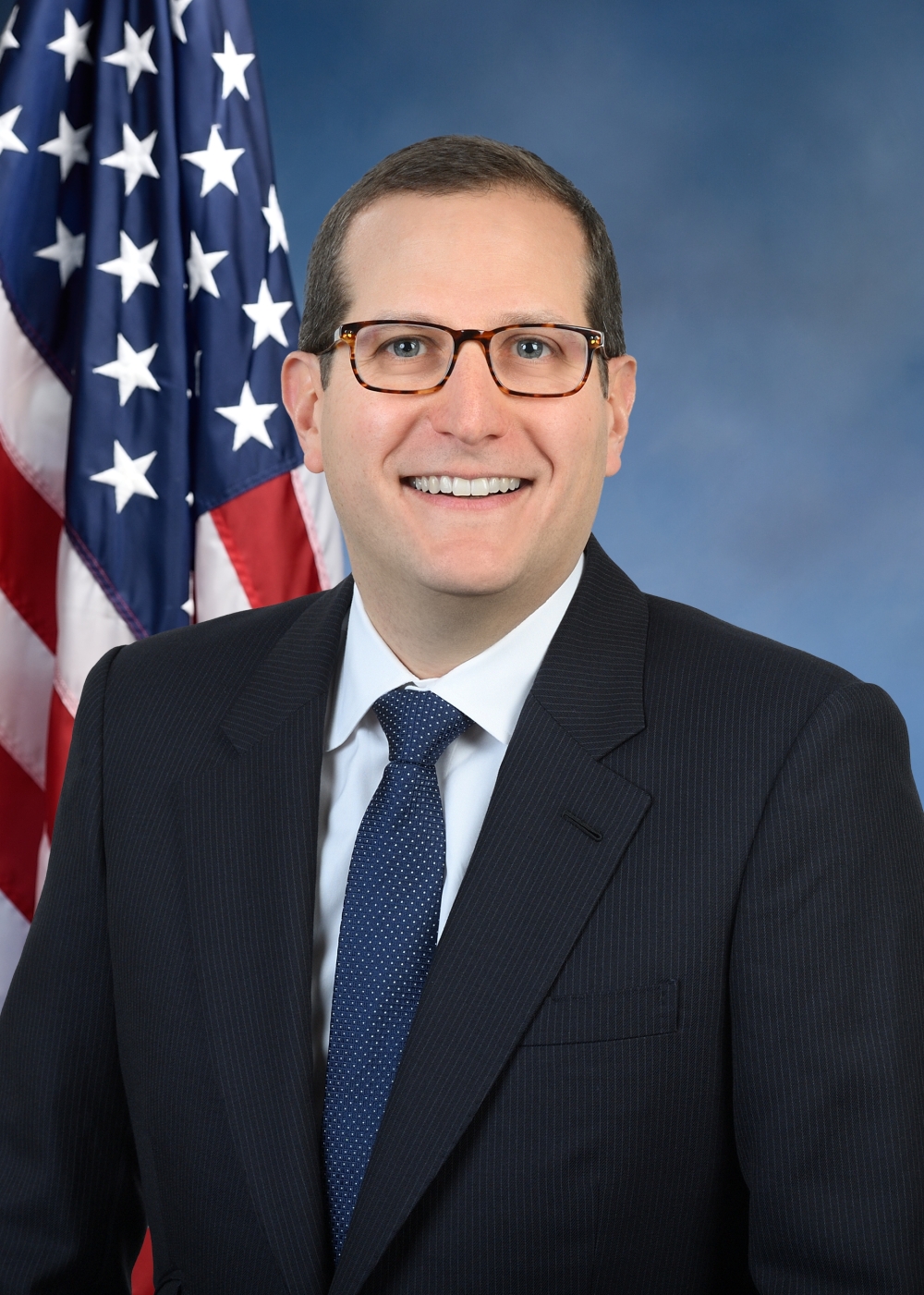
Micah Lasher
House · District 69
|
D |
Strong +
|
100% | 86 |
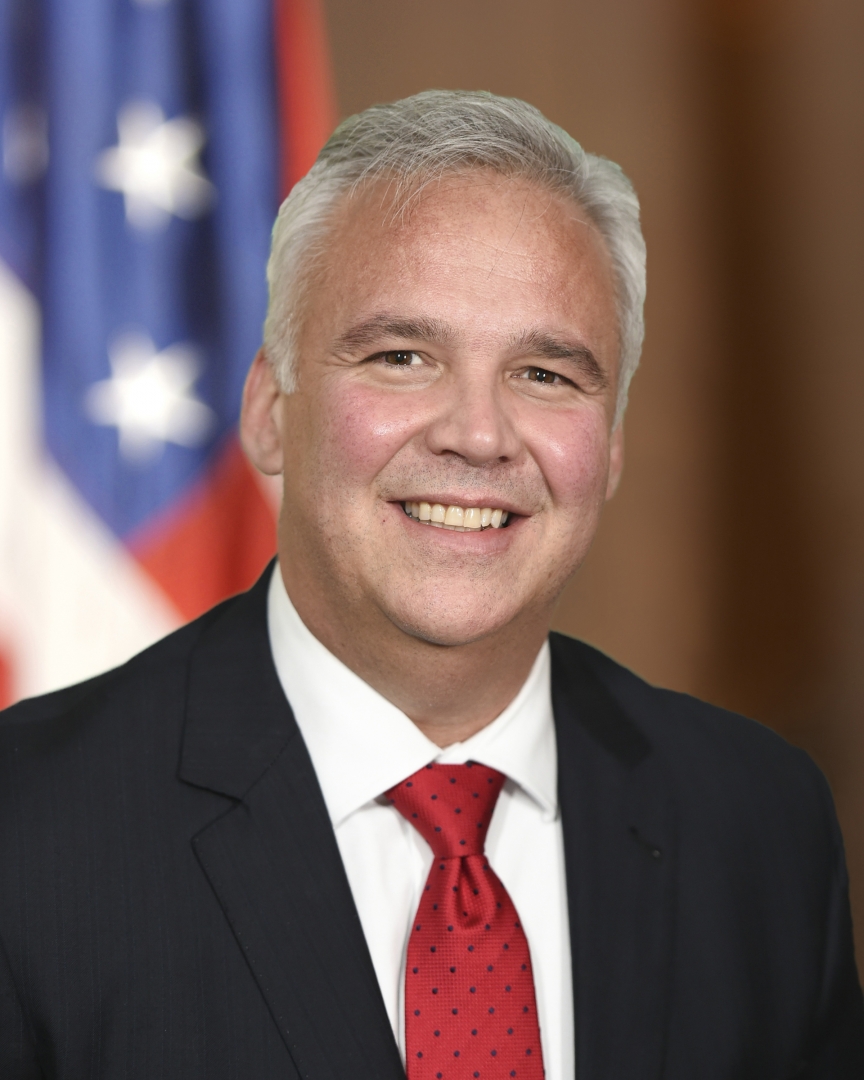
Matt Simpson
House · District 114
|
R |
Strong −
|
0% | 109 |

Ari Brown
House · District 20
|
R |
Strong −
|
3% | 114 |

Sam Pirozzolo
House · District 63
|
R |
Strong −
|
3% | 115 |

Mark Walczyk
Senate · District 49
|
R |
Strong −
|
5% | 367 |

Joe Sempolinski
House · District 148
|
R |
Strong −
|
6% | 119 |
Showing 1,061–1,070 of 1,172
bills
All housing bills
S 5109: Establishes the shovel-ready housing program
Topics
✓ Budget & TaxesSupports Budget & TaxesProvides tax rebate for residents in participating municipalities, offering direct tax relief under shovel-ready housing program
✓ HousingSupports HousingCreates shovel-ready program enabling faster housing construction via municipal pre-authorization and tax rebates, directly advancing housing development and affordability.
S 1573: Prohibits the use of algorithmic systems to artificially inflate the price or reduce the supply of leased or rented residential dwelling units
Topics
✓ HousingSupports HousingProhibits algorithms that artificially inflate rents/reduce supply, directly protecting tenants and advancing affordable housing by preventing price manipulation.
✓ TechnologySupports TechnologyProhibits algorithms used for rent pricing manipulation, regulating tech for consumer protection (tenant affordability), aligning with regulatory support indicators.
A 5108: Establishes the housing for an equitable reentry and opportunity (HERO) act
Topics
✓ Criminal JusticeSupports Criminal JusticeProhibits housing discrimination based on criminal legal system involvement, directly reducing reentry barriers and advancing rehabilitation - core criminal justice reform goals.
✓ HousingSupports HousingProhibits housing discrimination based on criminal justice involvement, directly advancing tenant protections as defined in topic indicators.
A 4991: Prohibits the use of an algorithmic device by a landlord for the purpose of determining the amount of rent to charge a residential tenant
Topics
✓ HousingSupports HousingProhibits algorithmic rent setting, preventing potential unfair pricing and protecting tenants from deceptive practices under housing tenant protection policies.
✓ TechnologySupports TechnologyProhibits algorithmic rent setting, protecting tenants from deceptive tech-driven practices under consumer protection regulations.
A 3203: Relates to limited profit housing companies
S 2661: Includes senior citizens as vulnerable populations eligible for supportive housing
Topics
✓ HealthcareSupports HealthcareAmends public health law to include seniors in housing programs addressing healthcare needs, directing funding toward accessible services for vulnerable population.
✓ HousingSupports HousingBill explicitly includes seniors (62+) as vulnerable population eligible for supportive housing, requiring programs to prioritize accessible housing and services for them.
A 8775: Expands the veterans' preference to include veterans who did not serve during a time of war for certain housing
Topics
✓ HousingSupports HousingExpands veterans' eligibility for affordable Mitchell-Lama housing programs, increasing access to existing affordable housing resources without restricting tenant rights or funding.
✓ VeteransSupports VeteransExpands housing preference to all veterans regardless of wartime service, strengthening access to affordable housing benefits.