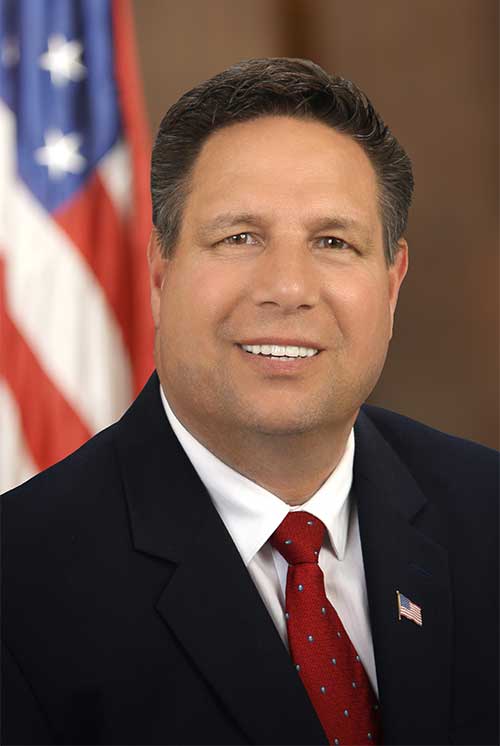
This bill creates a new peer-to-peer support program specifically designed for women veterans. It directs state agencies, such as mental health and labor departments, to work together to develop and run this service. Additionally, the bill updates the duties of the veterans' services office to include establishing this program and advocating for policies that address the unique experiences of female veterans. The changes will take effect on the first day of April following the bill's passage.
This bill asks the Governor of New York to officially recognize May 31, 2026, as No Tobacco Day. The resolution does not change any laws or create new programs; it simply encourages citizens to avoid starting smoking and to try quitting. It highlights the health risks of tobacco use and secondhand smoke, including heart disease, cancer, and respiratory problems. The bill is a ceremonial measure that raises awareness rather than implementing policy changes.
This bill allows people who are currently receiving hospice care to enroll in managed long-term care plans without losing their existing benefits. It ensures that individuals can choose hospice services under Medicare or Medicaid while remaining in a managed long-term care program, rather than being forced to leave that program. To support this change, the bill requires state agencies to create rules for better communication and shared care planning between hospice providers and long-term care administrators. Additionally, these programs must exchange necessary information to ensure that patients receive continuous care without unnecessary delays or disruptions.
This bill asks Governor Kathy Hochul to officially designate May 2026 as Trauma-Informed Care Month in New York State. The resolution highlights how traumatic experiences and adverse childhood events can impact physical and mental health, and it promotes the use of trauma-informed care as a way to better support individuals and communities. By recognizing this month, the state aims to increase awareness about the effects of trauma and encourage agencies to continue integrating trauma-informed approaches into their programs. The bill is a commemorative measure that does not create new laws or funding but serves to promote public understanding of trauma-informed care.
Requires the commissioner of the office of addiction services and supports to require mental health evaluations for participants in substance use disorder treatment programs and to promulgate rules and regulations to effectuate such requirement.
This bill asks the Governor of New York to officially designate May 14, 2026, as IgA Nephropathy Awareness Day. The measure aims to increase public understanding of IgA Nephropathy, an autoimmune condition that damages the kidneys and can lead to serious health issues requiring dialysis or a transplant. By establishing this specific date, the legislation seeks to encourage community events and support for families affected by the disease. The resolution does not change laws or funding but serves to highlight the condition and promote early diagnosis and treatment awareness.
Requires hospitals to obtain verbal and written informed consent from a patient or representative before including such patient's information in a general hospital facility directory.
This bill raises the annual earnings limit for retired emergency medical technicians, paramedics, and advanced emergency medical technicians employed by specific emergency services agencies to $50,000. The change allows these retirees to earn up to this amount from other work without reducing their retirement benefits, which were previously restricted by lower limits. The law applies immediately to the relevant agencies and personnel covered under the state's retirement and social security system.
Tags
Public Safety
This bill requires healthcare providers and facilities to report cases of Alpha-gal syndrome, a serious allergic reaction caused by tick bites, to state health officials. It mandates that the state health commissioner create rules to make this condition a reportable disease and update official surveillance reports to include it alongside other tick-borne illnesses. The legislation applies to medical practitioners and healthcare facilities across the state to improve tracking of this specific health condition. The bill will not take effect immediately but will begin 180 days after it becomes law.
Prohibits Medicaid service providers from requiring prior authorization for antiretroviral prescription drugs for the treatment or prevention of the human immunodeficiency virus (HIV) or acquired immunodeficiency syndrome (AIDS).