Issue · Healthcare

Healthcare

Every healthcare bill, vote, and legislator stance in New York, automatically classified by Maddy, our AI policy reader.

Total bills
2,747
2025 Regular Session
Top supporter
Jessica Ramos
100% support rate
Top opponent
Dave DiPietro
7% support rate
Ranked legislators
10
5 support · 5 oppose
Key legislators

Who's moving healthcare in New York

Legislators moving healthcare in New York
Legislator Party Stance Support rate Votes
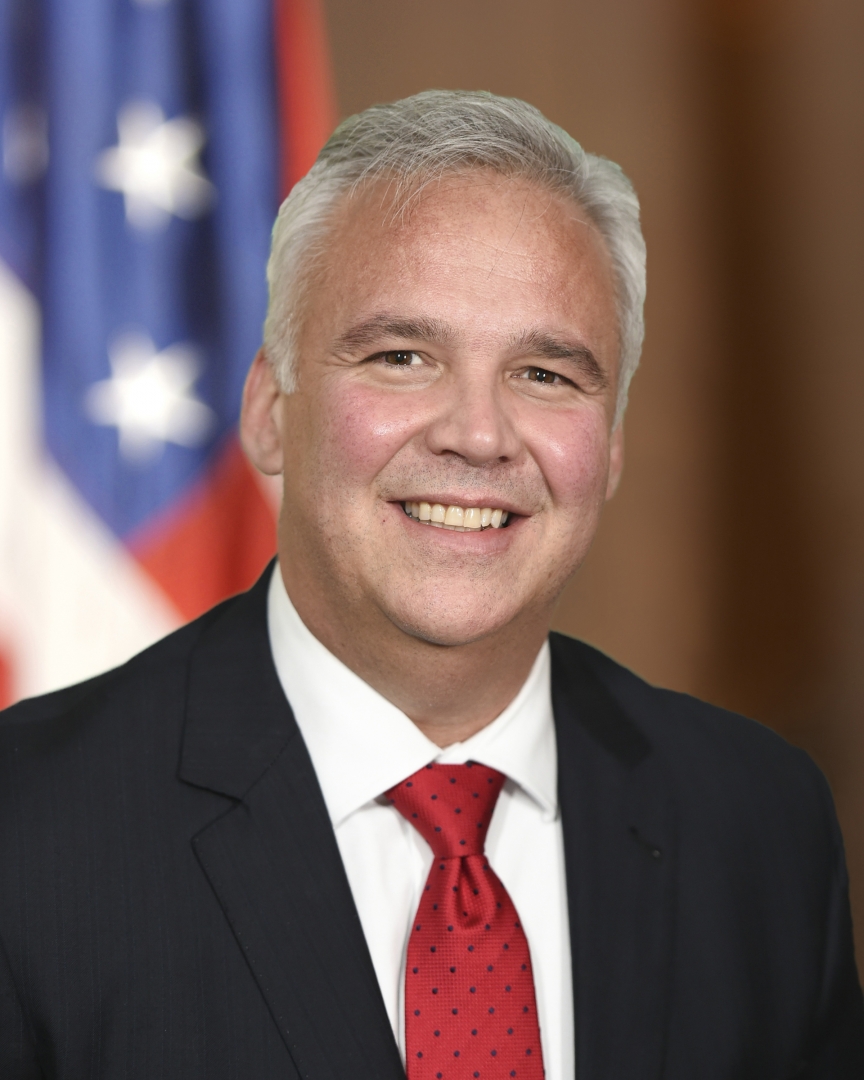
Jessica Ramos
Jessica Ramos Senate · District 13
D
Strong +
100% 195
Jeremy Zellner
Jeremy Zellner Senate · District 61
D
Strong +
100% 107
Keith Powers
Keith Powers House · District 74
D
Strong +
100% 33
Diana Moreno
Diana Moreno House · District 36
D
Strong +
100% 31
Erik Bottcher
Erik Bottcher Senate · District 47
D
Strong +
100% 103
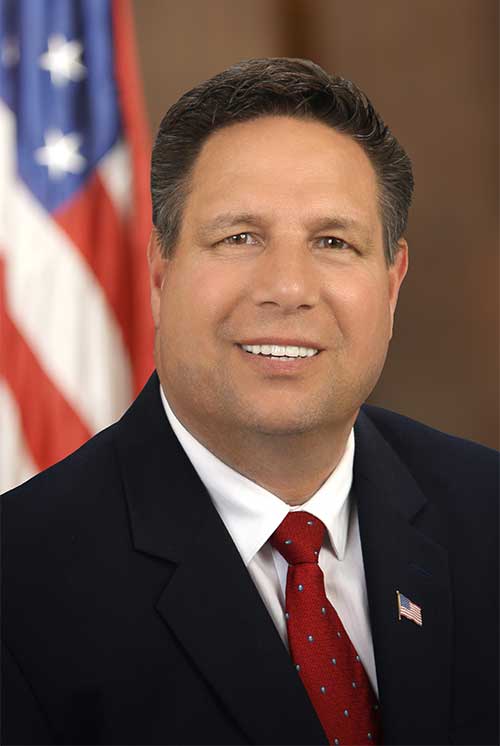
Dave DiPietro
Dave DiPietro House · District 147
R
Strong −
7% 56
Chris Friend
Chris Friend House · District 124
R
Strong −
8% 51
Mark Walczyk
Mark Walczyk Senate · District 49
R
Strong −
8% 257
Brian Manktelow
Brian Manktelow House · District 130
R
Strong −
10% 57
Matt Simpson
Matt Simpson House · District 114
R
Strong −
10% 57
Showing 91–100 of 2,747 bills

All healthcare bills

in committee · New York · Assembly May 19, 2026

A 11139: Requires hospitals to obtain verbal and written informed consent from a patient or representative before including such patient information in a general hospital facility directory

Requires hospitals to obtain verbal and written informed consent from a patient or representative before including such patient's information in a general hospital facility directory.
Sub-Topics Hospitals
passed · New York · Assembly Apr 21, 2026

K 1157: Memorializing Governor Kathy Hochul to proclaim April 2026 as Workplace Violence Prevention Month in the State of New York

This bill asks the Governor of New York to officially declare April 2026 as Workplace Violence Prevention Month. The measure aims to raise awareness about workplace safety, with a specific focus on protecting healthcare workers who face higher risks of violence. It does not change laws or create new programs but serves as a symbolic recognition of the issue. Copies of the resolution will be sent to the Governor and several medical organizations to highlight the importance of a safe work environment.
Sub-Topics Workplace Safety
in committee · New York · Assembly Apr 9, 2026

A 10924: Provides targeted inflationary increases for designated programs

This bill directs state agencies to provide a 2.7% inflationary increase for specific health and social service programs starting in the 2026-2027 fiscal year. The funding adjustment directly affects providers and organizations serving individuals with mental health conditions, developmental disabilities, and substance use disorders, as well as those offering aging and victim services. The legislation mandates that this 2.7% rate replace other new inflation adjustments for the specified period, ensuring a standardized cost-of-living update for eligible services.
Sub-Topics Mental Health
in committee · New York · Assembly Apr 9, 2026

A 10926: Relates to coverage for New Yorkers losing insurance due to the implementation of HR 1

This bill creates a state-funded program to provide health insurance coverage to New Yorkers who lose eligibility for federal subsidies due to their immigration status. It establishes a new state premium assistance program that offers financial help equivalent to federal tax credits for lawfully present individuals who are currently ineligible for federal aid. Additionally, the legislation expands eligibility for existing state coverage to include more noncitizens and increases income limits for pregnant individuals and their newborns, with some provisions funded directly by state money regardless of federal approval.
Sub-Topics Insurance
passed · New York · Senate May 19, 2026

S 9764: Prevents a judge from prohibiting a parent from undergoing a gender reassignment when making a determination in a child custody case

This bill amends New York's domestic relations law to guide judges in child custody cases. It requires courts to ignore the parents' sex, sexual orientation, gender identity, or gender expression when deciding what is best for the child. Additionally, the law explicitly forbids judges from stopping a parent from undergoing gender reassignment as part of their custody determination. These changes apply immediately to ensure that custody decisions focus on the child's welfare without penalizing parents for their gender identity or medical transitions.
in committee · New York · Senate Apr 24, 2026

S 10051: Requires epinephrine auto-injector devices at children's overnight, summer day and traveling summer camps

This bill requires children's overnight, summer day, and traveling summer camps to keep epinephrine auto-injectors on their premises. To comply, camp operators must sign a collaborative agreement with a licensed physician or hospital that outlines specific medical protocols and file this agreement with state officials. The law mandates that only staff who have completed approved training can use these devices, and every administration of an injector must be reported immediately to the partner healthcare provider. Additionally, the bill provides legal protections by classifying the use of epinephrine as first aid to shield camps from liability and clarifies that possessing these devices does not violate professional licensing rules.
Sub-Topics Hospitals
in committee · New York · Assembly Apr 24, 2026

A 11089: Relates to the disability retirement for safety and security officers

This bill updates the retirement and social security law to clarify disability benefits for security hospital treatment assistants and qualifying members. It ensures these officers receive disability retirement allowances if they become incapacitated due to injuries sustained while performing their duties or acts committed by incarcerated individuals. The legislation also establishes specific presumptions that certain health conditions, including HIV, tuberculosis, hepatitis, and heart diseases, were contracted or occurred while on the job, unless proven otherwise. These changes directly affect current and future employees in these roles by streamlining the process for claiming disability benefits related to occupational hazards.
Sub-Topics Hospitals
passed both · New York · Assembly Jun 3, 2026

A 10443: Clarifies who may sue an insurer for violations related to misrepresentations, misleading statements and incomplete comparisons

Clarifies that residents of the state and any policyholder, contract holder, certificate holder, or beneficiary of a policy, contract, or certificate of life, accident and health insurance may sue an insurer for violations related to misrepresentations, misleading statements and incomplete comparisons.
Sub-Topics Insurance
passed · New York · Assembly Apr 29, 2026

K 1237: Memorializing Governor Kathy Hochul to proclaim April 2026, as Co-Occurring Disorders Awareness Month in the State of New York

This bill asks the Governor of New York to officially recognize April 2026 as Co-Occurring Disorders Awareness Month. The resolution defines co-occurring disorders as the presence of both a mental illness and a substance use disorder in the same individual. By designating this month, the bill aims to increase public awareness and encourage integrated treatment approaches for these conditions. The measure does not change laws or allocate funding but serves to highlight the importance of addressing both disorders simultaneously for better health outcomes.
in committee · New York · Assembly Apr 24, 2026

A 11082: Expands the amount of information required in client service reports

This bill requires mental health facilities to include the names and employee identification numbers of staff members who assist patients in their service reports. The law mandates that these reports list the types, locations, dates, and costs of services provided, along with the specific individuals responsible for delivering them. To protect staff safety, the bill limits the disclosure of full names to situations where revealing only a first name and first initial would not compromise personal security. These updated reports must be made available to patients within thirty days after treatment ends or after the anniversary of their admission, depending on the duration of care.
Sub-Topics Mental Health
Showing 91 to 100 of 2,747 bills
Previous 1 9 10 11 275 Next