Issue · Healthcare

Healthcare

Every healthcare bill, vote, and legislator stance in New York, automatically classified by Maddy, our AI policy reader.

Total bills
2,747
2025 Regular Session
Top supporter
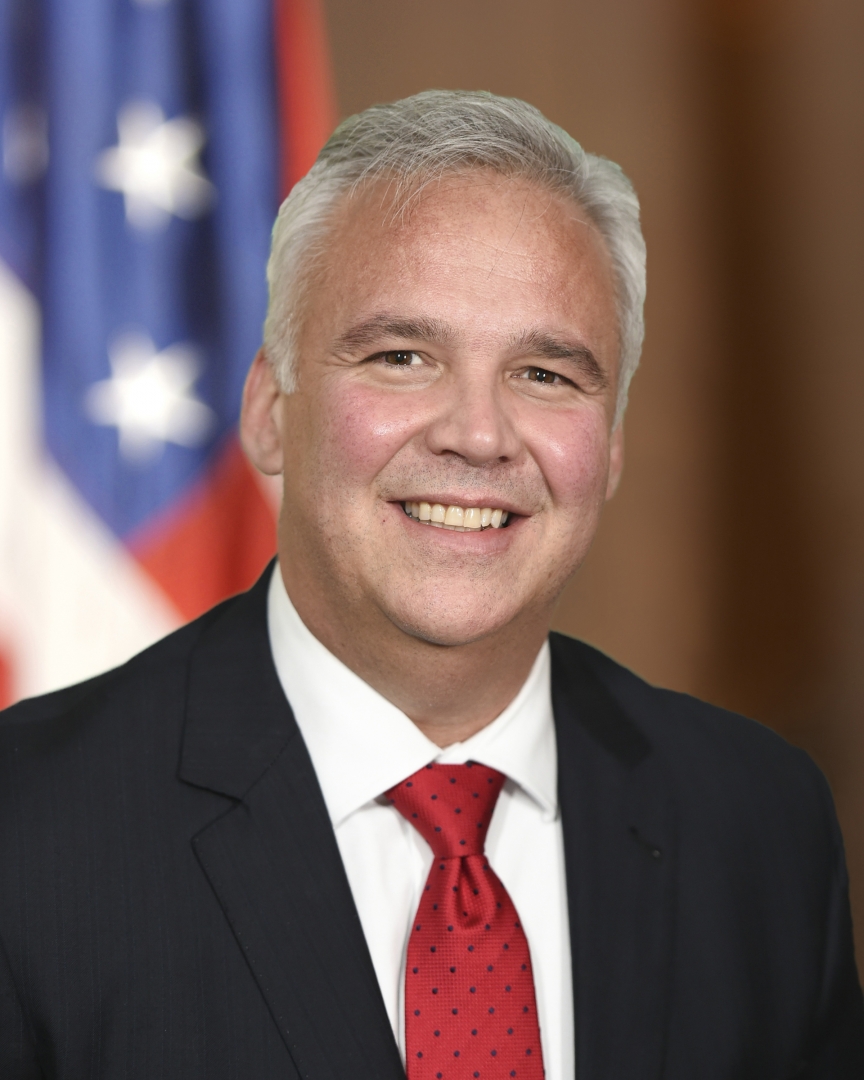
Jessica Ramos
100% support rate
Top opponent
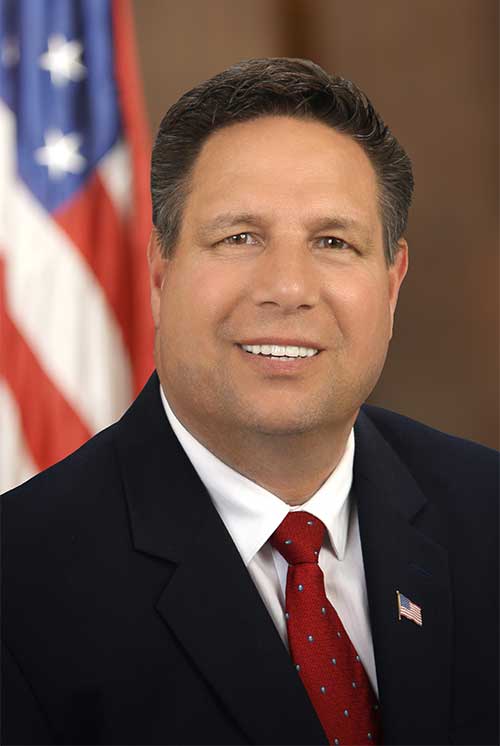
Dave DiPietro
7% support rate
Ranked legislators
10
5 support · 5 oppose
Key legislators

Who's moving healthcare in New York

Legislators moving healthcare in New York
Legislator Party Stance Support rate Votes
Jessica Ramos
Jessica Ramos Senate · District 13
D
Strong +
100% 195
Jeremy Zellner
Jeremy Zellner Senate · District 61
D
Strong +
100% 107
Keith Powers
Keith Powers House · District 74
D
Strong +
100% 33
Diana Moreno
Diana Moreno House · District 36
D
Strong +
100% 31
Erik Bottcher
Erik Bottcher Senate · District 47
D
Strong +
100% 103
Dave DiPietro
Dave DiPietro House · District 147
R
Strong −
7% 56
Chris Friend
Chris Friend House · District 124
R
Strong −
8% 51
Mark Walczyk
Mark Walczyk Senate · District 49
R
Strong −
8% 257
Brian Manktelow
Brian Manktelow House · District 130
R
Strong −
10% 57
Matt Simpson
Matt Simpson House · District 114
R
Strong −
10% 57
Showing 101–110 of 2,747 bills

All healthcare bills

in committee · New York · Senate Apr 24, 2026

S 10052: Authorizes the presence of epinephrine auto-injector devices on pre-school premises

This bill amends the Public Health Law to officially allow epinephrine auto-injectors, commonly known as EpiPens, to be present on preschool premises. By adding preschool facilities and their employees to the list of eligible entities, the legislation clarifies that these locations can legally possess and use these medical devices for emergency situations. The change takes effect ninety days after the law is enacted, ensuring a transition period before the new rule is fully in force.
Sub-Topics Public Health
in committee · New York · Assembly Jun 4, 2026

A 11056: Authorizes the village of New Berlin to alienate certain parklands

This bill authorizes the Village of New Berlin to sell a specific 7.54-acre parkland to Good Shepherd Communities for the purpose of building a skilled nursing and rehabilitation facility. A key condition of the sale is that the village must use the proceeds to buy new land or improve existing parks to replace the area being sold. The legislation also requires the village to follow any federal rules regarding the conversion of parkland if the land was previously funded by federal grants. If approved, the village's governing body will determine the final terms of the sale at fair market value.
Sub-Topics Long-Term Care
passed · New York · Assembly Apr 28, 2026

K 1216: Memorializing Governor Kathy Hochul to proclaim April 2026, as Esophageal Cancer Awareness Month in the State of New York

This bill asks the Governor of New York to officially designate April 2026 as Esophageal Cancer Awareness Month. The measure aims to highlight the rising rates of this disease and encourage the public to seek early screening for symptoms like persistent heartburn. By raising awareness, the resolution hopes to educate New Yorkers about the link between gastroesophageal reflux disease and esophageal cancer. The bill is a symbolic gesture that does not create new laws or funding but serves to bring attention to the issue through a formal proclamation.
passed · New York · Assembly Apr 29, 2026

K 1234: Memorializing Governor Kathy Hochul to proclaim April 29, 2026, as Undiagnosed Rare Disease Day in the State of New York

This bill asks Governor Kathy Hochul to officially recognize April 29, 2026, as Undiagnosed Rare Disease Day in New York. The measure aims to raise public awareness about the challenges faced by individuals with rare conditions that have not yet been diagnosed. By aligning with a national observance, the bill highlights the emotional, physical, and financial burdens these patients and their families often endure. The resolution does not change laws or allocate funds but serves as a symbolic gesture to honor those affected and encourage community empathy.
in committee · New York · Senate Jun 1, 2026

S 10340: Requires reporting of the tick-borne disease of Alpha-gal syndrome

This bill requires healthcare providers and facilities to report cases of Alpha-gal syndrome, a serious allergic reaction triggered by tick bites, to state health authorities. It mandates that the state health commissioner create rules to make this condition a reportable disease and include it in official tick-borne disease surveillance reports. The legislation aims to improve tracking and monitoring of this condition by ensuring consistent data collection from medical professionals. The changes will not take effect immediately but will begin approximately 260 days after the bill becomes law.
in committee · New York · Senate May 8, 2026

S 10257: Establishes the New York state nursing faculty scholarship incentive program

Establishes the New York state nursing faculty scholarship incentive program for advanced degrees in nursing; provides such incentives shall be awarded annually, on a competitive basis, to registered professional nurses and certified nurse practitioners who are in a masters or doctoral program and agree to teach nursing for one year for each year such incentive is awarded.
in committee · New York · Assembly May 11, 2026

A 11301: Establishes a framework for regenerative medicine and cell-based therapies

Establishes the "New York regenerative medicine advancement and patient protection act" to build framework for regenerative medicine and cell-based therapies; creates patient protections and disclosure requirements; authorizes limited physician use of qualifying regenerative medicine protocols; creates a regenerative medicine registry; establishes the New York regenerative medicine innovation program.
in committee · New York · Senate May 15, 2026

S 10360: Recognizes suicide as a line of duty death for the purposes of certain death benefits

This bill allows public safety officers, such as police, firefighters, and correction officers, to receive accidental death benefits if they die by suicide under specific circumstances. It qualifies these deaths as line-of-duty incidents when the suicide is linked to post-traumatic stress disorder from a work-related traumatic event or occurs within 45 days of such an event. The law establishes a legal presumption that these suicides are connected to the officer's trauma unless medical evidence proves otherwise, ensuring eligible families can access financial support without proving willful negligence.
Showing 101 to 110 of 2,747 bills
Previous 1 10 11 12 275 Next