Issue · Criminal Justice

Criminal Justice

Every criminal justice bill, vote, and legislator stance in New York, automatically classified by Maddy, our AI policy reader.

Total bills
2,153
2025 Regular Session
Top supporter
Bill Magnarelli
100% support rate
Top opponent
Chris Tague
4% support rate
Ranked legislators
10
5 support · 5 oppose
Key legislators

Who's moving criminal justice in New York

Legislators moving criminal justice in New York
Legislator Party Stance Support rate Decisive votes
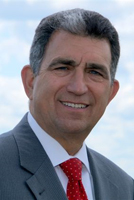
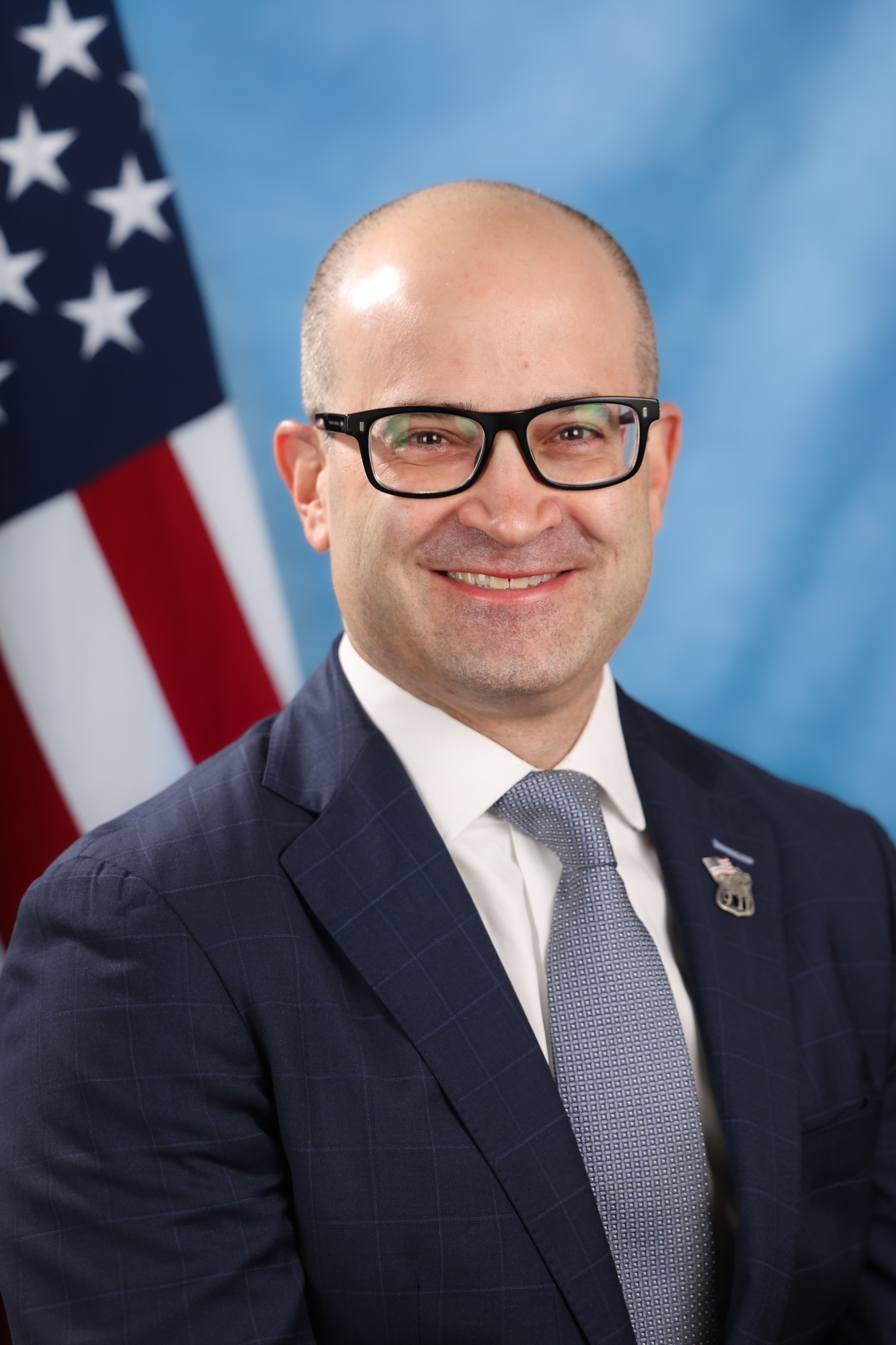
Bill Magnarelli
Bill Magnarelli House · District 129
D
Strong +
100% 27
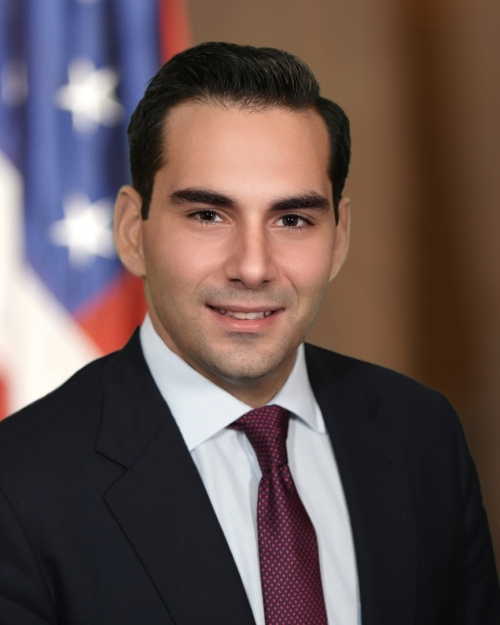
George Alvarez
George Alvarez House · District 78
D
Strong +
100% 27
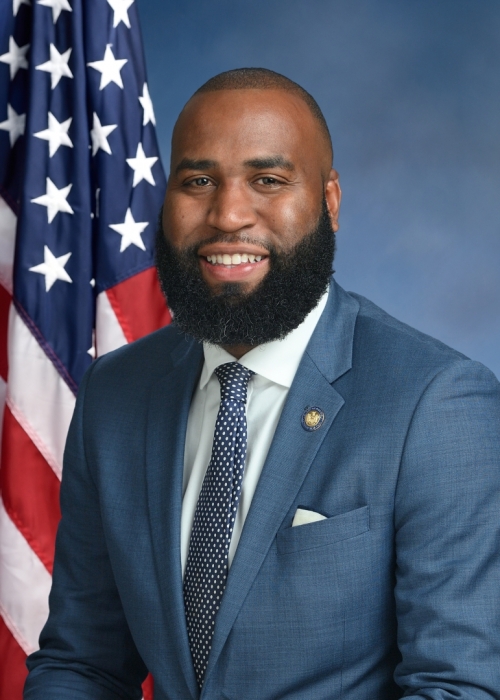
Brian Cunningham
Brian Cunningham House · District 43
D
Strong +
100% 25
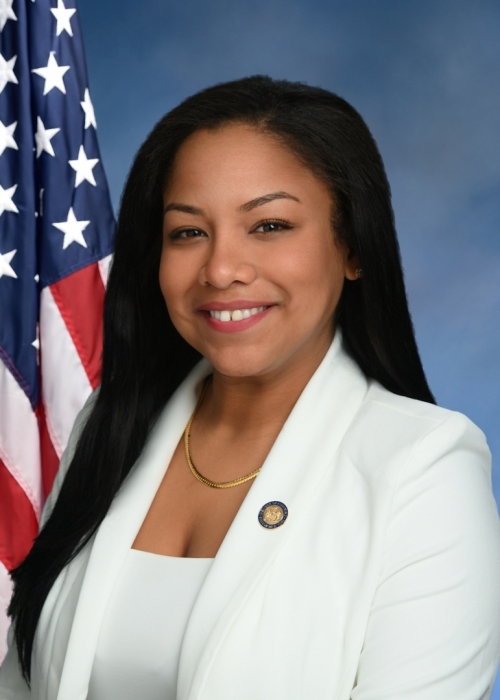
Amanda Septimo
Amanda Septimo House · District 84
D
Strong +
100% 24
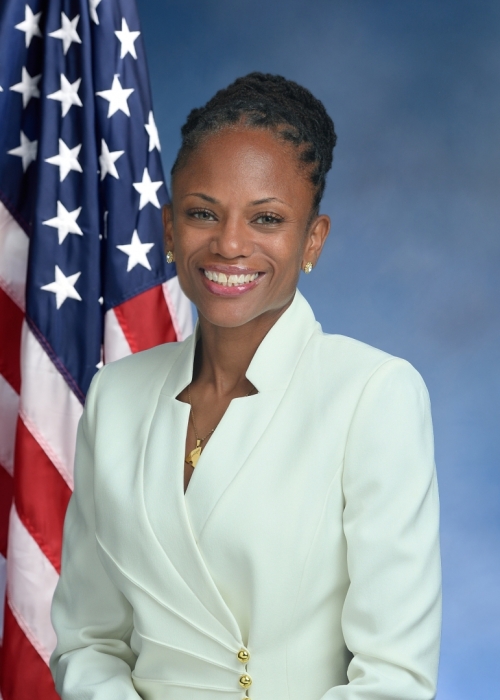
Monique Chandler-Waterman
Monique Chandler-Waterman House · District 58
D
Strong +
100% 24
Chris Tague
Chris Tague House · District 102
R
Strong −
4% 28
Dave DiPietro
Dave DiPietro House · District 147
R
Strong −
4% 28
Chris Friend
Chris Friend House · District 124
R
Strong −
4% 26
Ed Ra
Ed Ra House · District 19
R
Strong −
7% 28
Jarett Gandolfo
Jarett Gandolfo House · District 7
R
Strong −
7% 28
Showing 1,861–1,870 of 2,153 bills

All criminal justice bills

in committee · New York · Senate Jan 7, 2026

S 4089: Provides that instructions to the jury shall include certain defenses

Provides that instructions to the jury shall include certain defenses; provides that such instructions shall include, but not be limited to, "Do not let bias, sympathy, prejudice, or public opinion influence your decision"; defines the term "bias".
in committee · New York · Assembly Jan 7, 2026

A 7193: Relates to justification for the use of deadly physical force by a police or peace officer

Limits the circumstances which justify the use of deadly force by a police officer or peace officer to instances when the person committed a felony that threatened or resulted in death or serious bodily injury and the officer reasonably believes that the person will cause death or serious bodily injury to another person unless immediately apprehended.
in committee · New York · Senate Jan 7, 2026

S 7502: Establishes conviction integrity units

Establishes conviction integrity units; describes conviction integrity units; creates definitions; provides that a prosecution agency may create a conviction integrity unit to review convictions; provides that a conviction integrity unit may make recommendations for changes in convictions and sentences obtained by the prosecution agency; grants the prosecution agency discretion regarding the conviction integrity unit's recommendations; requires notice to the victim if a petition is filed by the prosecution agency; gives the superior court the discretion to provide relief.
Sub-Topics Courts Victims' Rights
in committee · New York · Senate Jan 7, 2026

S 1097: Prohibits law enforcement agencies or officers from inquiring about immigration status

Prohibits law enforcement agencies or officers from inquiring about immigration status unless a person is booked into a detention facility or the immigration status of a person is pertinent to the criminal investigation.
passed · New York · Senate May 19, 2026

S 611: Provides for victim statements at the sentencing of a defendant for a misdemeanor

This bill amends sentencing rules to allow victims to make statements at sentencing for specific misdemeanor cases. It directly affects victims of misdemeanors involving serious physical injury caused by vehicle-related offenses (like reckless driving) that were initially charged as felonies. The key provision requires courts to permit victim statements if requested at least 10 days before sentencing, and to notify defendants of this intent at least 7 days prior. If defendants don't receive timely notice, they may request a sentencing delay. The bill does not change sentencing outcomes but adds a procedural step for victim input in these defined cases.
in committee · New York · Senate Feb 4, 2026

S 863: Increases access to substance abuse programming for incarcerated individuals whose first language is not English

This bill requires correctional facilities to ensure incarcerated individuals whose first language isn't English can understand, participate in, and complete substance abuse programs. It mandates specific actions like hiring more bilingual counselors, translating program materials, and creating targeted programs for non-English speakers. The commissioner must consult with the Office of Addiction Services and Supports to implement these changes. The law takes effect immediately upon passage.
Sub-Topics Corrections
in committee · New York · Assembly Jan 7, 2026

A 4348: Requires the educational and vocational credits earned by incarcerated individuals are transferable upon release

Requires that curricula and educational programs provide incarcerated individuals the opportunity to earn educational or vocational credits which shall be transferable to an educational institution upon the release of the incarcerated individual.
in committee · New York · Senate Jan 7, 2026

S 5732: Establishes the crime of aggravated offering of a false accusation against a police officer or peace officer

Establishes the crime of aggravated offering of a false accusation against a peace officer or police officer for knowingly reporting false or baseless information relating to wrongdoing by a police or peace officer to a law enforcement agency; creates a private right of action for damages.
Sub-Topics Policing
failed · New York · Assembly Jan 7, 2026

A 4228: Establishes a contraband screening plan which includes a canine at the entrance of each correctional facility

Establishes a contraband screening plan which includes a canine at the entrance of each correctional facility to detect the presence of illegal drugs.
in committee · New York · Assembly Jan 7, 2026

A 1159: Designates offenses against law enforcement officers as hate crimes and makes graffiti a hate crime

This bill amends New York's penal law to expand hate crime designations. It adds "actual or perceived employment as a law enforcement officer" as a protected characteristic, meaning attacks against police officers motivated by bias can now be classified as hate crimes. It also explicitly includes "making graffiti" (under section 145.60) as a specified offense that qualifies as a hate crime when committed due to bias against a protected characteristic. This change affects individuals who commit certain offenses (like assault or graffiti) with bias targeting law enforcement or other protected traits, potentially increasing penalties for those acts.
Showing 1,861 to 1,870 of 2,153 bills