Issue · Criminal Justice

Criminal Justice

Every criminal justice bill, vote, and legislator stance in New York, automatically classified by Maddy, our AI policy reader.

Total bills
2,153
2025 Regular Session
Top supporter
Bill Magnarelli
100% support rate
Top opponent
Chris Tague
4% support rate
Ranked legislators
10
5 support · 5 oppose
Key legislators

Who's moving criminal justice in New York

Legislators moving criminal justice in New York
Legislator Party Stance Support rate Decisive votes
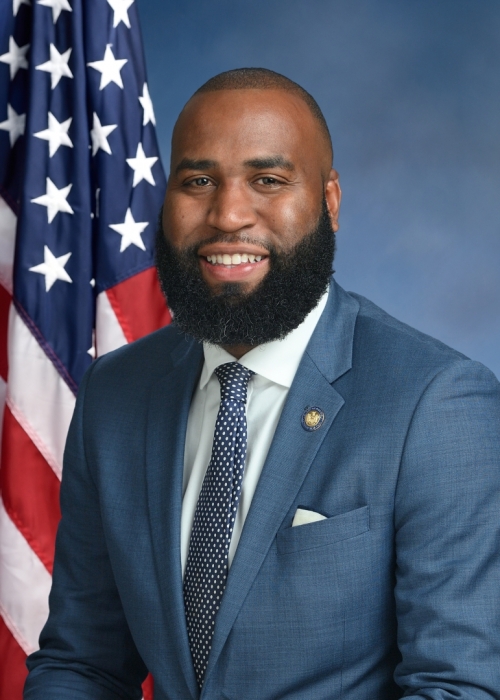
Bill Magnarelli
Bill Magnarelli House · District 129
D
Strong +
100% 27
George Alvarez
George Alvarez House · District 78
D
Strong +
100% 27
Brian Cunningham
Brian Cunningham House · District 43
D
Strong +
100% 25
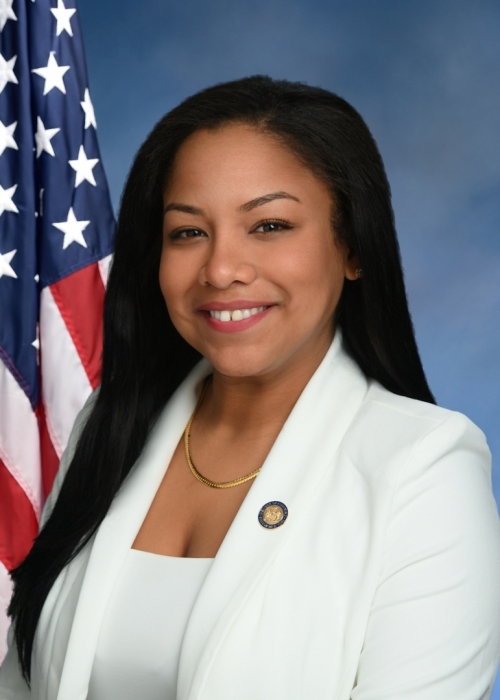
Amanda Septimo
Amanda Septimo House · District 84
D
Strong +
100% 24
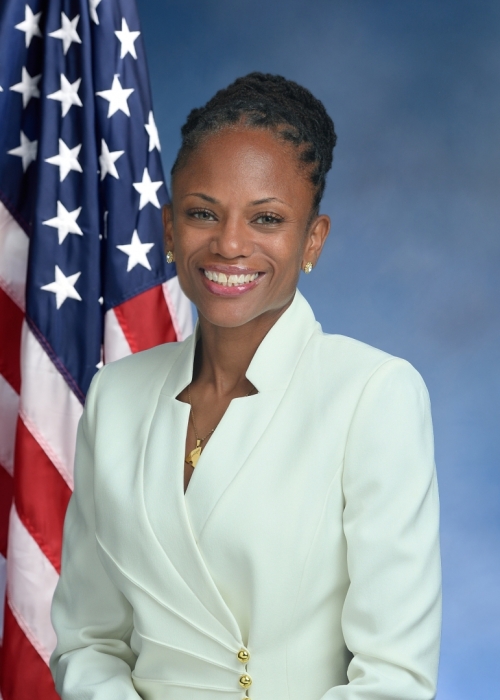
Monique Chandler-Waterman
Monique Chandler-Waterman House · District 58
D
Strong +
100% 24
Chris Tague
Chris Tague House · District 102
R
Strong −
4% 28
Dave DiPietro
Dave DiPietro House · District 147
R
Strong −
4% 28
Chris Friend
Chris Friend House · District 124
R
Strong −
4% 26
Ed Ra
Ed Ra House · District 19
R
Strong −
7% 28
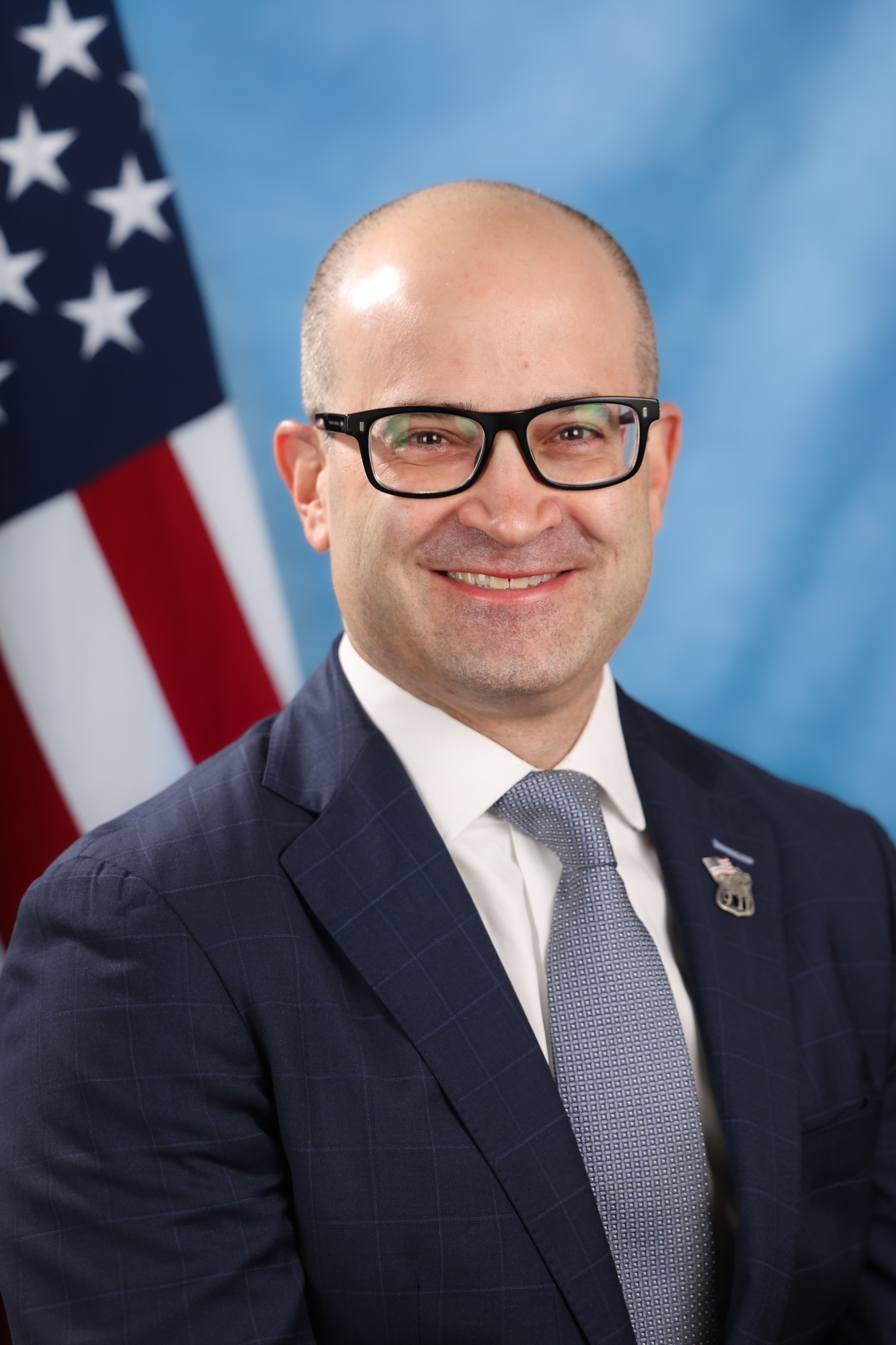
Jarett Gandolfo
Jarett Gandolfo House · District 7
R
Strong −
7% 28
Showing 1,851–1,860 of 2,153 bills

All criminal justice bills

in committee · New York · Assembly Jan 7, 2026

A 1478: Relates to criminalizing the act of stalking a police officer or peace officer

This bill adds new felony offenses to New York's penal law specifically for stalking police officers or peace officers and their immediate family members (spouses, children, parents, or household members). It creates three levels of stalking: third degree (intentional conduct causing fear of harm), second degree (multiple incidents or prior related convictions), and first degree (causing physical injury or escalating crimes). The law defines prohibited conduct as repeated, unwanted contact, following, or communication after being told to stop, with penalties ranging from class E to class D felonies. It directly affects law enforcement officers and their families by providing specific legal protections against targeted stalking behavior.
in committee · New York · Senate Jan 7, 2026

S 1216: Relates to crisis intervention training for police officers

S 1216 requires police departments in cities with populations of one million or more to implement crisis intervention training for all officers. The bill mandates that city councils develop written protocols - created with input from mental health and addiction officials - for responding to situations involving people experiencing mental illness or substance abuse. These protocols must include mandatory training for both new and veteran officers, along with recommendations for ongoing retraining programs. The law applies to large cities and takes effect 90 days after enactment.
in committee · New York · Assembly Jan 7, 2026

A 2654: Relates to the age of persons eligible for a sentence of life imprisonment without parole

Bill A 2654 clarifies that only individuals aged 18 or older at the time of the crime may receive a life imprisonment sentence without parole. It specifically applies to convictions for first-degree murder, certain terrorism offenses, or aggravated murder, requiring judges to impose life without parole for 18+ defendants in these cases. The bill also specifies that defendants aged 17 or younger at the time of the crime cannot receive life without parole and must instead be sentenced to an indefinite term with a maximum life sentence. This amendment updates existing sentencing rules to establish a clear age threshold for this severe penalty.
in committee · New York · Senate Jan 7, 2026

S 7872: Relates to comparing fingerprints of a defendant against the statewide database

Senate Bill S 7872 allows a court to order the Division of Criminal Justice Services to compare a defendant's fingerprints against statewide and national databases. This comparison can be ordered if the court determines the fingerprint meets federal or state requirements. The court must also find a reasonable probability that the comparison results, if available, would have led to a more favorable trial verdict or prevented a guilty plea. This bill provides a new mechanism for courts to potentially review fingerprint evidence in criminal cases, affecting defendants, courts, and law enforcement agencies.
Sub-Topics Courts
in committee · New York · Assembly Jan 7, 2026

A 7201: Relates to sentencing

This bill changes sentencing rules for youthful offenders (individuals under 18) who receive a "youthful offender finding" instead of a felony conviction. It requires courts to impose sentences based on the type of felony involved: for felonies in specific articles (e.g., violent or sex offenses), sentences follow class E felony guidelines, including mandatory post-release supervision. For other felonies, standard class E felony sentencing applies, but judges cannot issue conditional/unconditional discharges in certain cases. The law takes effect immediately for offenses committed on or after the effective date.
in committee · New York · Senate Jan 7, 2026

S 7017: Relates to the custody of defendants who are subject to electronic location monitoring

This bill clarifies that defendants under electronic location monitoring are not legally considered "confined" or "in custody" for specific legal purposes. It amends the criminal procedure law to explicitly state that such defendants are not deemed "held in custody" for section 180.80 or "committed to the sheriff's custody" under section 170.70. The change directly affects defendants subject to electronic monitoring, altering how their status is defined in legal proceedings. This is a technical adjustment to existing law, ensuring electronic monitoring does not trigger certain custody-related legal requirements.
Sub-Topics Law Enforcement
in committee · New York · Senate Jan 7, 2026

S 251: Requires the parole board to grant parole to incarcerated individuals who successfully participate in a temporary release program without interruption immediately prior to appearance before the board

Requires the parole board to grant parole to incarcerated individuals who successfully participate in a temporary release program for two years without interruption immediately prior to appearance before the board.
Sub-Topics Probation & Parole
in committee · New York · Senate Jan 7, 2026

S 7174: Adjusts the compensation of formerly incarcerated individuals who were unjustly convicted

Retroactively adjusts the compensation of formerly incarcerated individuals who were unjustly convicted; exempts such adjusted income from state income taxes.
Sub-Topics Victims' Rights
in committee · New York · Assembly Jan 7, 2026

A 336: Requires the use of body-worn cameras on certain correction officers

This bill requires correction officers supervising general population in maximum-security facilities to wear body-worn cameras recording both audio and video during all interactions with incarcerated individuals. It mandates that all cameras be installed within six months of the law's effective date, with recordings retained for at least six months and subject to privacy protections. The law also requires the department to issue an annual report evaluating the cameras' impact on safety metrics like assaults, injuries, and deaths. The policy directly affects correction officers, incarcerated individuals, and department staff in designated facilities.
Sub-Topics Corrections Policing
in committee · New York · Assembly Jan 7, 2026

A 738: Relates to women's health in correctional facilities

Relates to women's health in correctional facilities; establishes a women's health education program; requires HIV and STD testing to be offered to incarcerated individuals; provides pregnant incarcerated individuals with access to prenatal vitamins as well as a specialized diet tailored to pregnancy needs; requires a study and report on women's health in prison.
Showing 1,851 to 1,860 of 2,153 bills