

Maddy summaryNew Jersey's Assembly Resolution AR 127 is a symbolic statement condemning Arizona's Supreme Court ruling in *Planned Parenthood v. Mayes*, which enforced an outdated 1864 abortion ban. The resolution does not change laws but formally opposes Arizona's decision to uphold a near-total abortion ban without exceptions for rape or incest. It reaffirms New Jersey's existing commitment to protecting residents' access to reproductive health care services, as established by state law. This resolution has no legal effect on Arizona or New Jersey policy but expresses legislative disapproval of the Arizona court's action.
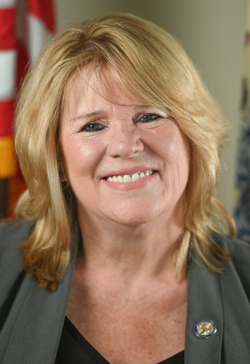
Asm. Carol Murphy
Sponsored bills
Maddy summaryThis bill requires the New Jersey Department of Health (DOH) to conduct a survey of all antenatal and prenatal care clinics across the state, including those that have closed or significantly reduced services within the past two years. The survey will collect data on clinic availability, demographic and socioeconomic details of patients (especially low and moderate income pregnant women), and disparities in care access, while protecting personal health information. The DOH must analyze the data to identify trends and develop strategies to improve maternity care quality and access, then publish findings on its website and submit a legislative report within 18 months. This policy change directly affects clinics, the DOH, and future health care planning for pregnant individuals in New Jersey.
Maddy summaryThis bill amends New Jersey's Law Against Discrimination to explicitly protect individuals from discrimination based on membership in a labor organization. It expands the definition of "labor organization" to include any group formed for collective bargaining or mutual aid among employees, and adds membership in such organizations to the list of protected characteristics. This means employers, labor organizations, and others cannot discriminate against employees or job applicants based on their membership in a labor union or employee representation committee. The law already protects people from discrimination based on characteristics like race, gender, and disability; this bill extends that protection to include labor organization membership.
Maddy summaryThis bill establishes New Jersey's Office of Clean Energy Equity within the Board of Public Utilities to ensure clean energy programs specifically benefit overburdened communities. It requires the board to implement solar programs reaching 250,000 low-income households (or 35% of all low-income households, whichever is larger) by 2030, aiming to reduce their energy costs to below 6% of household income. The bill also mandates 1,600 megawatt-hours of energy storage in overburdened communities by 2030, prioritizing community resilience hubs and job training. At least $50 million annually must be allocated to this office, with funding supplementing existing low-income energy programs and requiring public reporting on progress.
Maddy summaryThis bill would expand privileges for craft alcoholic beverage manufacturers (including those with limited brewery, cidery, meadery, and craft distillery licenses) by allowing them to hold up to 25 off-premises special events annually, unlimited on-premises special events and private parties, and serve alcohol tableside with certified staff. It removes the current requirement that these manufacturers must offer tours to serve alcohol on-premises, and increases the annual production limit for restricted brewery licenses from 10,000 to 300,000 barrels. The bill also permits these manufacturers to offer limited food items, coordinate with food vendors (with restrictions), and show televised events without special permits. Additionally, it allows for outdoor consumption with approved tap systems and provides flexibility for promotional discounts.
Maddy summaryThis bill increases the New Jersey Earned Income Tax Credit (NJ EITC) by gradually raising the state match rate from 40% to 45% over five years, resulting in larger tax refunds for eligible low-income residents. It expands eligibility to include taxpayers with Individual Taxpayer Identification Numbers (ITINs) who qualify for the federal credit but lack Social Security numbers, and exempts married victims of domestic abuse from the joint filing requirement if they meet specific criteria (living apart from their spouse, experiencing abuse within three years, and filing separately). These changes directly affect New Jersey workers and families earning low wages, particularly those previously ineligible due to documentation barriers or domestic violence circumstances. The bill ensures more residents can access this refundable tax credit without requiring joint federal filing in cases of abuse.
Maddy summaryNew Jersey Assembly Bill A3726 establishes the State Commission on Minority Affairs within the Department of State. The commission, composed of government officials and 16 public members (appointed with diversity and geographic considerations), will study and address issues affecting minority communities. Its key duties include researching minority employment, business opportunities, affordable housing, and access to services; collecting and sharing data on available programs; advising the Governor; and recommending legislation. The commission must submit an annual report to the Governor and Legislature by December 31 each year.
Maddy summaryThis bill (A4060) establishes the New Jersey Forensic Science Planning Commission, a 23-member body to study and recommend creating a permanent Forensic Science Commission. The commission includes representatives from crime labs, law enforcement, defense, academia, wrongful conviction advocacy, and forensic professionals, with a mandate to analyze forensic science needs across the state. It must produce recommendations within 22 months covering the permanent commission's structure, funding, oversight responsibilities, and operational details. The Planning Commission will expire after submitting its final report to the Governor and Legislature, which will then consider establishing the permanent oversight body.
Maddy summaryThis bill creates a voluntary online resume bank for New Jersey residents with disabilities who wish to be appointed to state boards, commissions, authorities, or similar entities (like special committees or task forces). The Governor must establish a webpage listing available appointments and allow individuals to submit their resumes, including personal contact details, disability-related information, and preferred state entities. The resume bank will be accessible to the executive branch and Legislature to help identify qualified candidates for these roles. It does not mandate appointments but aims to streamline the application process for state positions.
Maddy summaryThis bill expands the scope of practice for optometrists in New Jersey by allowing them to prescribe more pharmaceutical agents (including some controlled substances), administer certain immunizations (for coronaviruses, influenza, and varicella-zoster virus), and perform simple ophthalmologic procedures like non-invasive laser treatments. It clarifies that optometrists must complete specific training and credentialing to provide these expanded services, including evidence of competence through accredited education programs. The bill directly affects licensed optometrists in New Jersey and their patients, who will have access to a broader range of eye care services from optometrists. The legislation updates the legal definition of optometry practice to better align with optometrists' doctoral education and clinical training.