

Maddy summaryThis bill requires New Jersey school boards, municipalities, counties, and similar local government units to actively identify and implement cost-saving methods when purchasing goods and services. It mandates that these entities evaluate their procurement processes to find savings, without changing existing rules about when bids are required. The law specifically excludes real estate purchases, specialized "extraordinary services," and professional services (like legal or medical work) from this requirement. The bill is currently in its early stages, having been introduced and referred to committee in January 2026.
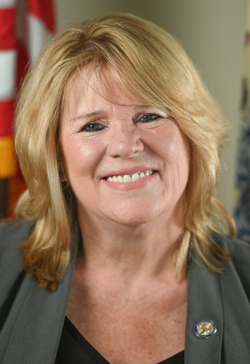
Asm. Carol Murphy
Sponsored bills
Maddy summaryThis bill codifies New Jersey's "Bringing Veterans Home Initiative" into law, directly affecting unhoused or homeless veterans statewide. It requires the Commissioner of Community Affairs and the Department of Military and Veterans Affairs to establish six regional housing hubs, create a standardized online referral form, use state data to target veteran homelessness needs, and connect veterans to existing housing benefits. The law mandates publishing the referral form online and classifying veterans for tailored assistance, building on a 2024 pilot program launched by the governor. The initiative aims to provide safe, stable housing for every homeless veteran in the state, with rules to be finalized by the agencies.
Maddy summaryThis bill transfers most facilities and programs from the University of Medicine and Dentistry of New Jersey (UMDNJ) to Rutgers, The State University, while requiring specific locations to remain in Newark and Middlesex County. It mandates that Rutgers maintain the public mission of UMDNJ, including existing contracts with the Department of Corrections (DOC) and Department of Children and Families (DCF) for services like University Behavioral Healthcare. After current contracts expire, DOC and DCF may award new medical/dental service contracts to vendors offering the most advantageous proposals to the state. The transfer requires accreditation approval but does not change current service delivery or public employee staffing.
Maddy summaryThis bill establishes a 36-month pilot program allowing New Jersey's NJ FamilyCare health insurance program to reimburse non-hospital-based partial hospitalization services for children aged 5-14 with mental health needs. It directly affects low-income children requiring intensive outpatient mental health care and providers who can apply to participate. The key provision changes current reimbursement rules - previously requiring services to occur in a hospital - to permit care at non-hospital locations, while maintaining all other federal and state eligibility requirements. The program requires the Department of Human Services to select one provider, monitor outcomes, and report findings to the Governor and Legislature within 36 months of selection.
Maddy summaryThis bill requires New Jersey public school boards to directly employ certified professionals for most instructional and support roles, such as teachers and instructional staff, rather than contracting for these services. Boards may apply for Commissioner-approved exemptions to contract for specific personnel, including substitute teachers, staff for alternative education programs, and special education services, to address program needs. The bill also permits contracting for roles like those providing financial literacy instruction, individualized learning opportunities, or dual-enrollment courses without direct employment. These provisions aim to ensure certified staff directly serve students while allowing flexibility for essential program support.
Maddy summaryThis bill would create a permanent unit within New Jersey's Office of Emergency Management to specifically support residents with access and functional needs during disasters. It directly affects people with disabilities, older adults, those with limited English proficiency, transportation barriers, or financial constraints - covering roughly a quarter of New Jersey's adult population based on CDC data. The unit's core duties include assessing needs before/during/after emergencies, tracking resource availability, ensuring access to assistance, and coordinating with local emergency offices across all three regions. The unit would consist of one full-time supervisor and three full-time planners to implement these responsibilities.
Maddy summaryThis bill establishes the New Jersey Out-of-School Time Advisory Commission to review before-school, after-school, and summer programs statewide. The 22-member commission - including state agency heads, legislative appointees, and representatives from child care organizations, schools, and advocacy groups - will assess current programs, develop statewide standards, examine funding sources, and evaluate program quality across urban, suburban, and rural districts. It must issue an interim report within one year and a final report within two years of forming, including recommendations for improving accountability and quality. The commission expires 30 days after submitting its final report, with no immediate funding or program changes enacted by this bill.
Maddy summaryMichelle's Law requires all health insurance plans in New Jersey to cover mammograms when a healthcare provider recommends them. It mandates baseline mammograms for women at age 40, annual mammograms for women 40 and older, and coverage for women under 40 with breast cancer risk factors (like family history) based on provider recommendation. The law also requires coverage for additional tests like ultrasounds or MRIs if needed due to dense breast tissue, abnormal results, or other risk factors. This applies to all health insurance contracts, including those allowing premium changes, without limiting coverage for other medical conditions.
Maddy summaryThis bill requires New Jersey to appoint a State Dementia Services Coordinator within the Department of Human Services. The coordinator will develop a master plan to address dementia care, coordinate existing state services (like the Alzheimer's Advisory Commission), prevent service duplication, identify gaps in care, and improve access to quality treatment for people with dementia. State agencies must cooperate with the coordinator by providing data and assistance upon request. The bill appropriates $150,000 from the General Fund to fund this position and its operations.
Maddy summaryThis bill upgrades penalties for cyber-harassment targeting public servants or their family members, making it a third-degree crime (up from fourth degree under current law). It establishes the Office of Cyber-Harassment Support within the Department of Law and Public Safety to provide victim assistance, develop educational programs, and coordinate with law enforcement and social media platforms. The office will create accessible reporting systems, offer counseling, promote cyber ethics in schools, and train law enforcement on investigating cyber-harassment cases. The bill appropriates state funds to implement these provisions, directly affecting public servants, their families, and victims of online harassment.