

Maddy summaryThis bill dedicates a portion of wine sales tax revenue to the "Jersey Fresh Program Fund." Specifically, it requires the State Treasurer to deposit $0.21875 per gallon from wine, vermouth, and sparkling wine sales by licensed wineries into the fund, equaling 25% of that tax. The money will fund the Jersey Fresh branding program, which promotes locally grown New Jersey agricultural products like fruits, vegetables, seafood, and processed foods through advertising and marketing. This expands the fund's current sources, which previously relied on voluntary contributions via income tax returns.
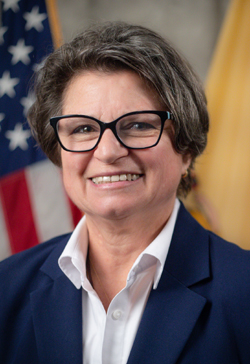
Asm. Luanne Peterpaul
Sponsored bills
Maddy summaryThis bill establishes a program to promote New Jersey-made craft alcoholic beverages and the retailers that sell them. It creates a "Certified Jersey Craft Alcohol Beverage Retailer" designation for stores selling at least 10% of their alcohol revenue from NJ craft producers (like breweries, cideries, or distilleries), and provides grants of up to $2,500 annually to these retailers for marketing, equipment, or facility improvements. The program is funded by 50% of tax revenue from craft beverage sales, plus potential state funds, administered by the Economic Development Authority. It directly affects NJ craft beverage producers and qualifying retail license holders who meet the sales threshold.
Maddy summaryThis bill allows licensed breweries, wineries, and distilleries in New Jersey to sell "Jersey Fresh" alcoholic beverages, which are defined as alcoholic beverages licensed by the New Jersey Department of Agriculture under the Jersey Fresh program. Specifically, holders of limited brewery, farm brewery, plenary winery, farm winery, cidery and meadery, and craft distillery licenses can now sell these products at retail for on-premises or off-premises consumption and offer samples. The Jersey Fresh program, established in 1984 to promote New Jersey-grown produce, now extends to alcoholic beverages made from New Jersey farm products. This change does not alter existing licensing requirements but adds a new sales authorization for qualifying license holders. The bill aims to increase consumer awareness about locally produced alcoholic beverages and support New Jersey's agricultural industry.
Maddy summaryThis bill allows small New Jersey employers with fewer than 20 employees to claim a tax credit for paying health insurance premiums for their workers. Employers who cover 100% of premiums for single coverage get a $250 credit per employee, and $500 for family coverage; partial coverage (50-100%) earns a proportional credit. The credit is reduced if premiums aren’t paid for the full year, and no credit is available if less than 50% of premiums are paid. It applies to both corporation business tax and gross income tax, capping the credit at the actual amount paid and limiting total credit use to 50% of tax liability.
Maddy summaryThis bill requires hospitals, birthing centers, and healthcare providers in New Jersey to screen pregnant individuals and those who have given birth within six weeks for preeclampsia when symptoms are present. Providers must use screening tools based on industry best practices, provide information on preeclampsia symptoms, and obtain written consent or refusal using a standardized form. The Commissioner of Health must develop an educational program about preeclampsia and its warning signs, and providers must create a treatment plan if a screening result is positive. The bill directly affects pregnant people and postpartum individuals in New Jersey who show symptoms of preeclampsia.
Maddy summaryThis bill requires members of New Jersey's Board of Public Utilities (BPU) to meet specific experience and training standards. At least two members must have three years of professional experience in energy policy, infrastructure, or utility regulation, while at least one must have three years in consumer advocacy or ratepayer representation. All members must complete 12 hours of annual training on topics like energy market trends, grid modernization, and renewable energy policies from accredited sources. The bill also mandates that appointments consider geographic diversity across urban, suburban, and rural areas.
Maddy summaryThis bill requires all New Jersey hospitals with inpatient maternity services and licensed birthing centers to provide lactation counseling to people who have given birth before their discharge. Specifically, facilities must offer either an in-person one-on-one consultation with a certified lactation specialist or a remote consultation via live voice if requested. The counseling must include breastfeeding education, support, care planning, instruction on breastfeeding techniques, recommendations for assistive devices, and health benefit information. The bill ensures lactation specialists cannot be reassigned to non-lactation duties during their shifts and defines "lactation consultant" and "lactation counselor" by specific certification standards.
Maddy summaryThis bill requires owners and operators of rooming and boarding houses to follow local zoning, fire, health, and building regulations - previously exempt from such oversight. It specifically adds a requirement for cooperative sober living residences to submit written approvals from local authorities (zoning, fire, health, and building) when applying for a state Class F license. The bill amends existing law to explicitly subject these facilities to municipal land use regulations, removing an exemption that previously prevented such oversight. These changes directly affect property owners and operators of these housing types in New Jersey.
Maddy summaryAJR 62 designates the first week of May each year as "Children's Mental Health Awareness Week" in New Jersey. The resolution requests the Governor issue an annual proclamation encouraging public officials and residents to observe the week with activities promoting awareness of children's mental health. It aims to reduce stigma and improve access to treatment for children with mental health disorders, as highlighted in the bill's rationale about their vulnerability to school suspensions, substance use, and justice system involvement. The resolution does not create new laws or funding but serves as a symbolic annual observance.
Maddy summaryNew Jersey bill A4753 requires hospitals and birthing facilities to show new parents (and any adult family members present at birth) a water safety video before discharge. The video covers drowning risks in bathtubs and pools, importance of swimming instruction, life jacket use, and pool safety features like fences. Facilities must incorporate this video into standard discharge procedures, with the Department of Health creating and distributing the video via its website or electronic means. This applies to all licensed birthing facilities providing newborn care in the state.