

Maddy summarySB 70 would create a mobile driver's license and non-driver identification card system, allowing residents to use smartphone apps instead of physical cards. It directly affects individuals who require identification for age verification, travel, or official purposes, offering a digital alternative to traditional licenses. The bill proposes establishing state-approved mobile ID platforms that would meet security and privacy standards. However, the bill is currently stalled under "Inexpedient to Legislate" status (Senate Rule 3-23, effective October 31, 2025), meaning it has not advanced to become law.
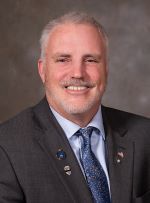
Sen. Howard Pearl
Sponsored bills
Maddy summarySB 64 allocates state funding to the New Hampshire Department of Justice specifically for New Hampshire child advocacy centers. These centers provide critical support services to child abuse victims and their families across the state. The bill creates a dedicated funding stream within the Department of Justice budget to sustain these centers' operations. The bill passed committee unanimously (6-0) but was later deemed "Inexpedient to Legislate" by the Senate on October 31, 2025, halting further progress.
Maddy summarySB 246 requires New Hampshire Medicaid and private health insurers to cover maternal depression screenings at well-child visits and during prenatal/postpartum care for new mothers. It mandates coverage for screenings at specific intervals (1, 2, 4, and 6 months postpartum) and includes referrals to mental health resources. The bill allocates $275,000 to establish a perinatal psychiatric provider consult line and $75,000 for rural maternal health EMS services. These changes directly affect new mothers and infants in New Hampshire by expanding access to mental health support during the perinatal period.
Maddy summarySB 132 requires New Hampshire health insurance companies to cover prosthetic devices for residents under 19 and over 19. For children, coverage includes activity-specific devices annually (with no annual limits for medically necessary devices), while adults get one activity-specific device every five years. The bill mandates coverage for all necessary materials, user instruction, and medically necessary repairs or replacements. It excludes Small Business Health Options Program (SHOP) plans and takes effect January 1, 2026.
Maddy summarySB 115 appropriates $28.87 million to fund Phase 2 of the Southern New Hampshire Regional Water Project. This funding will build regional drinking water infrastructure - like pumps, storage tanks, and pipelines - to increase water supply by over 2 million gallons daily for multiple towns affected by PFAS contamination and rising demand. The funds are nonlapsing (won't expire) and ensure no current utility ratepayer faces increased costs from new services funded by this appropriation. The bill directly affects communities in Southern New Hampshire struggling with water quality and supply challenges.
Maddy summarySB 168 regulates online gambling by requiring licensees to pay 45% of their gross gaming revenue. This revenue is split as follows: 35% to charitable organizations, and 65% distributed to three funds - 25% to an education special fund, 25% to reimburse municipalities for tax exemptions (for elderly, disabled, blind, and deaf residents), and 50% to the general fund. The bill directly affects online gambling operators, charities, municipalities, and state education and general funds. It establishes a clear revenue-sharing mechanism without altering gambling rules or creating new taxes.
Maddy summarySB 155, titled "relative to highway toll credits," proposes changes to toll credit programs for highway users. The bill's specific provisions and who it directly affects (e.g., drivers, toll-paying commuters) are not detailed in the provided context. As a procedural bill focused on toll credits, it has been referred to multiple committees and is currently under interim study. No concrete policy changes or mechanisms are described in the available information.
Maddy summarySB 39 would create an alternative program for driver education, offering a new pathway for new drivers to meet licensing requirements beyond traditional classroom instruction. It directly affects teenagers and young adults seeking their first driver's license, who typically complete mandatory driver education courses. The bill establishes specific criteria for this alternative program, including curriculum standards and instructor qualifications, to ensure it meets safety and training goals. This policy change would provide an additional option for schools or organizations to deliver driver education, potentially increasing accessibility for students. The bill is currently in committee review with a scheduled hearing.