Issue · Healthcare

Healthcare

Every healthcare bill, vote, and legislator stance in New Hampshire, automatically classified by Maddy, our AI policy reader.

Total bills
166
2026 Regular Session
Top supporter
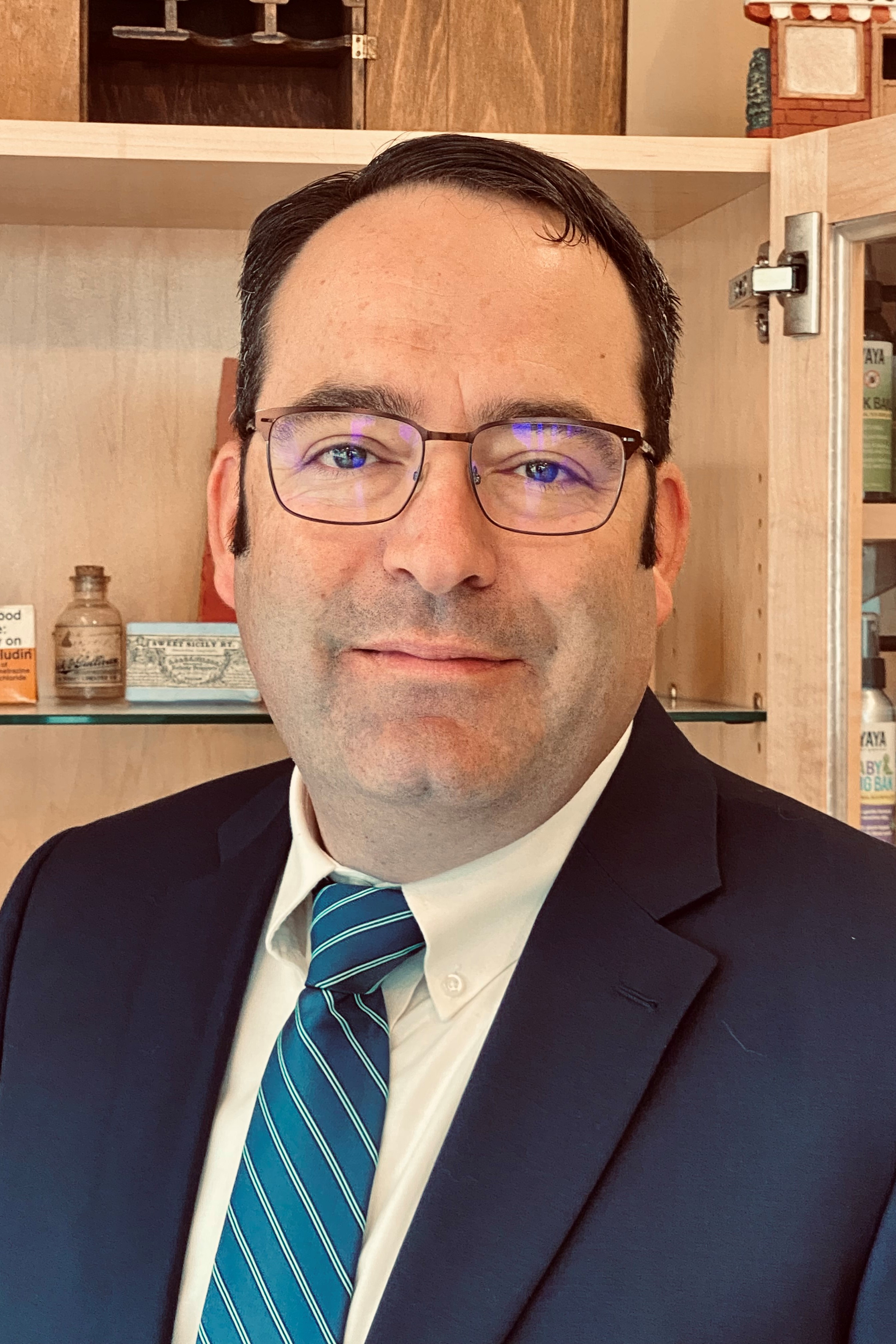
Dan Innis
82% support rate
Top opponent
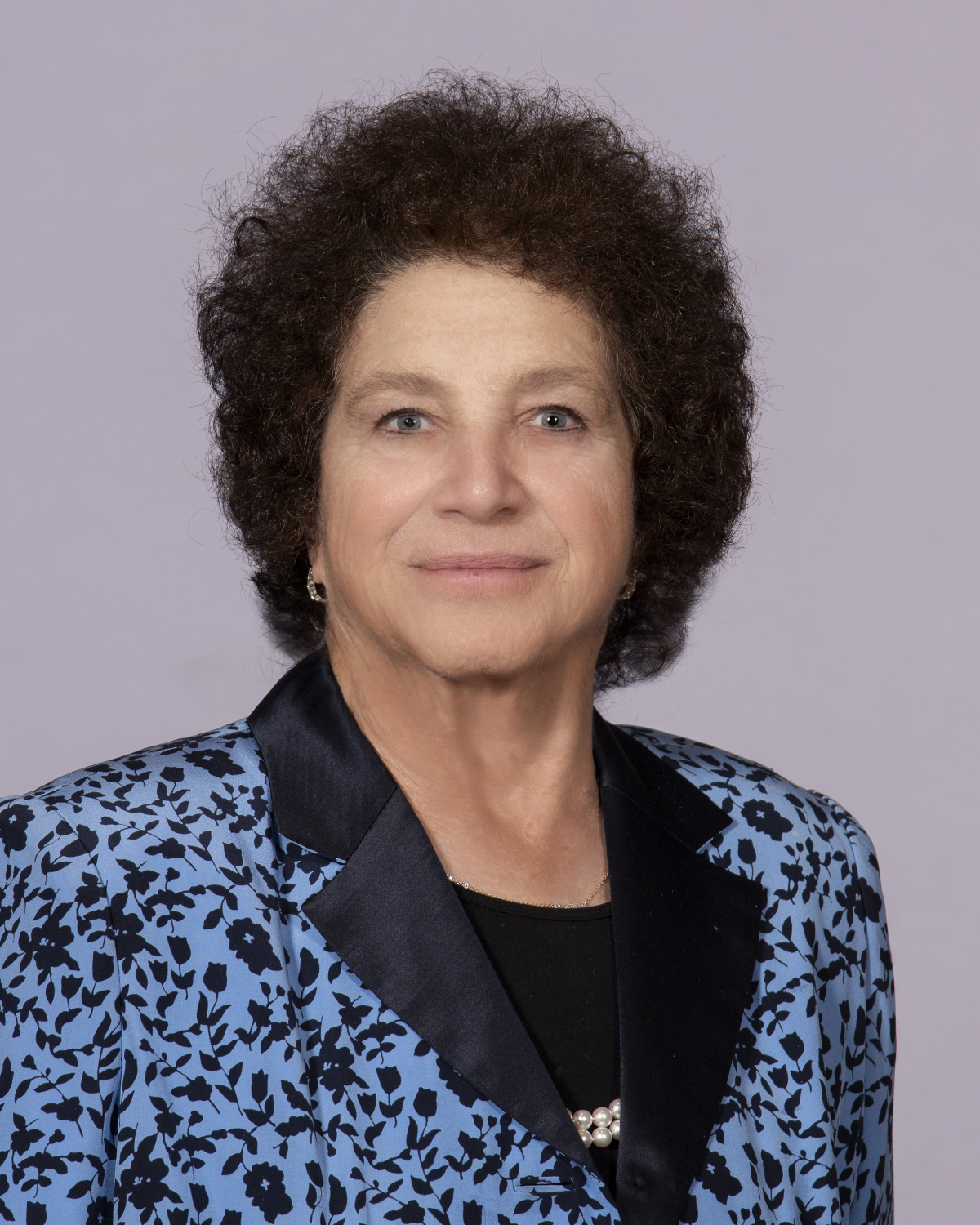
Cindy Rosenwald
27% support rate
Ranked legislators
10
5 support · 5 oppose
Key legislators

Who's moving healthcare in New Hampshire

Legislators moving healthcare in New Hampshire
Legislator Party Stance Support rate Decisive votes
Dan Innis
Dan Innis Senate · District 7
R
Strong +
82% 11
David Rochefort
David Rochefort Senate · District 1
R
Strong +
82% 11
Howard Pearl
Howard Pearl Senate · District 17
R
Strong +
82% 11
James Gray
James Gray Senate · District 6
R
Strong +
82% 11
Tim Lang
Tim Lang Senate · District 2
R
Strong +
82% 11
Cindy Rosenwald
Cindy Rosenwald Senate · District 13
D
Oppose
27% 11
David Watters
David Watters Senate · District 4
D
Oppose
27% 11
Debra Altschiller
Debra Altschiller Senate · District 24
D
Oppose
27% 11
Donovan Fenton
Donovan Fenton Senate · District 10
D
Oppose
27% 11
Pat Long
Pat Long Senate · District 20
D
Oppose
27% 11
Showing 111–120 of 166 bills

All healthcare bills

failed · New Hampshire · House Mar 11, 2026

HB 1773: relative to food and drink purchased under SNAP, the Supplemental Nutritional Assistance Program.

HB 1773 would direct New Hampshire to seek federal approval to prohibit SNAP (food stamp) benefits from purchasing sweetened drinks (with 5g+ added sugar) and candy. The bill requires the state health department to submit a waiver to the USDA by January 2027, defining prohibited items like soda and candy bars while excluding milk, juice blends, and certain non-refrigerated sweets. It mandates implementation plans for retailers and annual reports on purchasing patterns and health outcomes. This would directly affect SNAP recipients in New Hampshire who currently use benefits for these restricted items.
in committee · New Hampshire · House Mar 5, 2026

HB 1052: relative to qualifications for licensure as a LADC, or licensed alcohol and drug counselor.

HB 1052 amends New Hampshire's licensing requirements for Licensed Alcohol and Drug Counselors (LADCs) by adding a new pathway to licensure. It allows individuals with an internationally certified alcohol and drug counselor credential and 6,000 hours of supervised work experience to qualify for LADC licensure without needing an associate's or bachelor's degree in a related field. This change specifically removes the higher education requirement for applicants using this pathway, as outlined in the bill's amendment to RSA 330-C:17. The bill takes effect 60 days after passage and directly affects professionals with international certification and substantial work experience who lack the standard educational qualifications.
Sub-Topics Medical Licensing
failed · New Hampshire · House Mar 13, 2026

HCR 12: calling upon the federal delegation from New Hampshire to support Medicare for All, a universal health insurance program that guarantees all people the health care they need.

HCR 12 is a New Hampshire legislative resolution urging the state's federal congressional delegation to support Medicare for All. It requests federal lawmakers pursue legislation establishing universal health coverage through Medicare, including comprehensive benefits like dental, vision, and prescription drugs without deductibles, and transitioning current Medicaid recipients into the program. The resolution outlines six key provisions for such a system, emphasizing preventive care, provider choice, cost controls, and quality oversight. As a non-binding resolution, it does not change federal law but expresses the legislature's position on health care policy.
failed · New Hampshire · House Feb 5, 2026

HB 1333: relative to nonconsensual provision of medication intended to terminate a pregnancy and the homicide of a fetus.

This bill creates a first-degree murder charge for anyone who administers medication intended to terminate a pregnancy without the pregnant woman's knowledge or consent. It also changes when a fetus can be considered a homicide victim, removing the previous 20-week gestation limit and instead defining a "fetus" from conception (or implantation for IVF) until birth. These changes mean that nonconsensual administration of pregnancy-termination medication could now be prosecuted as murder, and killing a fetus at any stage would be treated as homicide under the new definition. The law takes effect January 1, 2027.
Sub-Topics Violent Crime
failed · New Hampshire · House May 8, 2026

HB 1335: requiring health care providers to disclose to patients indirect financial incentives received by the provider.

HB 1335 requires physicians to disclose to patients any financial incentives exceeding $5,000 received from a single source (like drug manufacturers) for preferential promotions related to specific treatments. It directly affects patients receiving care from providers who receive such payments, ensuring they learn about potential conflicts before prescriptions. The law mandates written disclosure as part of informed consent, including the source, amount, and a statement that the recommendation is based on clinical judgment. This applies only to incentives tied to the treatment being prescribed, not general practice income. The bill takes effect January 1, 2027.
in committee · New Hampshire · House Feb 11, 2026

HB 1232: relative to insurance coverage for telemedicine services.

HB 1232 requires New Hampshire health insurers to reimburse telemedicine services at the same rate as in-person services when the telemedicine code is substantially equivalent to an in-person code. Insurers that fail to comply face administrative fines of up to $2,500 per violation, and repeated violations (three or more in five years) could trigger license suspension. Affected individuals may also sue for court costs and attorney fees if an insurer violates the law repeatedly. The bill applies to all health insurers offering plans in New Hampshire and takes effect January 1, 2027.
Sub-Topics Insurance Telehealth
died · New Hampshire · House Aug 20, 2026

HB 1572: relative to licensure as a master licensed alcohol and drug counselor.

HB 1572 modifies licensing requirements for three professions in New Hampshire: master licensed alcohol and drug counselors, recreational therapists, and speech-language assistants. It adds a new education path requiring 60 hours of graduate coursework (in fields like clinical psychology or social work) plus five years of existing New Hampshire licensure for alcohol/drug counselors. For recreational therapists, it specifies that a baccalaureate degree must include "therapeutic recreation" as a major. Speech-language assistants can now qualify with an accredited associate's degree program equivalent to a speech-language pathology program. These changes directly affect individuals seeking or renewing licenses in these occupations.
Sub-Topics Medical Licensing
failed · New Hampshire · Senate Apr 23, 2026

SB 545: relative to financial eligibility for the Medicare savings program.

SB 545 removes the asset limit (resource test) for New Hampshire's Medicare Savings Program, allowing seniors previously denied due to savings or assets to qualify. It also seeks federal approval to extend the low-income Medicare Part D subsidy, helping residents cover prescription drug costs. The bill directly affects approximately 2,033 additional seniors who were previously ineligible under the asset rule. This change would make program eligibility solely based on income, not savings or assets, with estimated annual state costs of $2.3 million from general funds.
Sub-Topics Medicare Prescription Drugs Tags Seniors
signed · New Hampshire · Senate Jul 9, 2026

SB 453: authorizing advanced practice registered nurses and physician associates to make certain certifications.

SB 453 allows advanced practice registered nurses and physician associates to certify two specific medical needs currently only permitted for physicians. It extends vehicle equipment waivers for people with disabilities from 2 to 4 years when such nurses or associates certify "lasting medical necessity." It also permits these professionals to exempt children from certain immunizations if they certify that a specific vaccine could harm the child’s health. These changes update existing laws (RSA 266:61-a and RSA 141-C:20-c) to expand who can make these certifications, directly affecting disabled drivers seeking vehicle modifications and parents navigating school immunization requirements.
failed · New Hampshire · House Mar 11, 2026

HB 1174: requiring all on-premises and off-premises licensees and state liquor stores to post visible signage warning of the potential health risks associated with alcohol use.

HB 1174 requires all bars, restaurants, liquor stores, and state liquor outlets to display a visible sign stating: "According to the Surgeon General, drinking alcoholic beverages may increase cancer risk and women should not drink alcoholic beverages during pregnancy because of the risk of birth defects." The sign must be placed prominently in a contrasting color on the premises. This applies to both on-premises (e.g., bars) and off-premises (e.g., grocery store liquor counters) licensees, as well as state liquor stores. The law takes effect 60 days after passage and has a minimal fiscal impact under $10,000 annually.
Showing 111 to 120 of 166 bills
Previous 1 11 12 13 17 Next