

Maddy summaryHR 5947 terminates specific U.S. waivers and licenses related to Iran, ending a 2023 waiver that allowed funds transfer from South Korea to Qatar. It prohibits the Treasury Department from reissuing similar waivers or licenses for the same purpose and blocks the President from granting Iran access to certain designated financial accounts established under prior laws. The bill directly affects U.S. foreign policy implementation by restricting how Treasury handles Iran-related financial transactions. It enacts concrete policy changes by ending existing authorizations and preventing future approvals for Iran to access specific accounts.
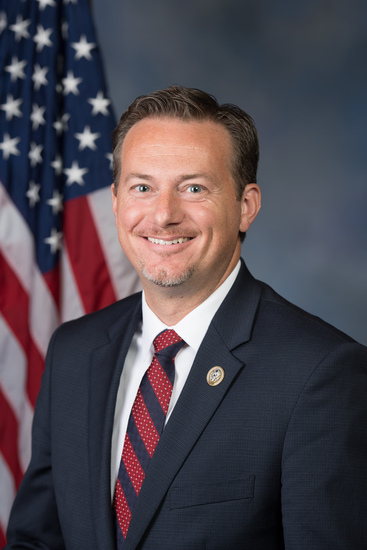
Rep. Michael Cloud
Sponsored bills
Maddy summaryThis bill prohibits U.S. federal funds from being provided to international financial institutions (like the World Bank) if those funds could finance foreign shrimp farming, processing, or shrimp exports. It directly affects international financial institutions receiving U.S. funding, requiring them to avoid supporting foreign shrimp operations. The bill also mandates an annual report from the Government Accountability Office (GAO) to Congress on whether U.S. representatives at these institutions are following this restriction. The key mechanism is conditioning U.S. financial support on the institutions' adherence to this prohibition.
Maddy summaryH.J.Res. 116 seeks to block a Department of Labor rule finalized on January 10, 2024, which aimed to clarify how businesses classify workers as employees or independent contractors under the Fair Labor Standards Act (FLSA). If passed, this resolution would prevent the rule from taking effect, directly affecting businesses that use independent contractors and their workers, who rely on FLSA protections for minimum wage and overtime pay. The bill uses a specific congressional process (under Chapter 8 of Title 5, U.S. Code) to disapprove the rule, rather than creating new policy. This action would maintain the existing classification standards until a new rule is established.
Maddy summaryThis bill requires federal agencies to publicly post proposed settlement agreements and consent decrees 60 days before court submission, including explanations of their legal basis and terms (like attorney fees). It affects agencies, companies, and governments involved in regulatory disputes by mandating transparency in settlements that change agency rules or commit unappropriated funds. Key mechanisms include online publication, 60-day public comment periods, mandatory agency responses to feedback, and court review of terms that limit agency discretion or budget authority. Agencies must also submit annual reports to Congress detailing all such settlements and related attorney fee awards. The law applies to cases filed or agreements proposed after its enactment.
Maddy summaryHR 7801, the Sultana Steamboat Disaster Commemorative Coin Act of 2024, authorizes the U.S. Mint to produce commemorative coins honoring the 1865 Sultana steamboat disaster - the worst maritime disaster in U.S. history, which killed nearly 1,200 people. The bill specifies three coin types ($5 gold, $1 silver, and half-dollar clad) to be minted between January 1, 2027, and December 31, 2027, with surcharges from sales directed to the Sultana Historical Preservation Society for museum development and artifact preservation. The coins will be sold at face value plus surcharges ($5-$35 per coin), and the funds must support constructing a museum, exhibits, and preserving disaster-related history. This bill does not create new laws but enables commemorative coin sales to fund a specific historical preservation effort.
Maddy summaryThis bill requires federal agencies to publicly report annually on how they use "official time" - when government employees spend work hours on union activities. Agencies must detail the cost, purpose, and employee-specific usage (including position, pay, and hours spent) for each employee granted official time under existing law. The report also covers agency property used by unions at no cost or discounted rates, the monetary value of such use, and any reimbursements collected. These reports must be submitted to Congress and posted online by June 30 each year, starting after the bill's enactment. The bill directly affects federal agencies and their labor organizations by increasing transparency around taxpayer-funded union activities.
Maddy summaryThis bill requires the General Services Administration to review and improve the federal subaward reporting system within 180 days, focusing on accuracy, consistency, and public access. It mandates a standardized reporting plan within one year to reduce administrative burden on recipients while expanding data collection to include second-tier subawards (beyond the first tier currently reported). Federal agencies must implement these changes by year two, with annual progress reports to Congress. The law directly affects federal agencies managing grants and their recipients, aiming to make subaward data more complete, transparent, and easier to access for the public.
Let Injured Americans Be Legally Empowered Act or the LIABLE Act This bill prohibits COVID-19 vaccine manufacturers from being immune under federal law from lawsuits relating to their vaccines. Specifically, the bill prohibits any federal law from providing immunity for COVID-19 vaccine manufacturers from civil suits or liability, or limiting liability, with respect to the administration or use of their vaccines. Additionally, individuals may not be precluded from bringing a civil suit against a COVID-19 vaccine manufacturer because the individual sought or received compensation through specified federal vaccine injury compensation programs, nor does the bill preclude individuals from seeking compensation through these programs. The bill applies to vaccine administrations that occur before, on, or after the bill's date of enactment.
Maddy summaryHR 7494, the Protect America’s Lands Act, prohibits national securities exchanges from processing transactions involving stocks issued by companies primarily managing land for conservation. It defines "natural asset companies" as those holding rights to ecological performance of specific land areas, with their core purpose being to conserve, restore, or sustainably manage natural assets without causing material harm. The bill directly affects securities exchanges and these specific companies by banning exchange-based trading of their securities. This is a regulatory change to the Securities Exchange Act of 1934, focusing on financial market rules rather than direct land management policies.
Maddy summaryThis bill directs the Secretary of State to actively use U.S. diplomatic resources, including the voice and influence of U.S. diplomats and officials at the International Boundary and Water Commission, to advance efforts ensuring Mexico complies with the 1944 water treaty. It requires U.S. officials to work toward establishing reliable water delivery agreements under the treaty for the Colorado, Tijuana, and Rio Grande rivers. The key mechanism is mandating diplomatic engagement to address Mexico's compliance with treaty obligations, aiming to secure predictable water flows for U.S. users. The bill affects U.S. diplomatic operations and water management coordination with Mexico, focusing on treaty implementation rather than new water infrastructure.