

Maddy summaryHR 3561, the PATIENT Act of 2023, requires hospitals, health insurance plans, and pharmacy benefit managers to publicly disclose detailed pricing information for healthcare services and drugs. Hospitals must publish standard charges for 300+ shoppable services, including gross charges, payer-specific negotiated rates, and discounted cash prices, with updates required annually. Health plans must provide real-time information on in-network rates, cost sharing, deductibles, and prior authorization requirements for covered services. The bill establishes enforcement mechanisms, including civil monetary penalties for non-compliance, with fines ranging from $300 per day for small hospitals to $5 million for large hospitals that fail to comply with the transparency requirements.
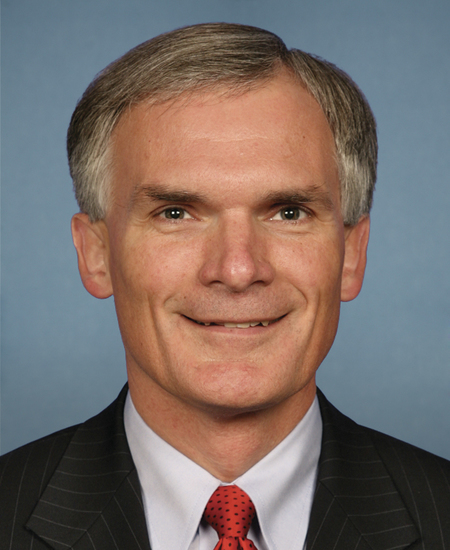
Rep. Robert E. Latta
Sponsored bills
Maddy summaryHR 2769, the "Stop Penalizing Working Seniors Act," allows seniors over 65 who are enrolled only in Medicare Part A (hospital insurance) to contribute to Health Savings Accounts (HSAs). It removes a current tax rule that barred these seniors from HSA contributions while they remain working. The bill amends the Internal Revenue Code to exclude this group from the existing restriction, effective for taxable years beginning after December 31, 2022. This change directly affects working seniors with limited Medicare coverage who previously could not use HSAs for medical expenses.
Maddy summaryThis bill repeals specific provisions from the Affordable Care Act and its 2010 amendment that restricted certain physician referrals to hospitals under Medicare. It directly affects hospitals and physicians who previously faced limitations on referring Medicare patients to facilities they owned or had financial ties with. The key mechanism restores the original rules that allowed such referrals without the prior restrictions, effectively undoing the 2010 changes. This is a procedural change to existing law, not a new policy.
Maddy summaryHR 589, the MAHSA Act, imposes U.S. sanctions on Iran's Supreme Leader, President, and affiliated entities responsible for human rights abuses and terrorism. It targets the Supreme Leader's Office, the President's cabinet, security forces involved in the crackdown following Mahsa Amini's death, and entities financing abuses. The bill requires the President to annually determine and apply existing sanctions - like property blocking and visa bans - against these individuals and entities. This directly affects Iran's top leadership and security apparatus, aiming to hold them accountable for abuses including the Morality Police's role in Amini's detention and the subsequent violent suppression of protests.
Maddy summaryHR 497, the Freedom for Health Care Workers Act, eliminates a federal requirement for healthcare workers in Medicare and Medicaid programs to be vaccinated against COVID-19. The bill directly affects healthcare providers who treat patients under these federally funded programs by preventing the enforcement of the November 2021 HHS rule mandating staff vaccinations. Its key provision prohibits the Department of Health and Human Services from implementing, enforcing, or creating a similar rule regarding vaccination for these workers. This bill changes the policy by removing a specific vaccine mandate for providers in Medicare and Medicaid programs.
Maddy summaryThis bill bans federal funding for abortions in most cases, prohibiting the use of taxpayer money for abortion services or health insurance plans covering abortion. Exceptions allow funding for abortions resulting from rape, incest, or when a pregnancy endangers a woman's life. It requires health insurance plans sold through the Affordable Care Act (ACA) marketplaces to clearly disclose any separate costs for abortion coverage and prohibits ACA subsidies from being used for plans that cover abortion (except in the specified exceptions). The law directly affects federal programs like Medicaid, ACA marketplace plans, and insurers offering health coverage to individuals using federal subsidies.
Maddy summaryThe Nuclear REFUEL Act amends the Atomic Energy Act to update the definition of "production facility" to include reprocessing spent nuclear fuel without separating plutonium from other elements. This change explicitly adds a specific recycling method to the regulatory framework, which previously covered activities like uranium enrichment. The bill aims to support nuclear fuel recycling by clarifying regulatory pathways, potentially streamlining approvals for facilities using this method. It directly affects nuclear energy companies and recycling facilities seeking to process spent fuel without plutonium separation.
Maddy summaryHR 6751 authorizes the U.S. Mint to produce commemorative coins honoring Roberto Clemente, a Hall of Fame baseball player and humanitarian, including 50,000 $5 gold coins, 400,000 $1 silver coins, and 750,000 half-dollar coins. The coins must feature Clemente's image and inscriptions like "Roberto Clemente" and "2027," with all sales including a surcharge ($5-$35 per coin) paid to the Roberto Clemente Foundation. The foundation, which supports youth sports, education, and disaster relief programs, will use these funds for its mission, while the U.S. Treasury must recover all production costs. The coins will be sold exclusively in 2027, with no net cost to the government.
Maddy summaryThis bill (HR 5640) renames a specific United States Postal Service facility in Chesterland, Ohio, located at 12804 Chillicothe Road, as the "Sgt. Wolfgang Kyle Weninger Post Office Building." It directly affects the postal facility and all official U.S. government references to that location. The key provision updates all federal documents, maps, and records to use the new name instead of the previous designation. This is a commemorative measure honoring Sgt. Wolfgang Kyle Weninger with no policy changes or funding impacts.
Maddy summaryThe Working Dog Commemorative Coin Act (HR 807) directs the U.S. Treasury to mint three types of commemorative coins honoring working dogs' service: $5 gold coins, $1 silver coins, and half-dollar coins with specific weight and composition requirements. Each coin will carry a surcharge ($35 for $5 coins, $10 for $1 coins, $5 for half-dollars) that will be paid directly to America's VetDogs to support their programs providing service dogs for veterans, the disabled, and others. The coins will be issued in 2027 with designs reflecting working dogs' roles in military, detection, therapy, and assistance work. The legislation specifies that all surcharge revenue must fund America's VetDogs' operations without creating new government programs. This is a commemorative measure focused on honoring working dogs' contributions through coin sales, with all surcharge funds going to a specific nonprofit organization.