

Maddy summaryThis bill, known as the Mail Ballot Integrity Act, would require states to stop sending unsolicited mail-in ballots to voters for federal elections. Under the law, individuals must actively request a mail-in ballot by submitting a written or electronic request that includes a sworn statement confirming they meet specific eligibility criteria. The bill limits who can receive these ballots to groups such as active-duty military personnel, students living away from home, clergy, people with disabilities, seniors aged 65 and older, and others with temporary mobility or residency issues. States could maintain lists of voters who previously qualified for mail-in voting, but only if those voters continue to meet the established eligibility requirements. The changes would take effect for federal elections occurring on or after the bill is enacted.
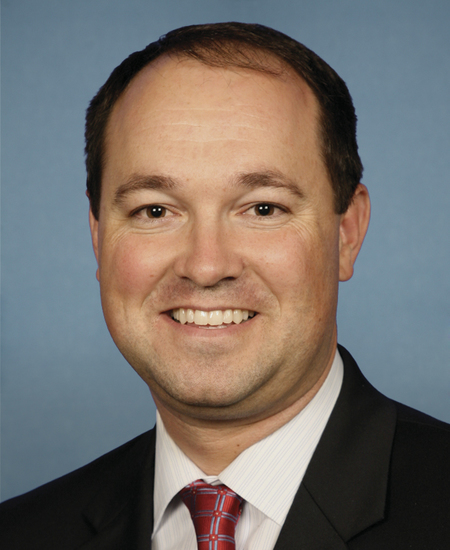
Rep. Marlin A. Stutzman
Sponsored bills
Maddy summaryThe MINT Act modifies rules for federal home loan banks backing tax-exempt bonds used in community development projects. It removes a 2010 deadline for certain bond issuances and shifts safety requirements to be set by the Federal Housing Finance Agency Director, rather than fixed standards. This directly affects community development organizations and local governments using tax-exempt bonds for housing or neighborhood revitalization. The changes apply to guarantees issued after the bill's enactment, streamlining how these bonds are secured.
Maddy summaryHR 7586, the American Families First Act, requires federal agencies to issue guidance within 180 days of enactment to prevent large institutional investors from purchasing single-family homes financed by the government that could instead be bought by individual homebuyers. The bill mandates agencies like HUD and the USDA to define "large institutional investors," block such investors from acquiring homes meant for owner-occupants, and restrict transferring government-owned homes to these entities. It also directs agencies to promote sales to individual buyers through policies like first-look rights for homebuyers and disclosure requirements. The guidance includes narrow exceptions for build-to-rent rental communities but focuses on using federal housing programs to support individual homeownership.
Maddy summaryHR 7678, the Gun Owner Registration Information Protection Act, prohibits federal funding for state or local databases that track lawfully owned firearms or their owners. The bill allows federal funding for databases recording lost or stolen firearms but bans it for databases listing legal gun ownership. This means states cannot use federal money to create or maintain systems that compile information about legally owned guns. The bill directly affects state and local governments that rely on federal funds for firearm ownership databases.
Maddy summaryHR 6541, the Regulation A+ Improvement Act of 2025, increases the funding cap for small businesses using Regulation A+ crowdfunding from $50 million to $150 million, adjusted for inflation every two years based on the Consumer Price Index. This change directly affects small businesses and startups seeking to raise capital through simplified public offerings. The key mechanism is raising the cap while adding automatic inflation adjustments to maintain its real value over time. This policy update aims to provide more accessible capital for smaller issuers under the Securities Act of 1933.
Respect State Housing Laws Act This bill eliminates a provision that requires a 30-day notice period before a landlord may begin eviction proceedings against a tenant in federally assisted or federally backed housing.
Law-Enforcement Innovate to De-Escalate Act This bill removes less-than-lethal projectile devices (e.g., certain TASERs) from regulation under the Gun Control Act. The term less-than-lethal projectile device means a device that (1) is not designed or intended to expel (and may not be readily converted to discharge) commonly used ammunition or projectiles exceeding a velocity of 500 feet per second; (2) is designed and intended to be used in a manner not likely to cause death or serious bodily injury; and (3) does not accept (and cannot be readily modified to accept) an ammunition feeding device. The bill also requires the Bureau of Alcohol, Tobacco, Firearms and Explosives to determine whether a device satisfies the definition of a less-than-lethal projectile device within 90 days of a request.
Maddy summaryThe SCAM Act requires online platforms that display paid advertisements (like social media sites) to verify advertiser identities, implement scam detection systems, and remove fraudulent ads within 24 hours of confirmation. It directly affects platforms that accept payment for ads, targeting scams such as fake giveaways, romance scams, and AI impersonations that cost consumers $195 billion in 2024 (per FTC data). Key mechanisms include mandatory identity checks for advertisers, active monitoring systems, and a 72-hour investigation window for reported scams. The law aims to reduce fraud by shifting responsibility to platforms, with enforcement by the FTC and state attorneys general.
Maddy summaryThe LASSO Act requires 10% of annual revenue generated from public lands managed by the Interior Department and Agriculture Department (including national forests and Outer Continental Shelf areas) to be deposited into the Social Security Trust Fund. This directly affects the Social Security Trust Fund by increasing its funding, while ensuring no fee hikes for public land activities or reductions in funds for states, tribes, or local governments. The bill mandates this transfer annually without altering existing revenue-sharing agreements or pricing structures. It aims to bolster Social Security finances through a specific, measurable mechanism tied to federal land management.
Maddy summaryThis bill modifies federal budget rules for unspent agency funds. It requires federal agencies to allocate 49% of unused funds to the next fiscal year, 49% toward paying the national debt, and 2% for retention bonuses (capped at 10% of an employee's base pay). Agencies must also limit future budget requests to the previous year's amount adjusted for inflation. The bill directly affects all executive branch agencies (excluding the Red Cross), altering how they manage leftover budget authority. It does not create new savings programs for individuals but changes government fiscal management procedures.