

SCAM Act
The SCAM Act requires online platforms that display paid advertisements (like social media sites) to verify advertiser identities, implement scam detection systems, and remove fraudulent ads within 24 hours of confirmation. It directly affects platforms that accept payment for ads, targeting scams such as fake giveaways, romance scams, and AI impersonations that cost consumers $195 billion in 2024 (per FTC data). Key mechanisms include mandatory identity checks for advertisers, active monitoring systems, and a 72-hour investigation window for reported scams. The law aims to reduce fraud by shifting responsibility to platforms, with enforcement by the FTC and state attorneys general.
Bill status
in committee
1 of 4 stages cleared
Introduction
Feb 2026
Committee Review
Floor Vote
President
Introduced Feb 12, 2026
Last action Feb 12, 2026
Floor votes
How they voted
No floor votes recorded yet.
Full legislative history
Actions timeline
Total actions
2
Key actions
0
Committee
1
Feb 12, 2026
Committee
Referred to the House Committee on Energy and Commerce.
lower
Feb 12, 2026
Introduced
Introduced in House
lower
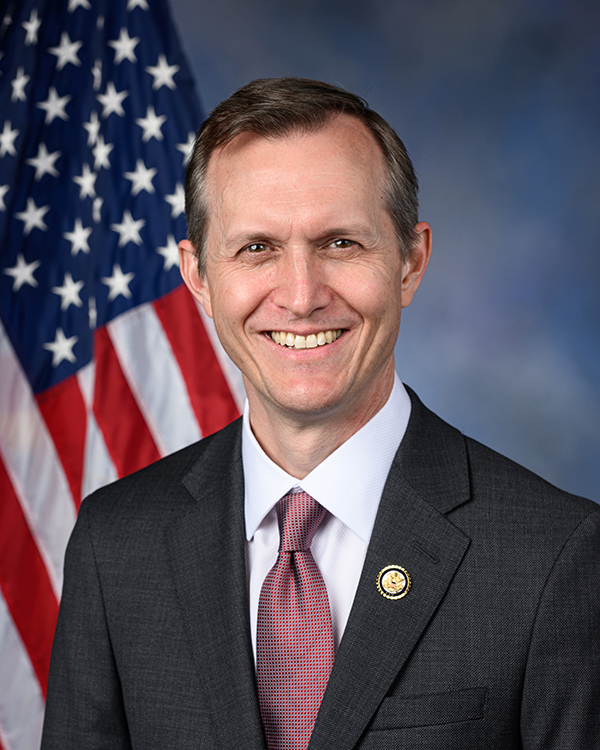
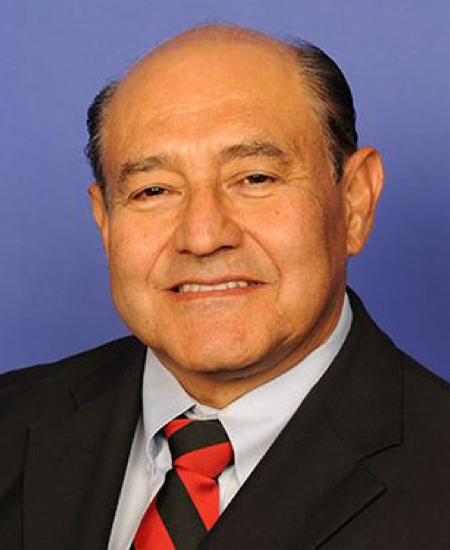
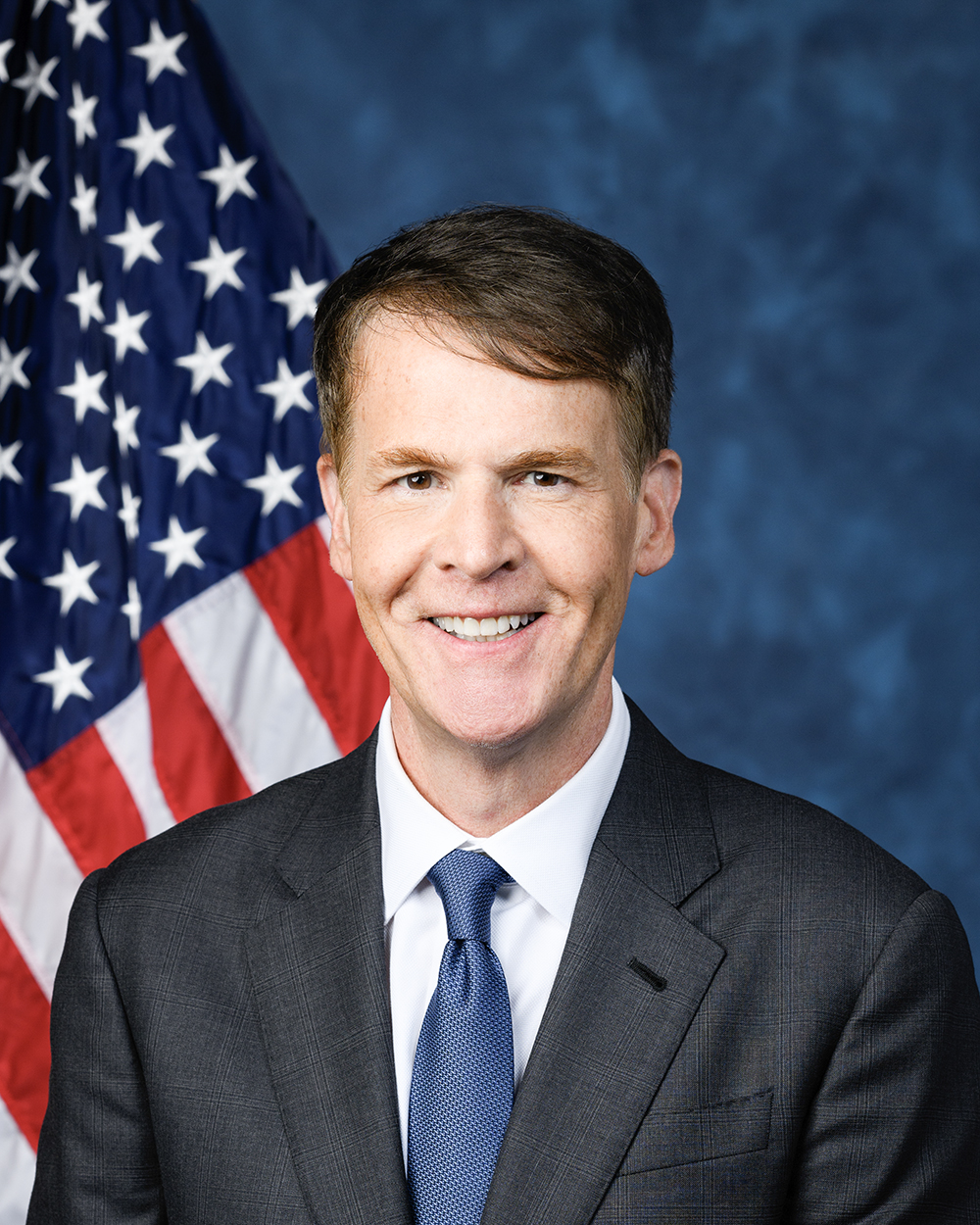
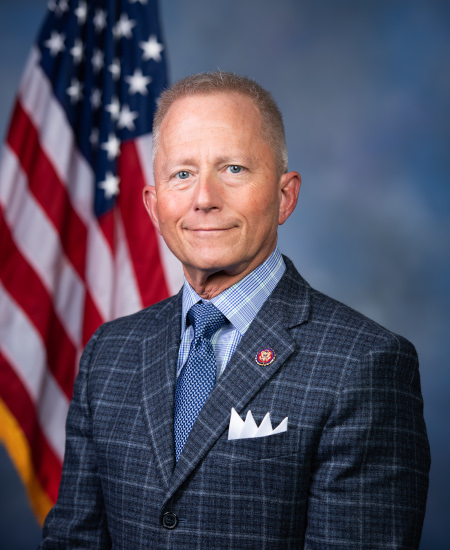
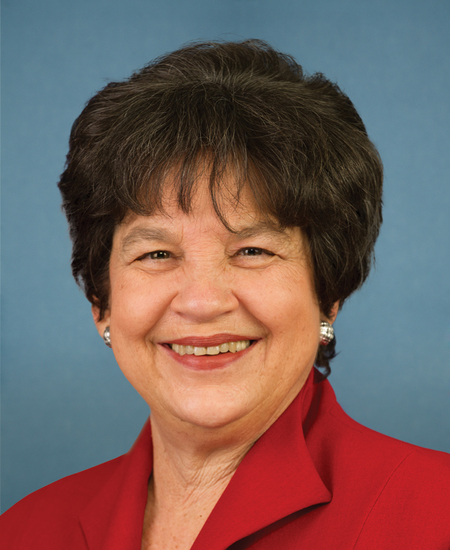
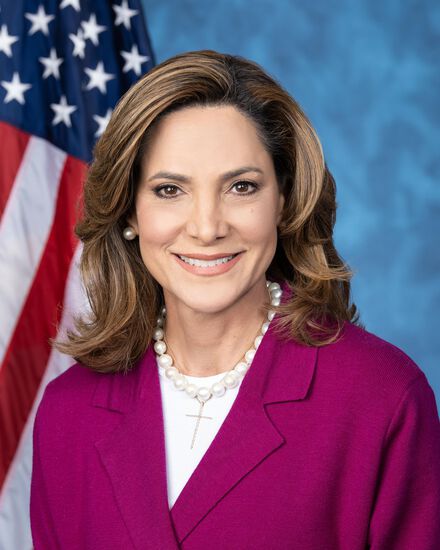
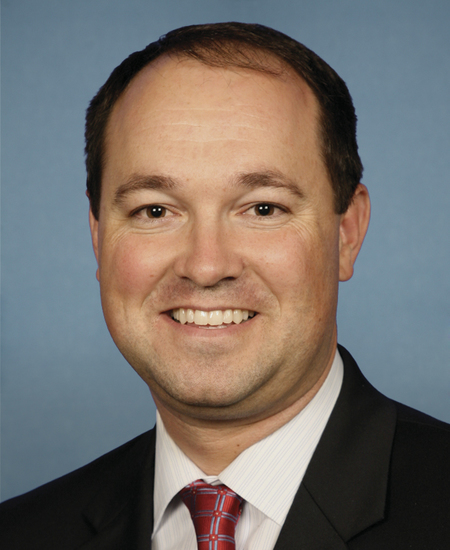
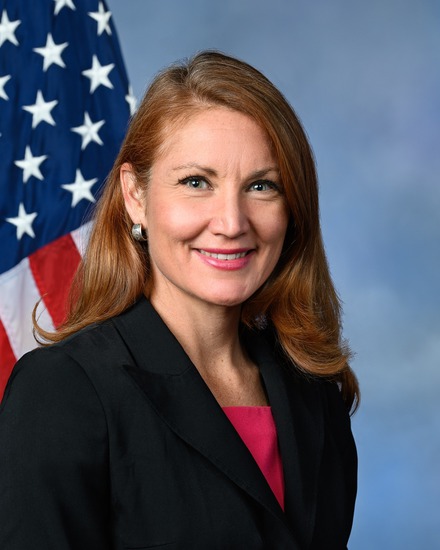
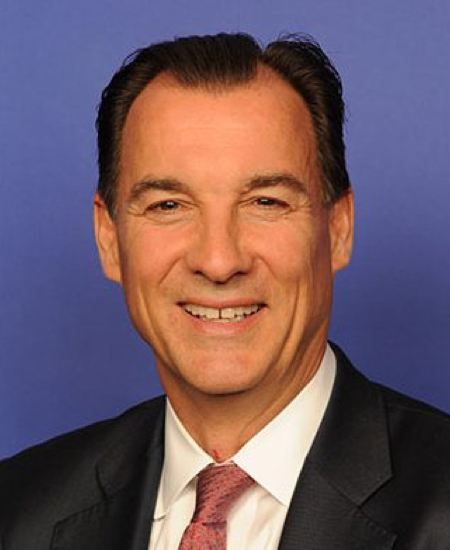
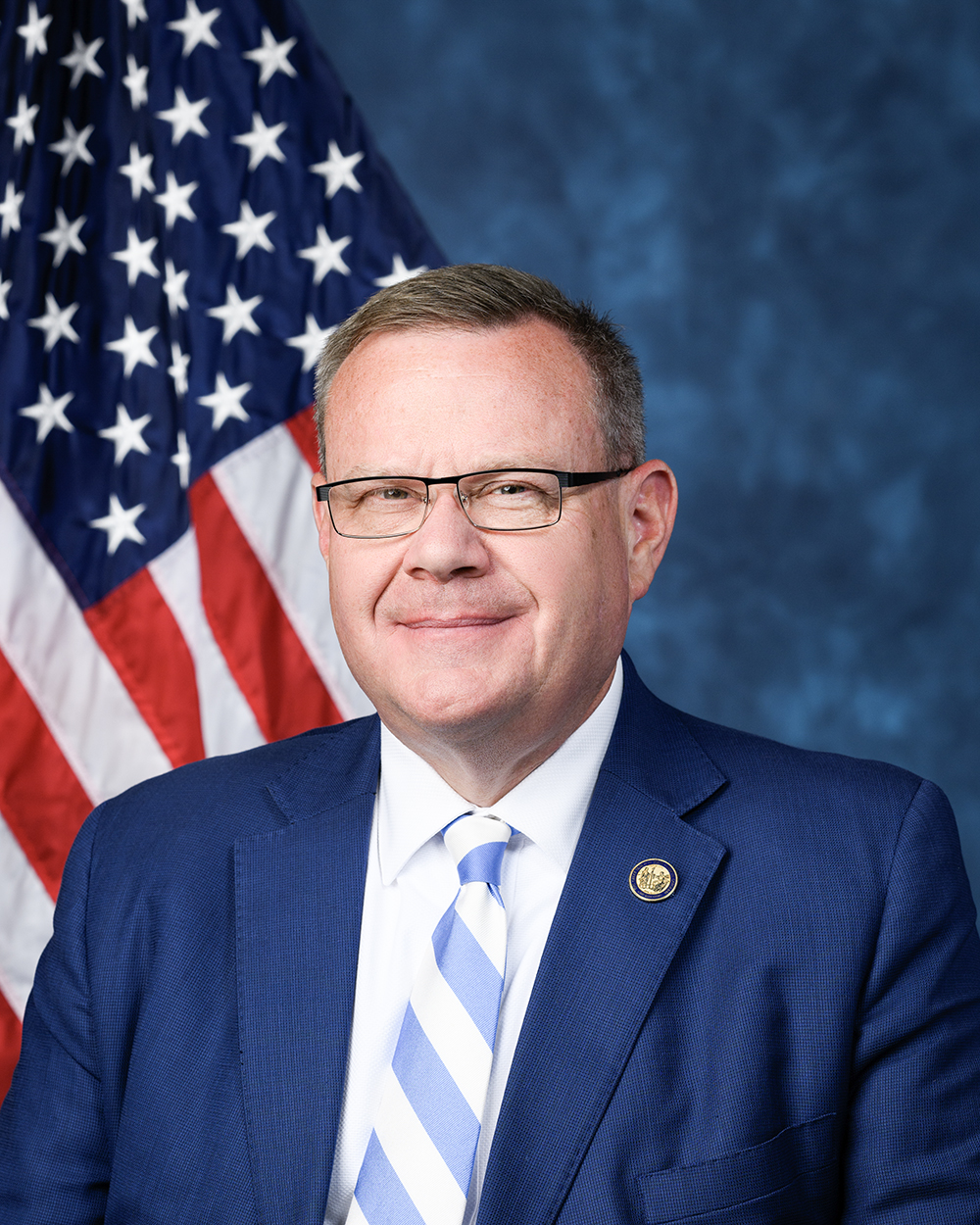
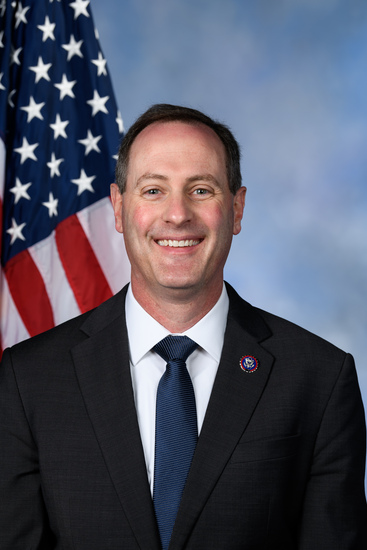
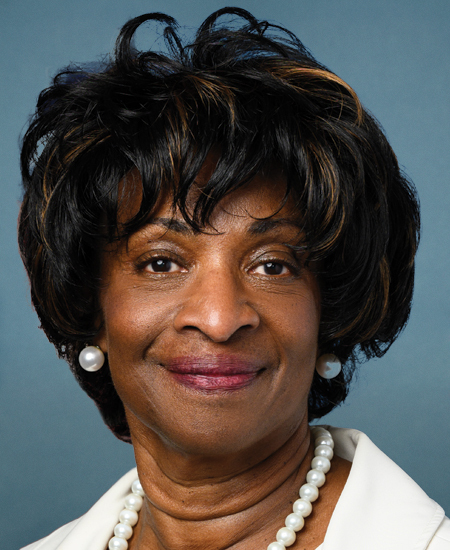
1 primary · 49 co-sponsors
Sponsors
Role
Legislator
Party
State
District
P
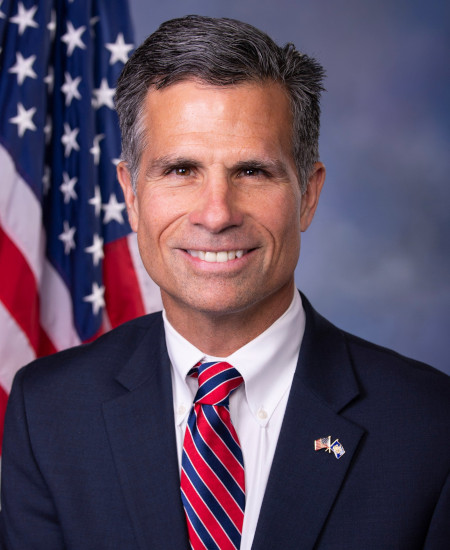
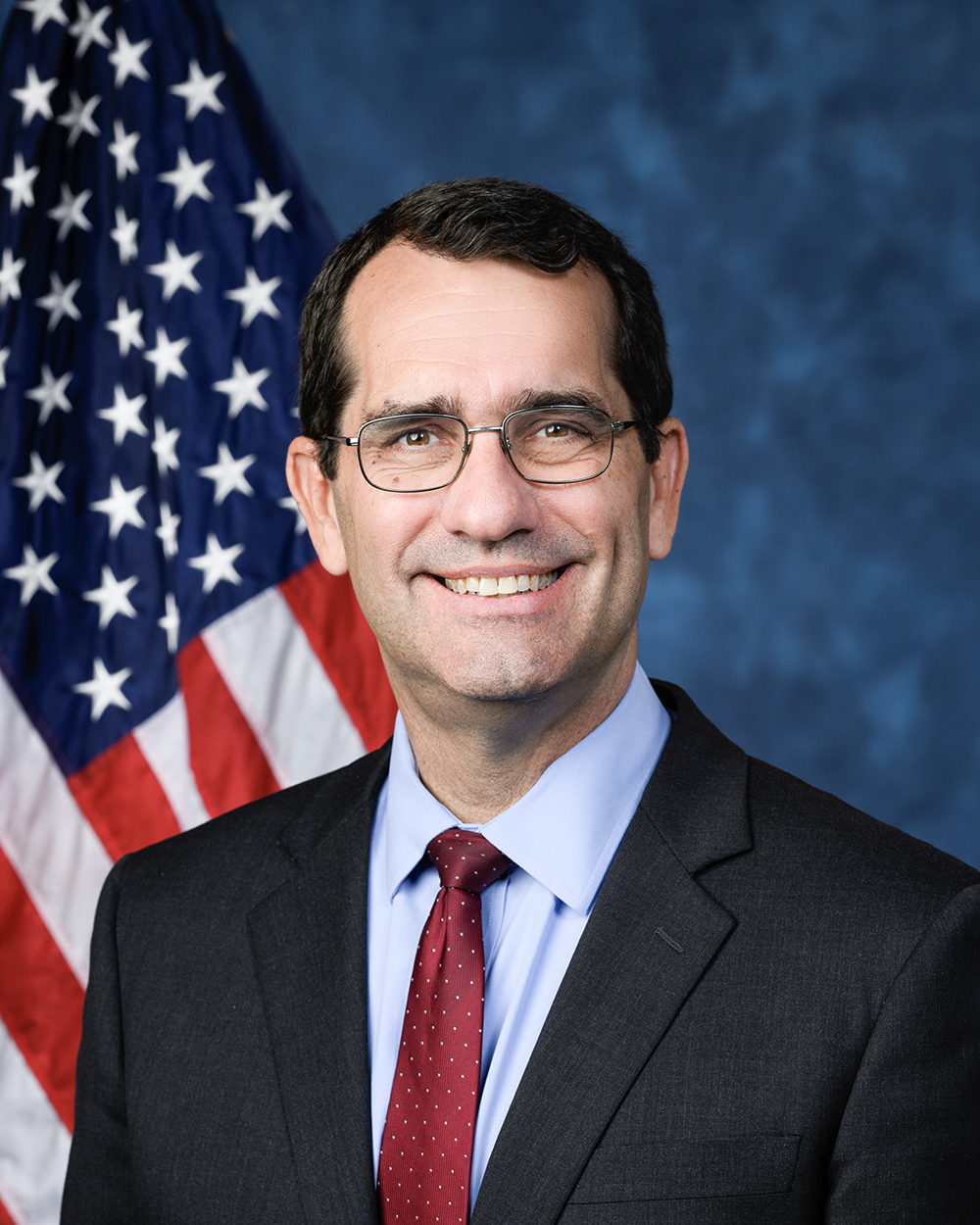
Daniel Meuser
RRepublican
Co
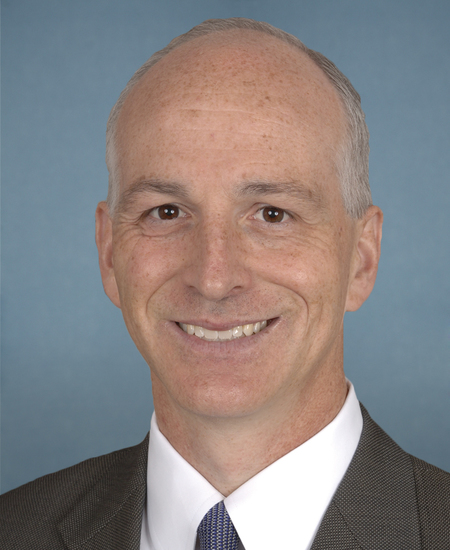
Adam Smith
DDemocratic
Co
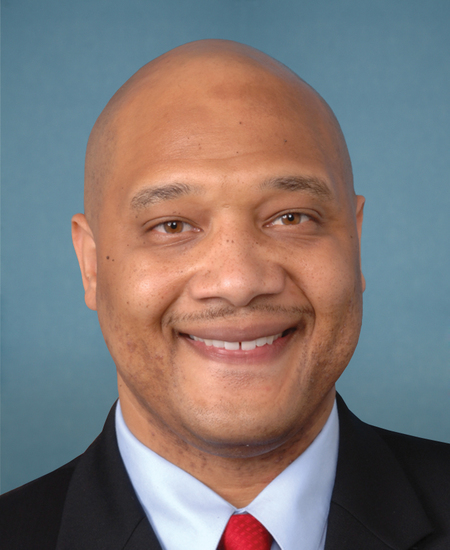
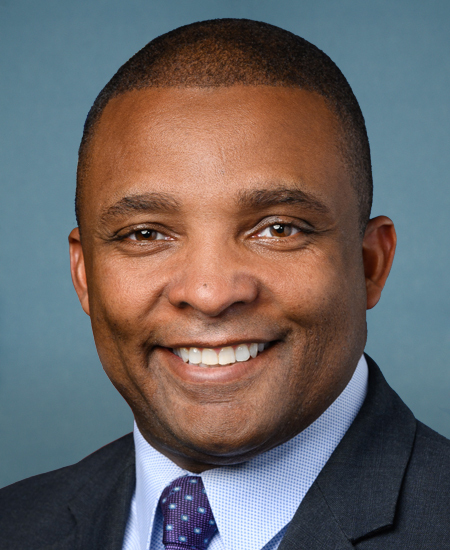
André Carson
DDemocratic
Co
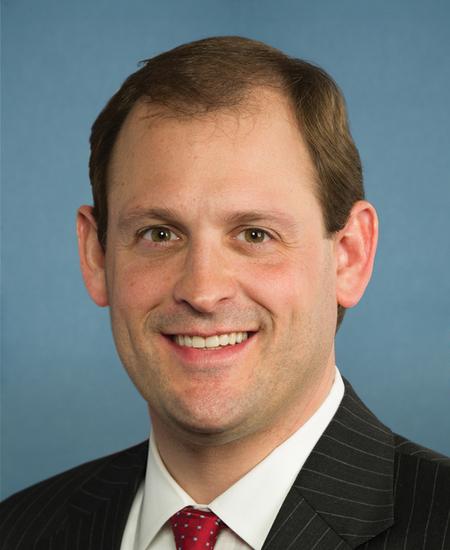
Andy Barr
RRepublican
Co
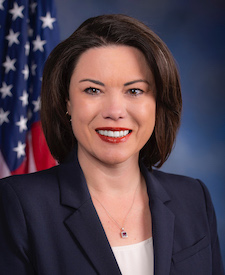
Angie Craig
DDemocratic
Co
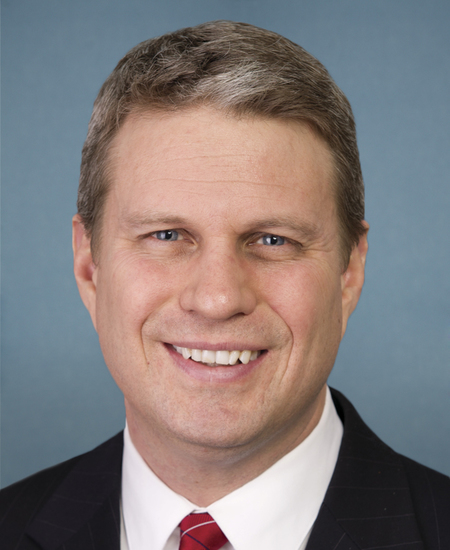
Bill Huizenga
RRepublican
Co

Brittany Pettersen
DDemocratic
Co
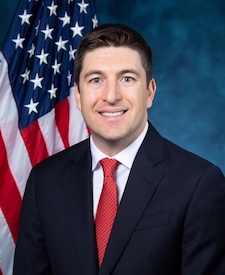
Bryan Steil
RRepublican
Co

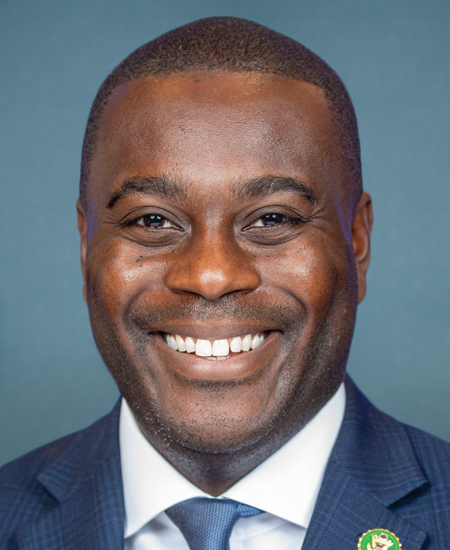
Byron Donalds
RRepublican
Co
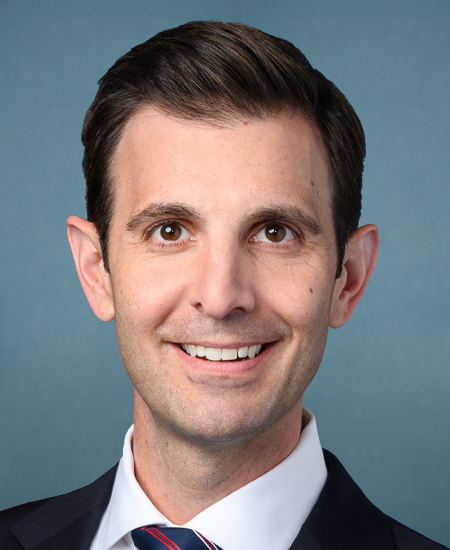
Christopher R. Deluzio
DDemocratic
Co

Chuck Edwards
RRepublican










Ask Maddy
·
AI policy assistant
Ask Maddy about HR 7548
Scope: US
Hi! I can help you understand HR 7548. What would you like to know?
Try one of these
i
Maddy answers using official bill text and legislative records. Always verify before sharing.
Sources cited inline