

Issue · Healthcare
Healthcare
Every healthcare bill, vote, and legislator stance in Nebraska, automatically classified by Maddy, our AI policy reader.
Total bills
242
109th Legislature (2025-2026)
Top supporter
Dan Quick
81% support rate
Top opponent
Rob Clements
36% support rate
Ranked legislators
10
5 support · 5 oppose
Key legislators
Who's moving healthcare in Nebraska
| Legislator | Party | Stance | Support rate | Votes |
|---|---|---|---|---|

Dan Quick
House · District 35
|
N |
Strong +
|
81% | 135 |

Eliot Bostar
House · District 29
|
N |
Support
|
79% | 129 |

Machaela Cavanaugh
House · District 6
|
N |
Support
|
79% | 162 |

Myron Dorn
House · District 30
|
N |
Support
|
77% | 201 |

Ashlei Spivey
House · District 13
|
N |
Support
|
77% | 148 |
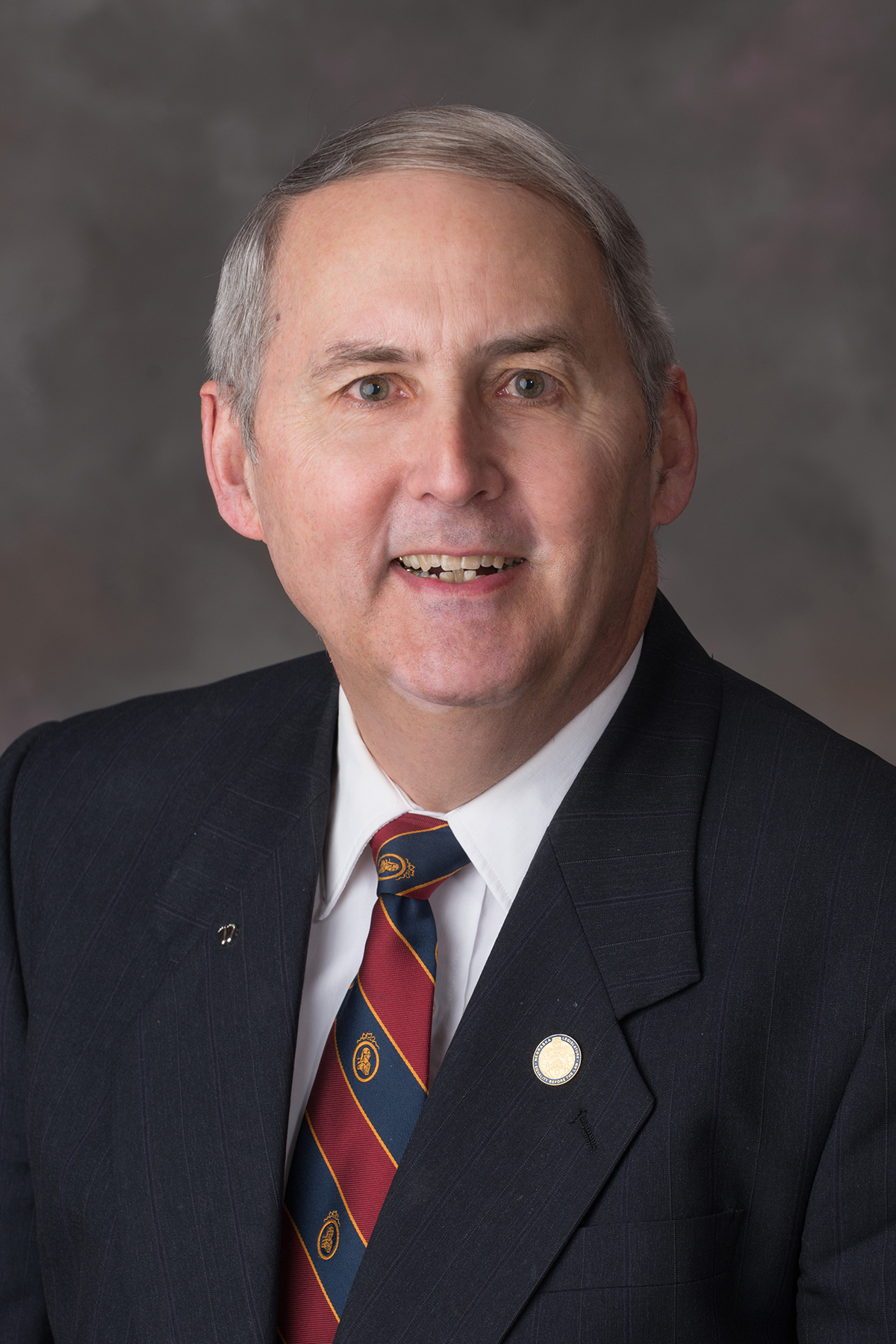
Rob Clements
House · District 2
|
N |
Oppose
|
36% | 202 |
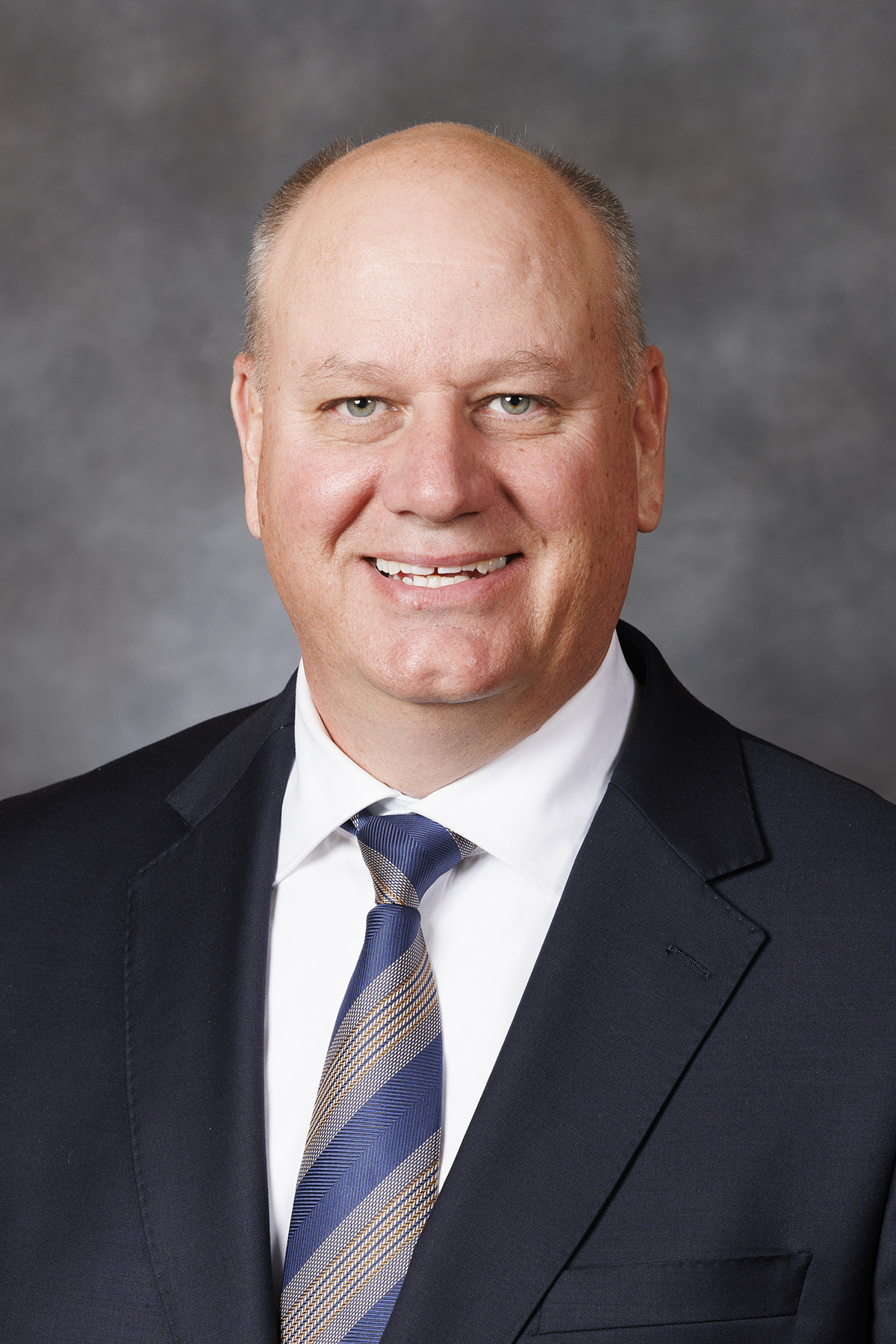
Jared Storm
House · District 23
|
N |
Oppose
|
37% | 188 |
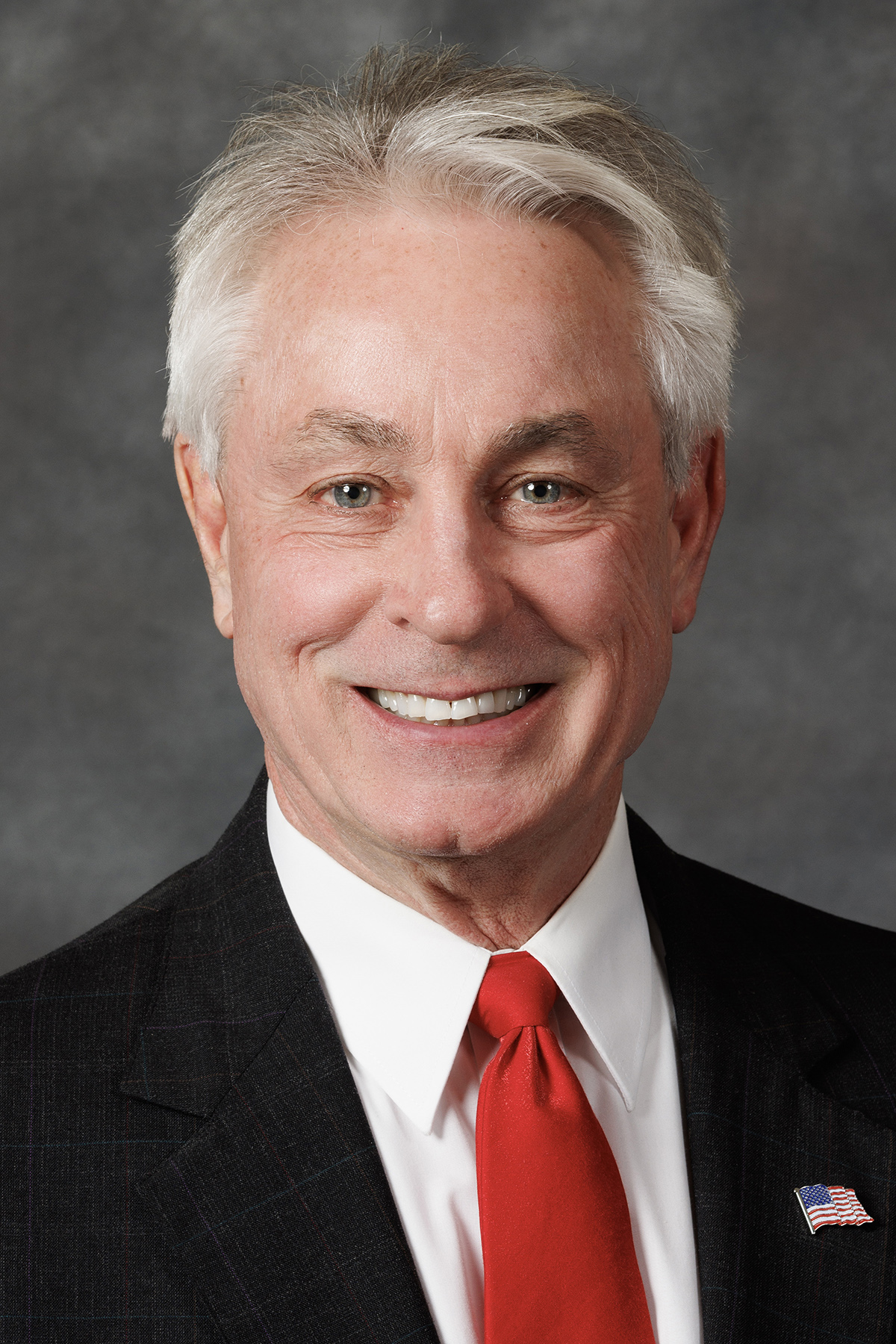
Loren Lippincott
House · District 34
|
N |
Oppose
|
38% | 191 |
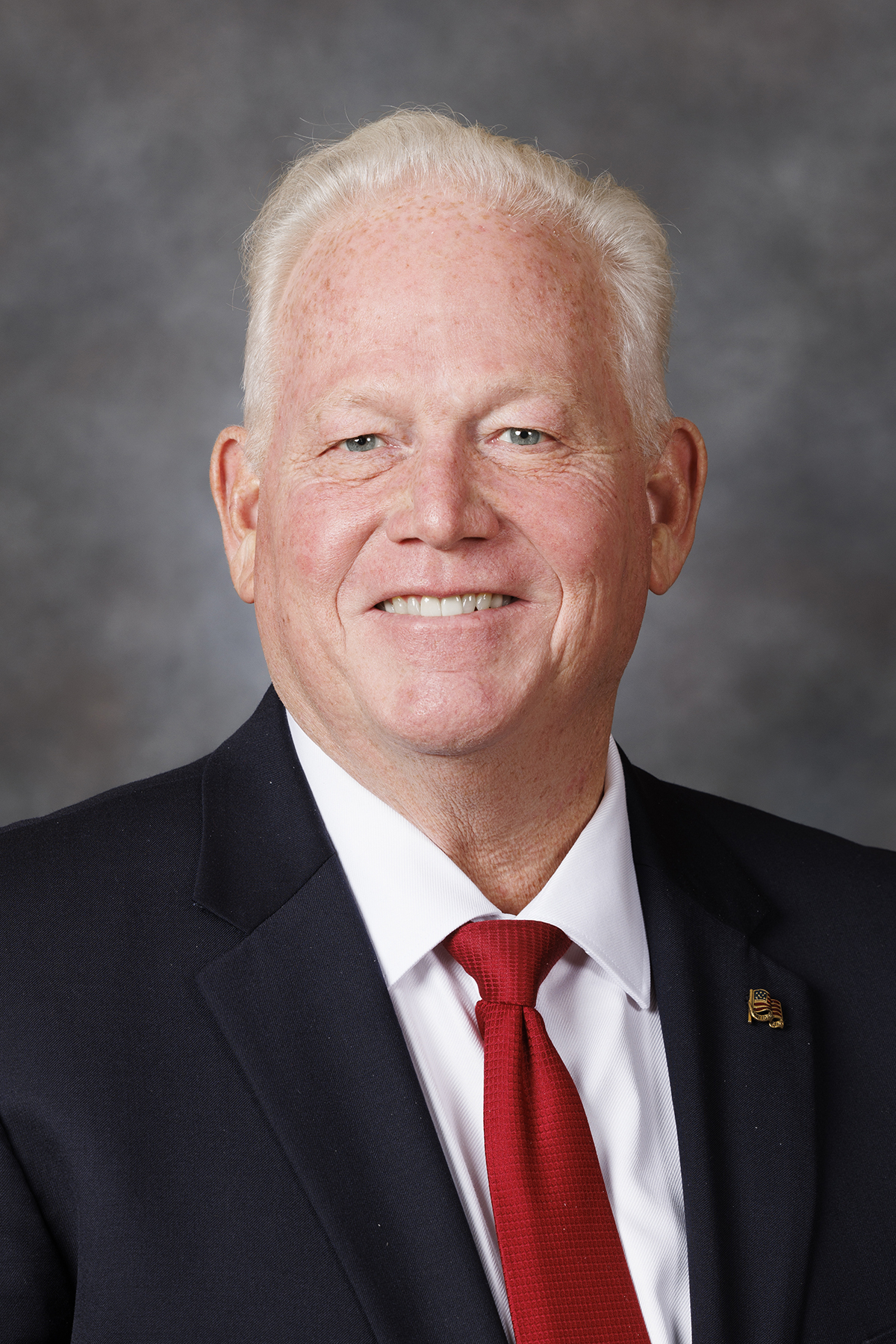
Bob Andersen
House · District 49
|
N |
Oppose
|
38% | 203 |
Dave Murman
House · District 38
|
N |
Oppose
|
39% | 191 |
Showing 201–210 of 242
bills
All healthcare bills
LB 239: Change requirements relating to developmental disabilities funding priorities and eliminate a sunset date
Sub-Topics
Medicaid
LB 268: Require the Department of Health and Human Services to implement a provider rate increase for developmental disability services
Topics
✓ Budget & TaxesSupports Budget & TaxesMandates increased state spending on developmental disability services via higher provider reimbursement rates tied to minimum wage and CPI.
✓ HealthcareSupports HealthcareMandates 150% of state minimum wage rate increase for developmental disability service providers, directly funding healthcare services for vulnerable populations.
LB 715: Require insurance coverage for pre-exposure prophylaxis medication
Sub-Topics
Hospitals
LB 410: Require insurance coverage of prosthetics and orthotics
Topics
✓ HealthcareSupports HealthcareMandates insurance coverage for medically necessary prosthetics/orthotics, expanding health benefits and improving patient access to essential medical devices as prescribed by doctors.
✓ VeteransSupports VeteransRequires insurance coverage for prosthetics/orthotics, critical for veterans with service-related injuries, improving healthcare access without explicit veteran targeting.
LB 188: State intent to appropriate for medicaid nursing facility rates
Topics
✓ Budget & TaxesSupports Budget & TaxesAllocates $462M and $476M for Medicaid nursing facility rates, mandating funding for essential healthcare services and inflation adjustments.
✓ HealthcareSupports HealthcareAllocates $462M and $476M for Medicaid nursing facility rates, mandating inflation adjustments and rate enhancements to maintain funding levels.
Sub-Topics
Long-Term Care
LB 146: State intent regarding appropriations for dental services under the Medical Assistance Act
Topics
✓ Budget & TaxesSupports Budget & TaxesBill allocates 12.5% rate increase for Medicaid dental reimbursements, directly increasing state spending on public health services through appropriations.
✓ HealthcareSupports HealthcareIncreases Medicaid dental reimbursement rates by 12.5%, directly funding provider payments under healthcare program without restricting coverage.
Sub-Topics
Medicaid
LB 440: Adopt the Education Leave and Support Act
Topics
✓ Budget & TaxesSupports Budget & TaxesCreates 0.35% payroll tax to fund education leave program, directly allocating state resources to support public education budgets and teacher retention.
✓ EducationSupports EducationCreates state fund to reimburse districts for substitute costs during teacher FMLA leave, directly supporting educators' medical leave needs and preventing personal/sick leave depletion.
✓ HealthcareSupports HealthcareFunds teacher medical leave (FMLA) through payroll fees, ensuring access to healthcare leave without personal/sick day use, directly supporting healthcare access for educators.
✓ Labor & EmploymentSupports Labor & EmploymentFund reimburses districts for substitute costs during teacher FMLA leave, preventing use of personal/sick leave - directly protects workers' rights and benefits under Labor & Employment
LB 305: Adopt the Preceptorship Tax Credit Act
Topics
✓ Budget & TaxesSupports Budget & TaxesCreates $1,000 tax credit per rotation for physicians, reducing tax liability to incentivize rural medical training; aligns with fiscal support for healthcare access.
✓ EducationSupports EducationBill supports medical education (a higher education program) by incentivizing physician preceptors through tax credits, directly advancing a specific educational training pathway.
✓ HealthcareSupports HealthcareTax credit incentivizes physician preceptorships in medical training, prioritizing rural areas to expand healthcare workforce and improve access to services.
Sub-Topics
Tax Credits