Issue · Healthcare

Healthcare

Every healthcare bill, vote, and legislator stance in Nebraska, automatically classified by Maddy, our AI policy reader.

Total bills
242
109th Legislature (2025-2026)
Top supporter
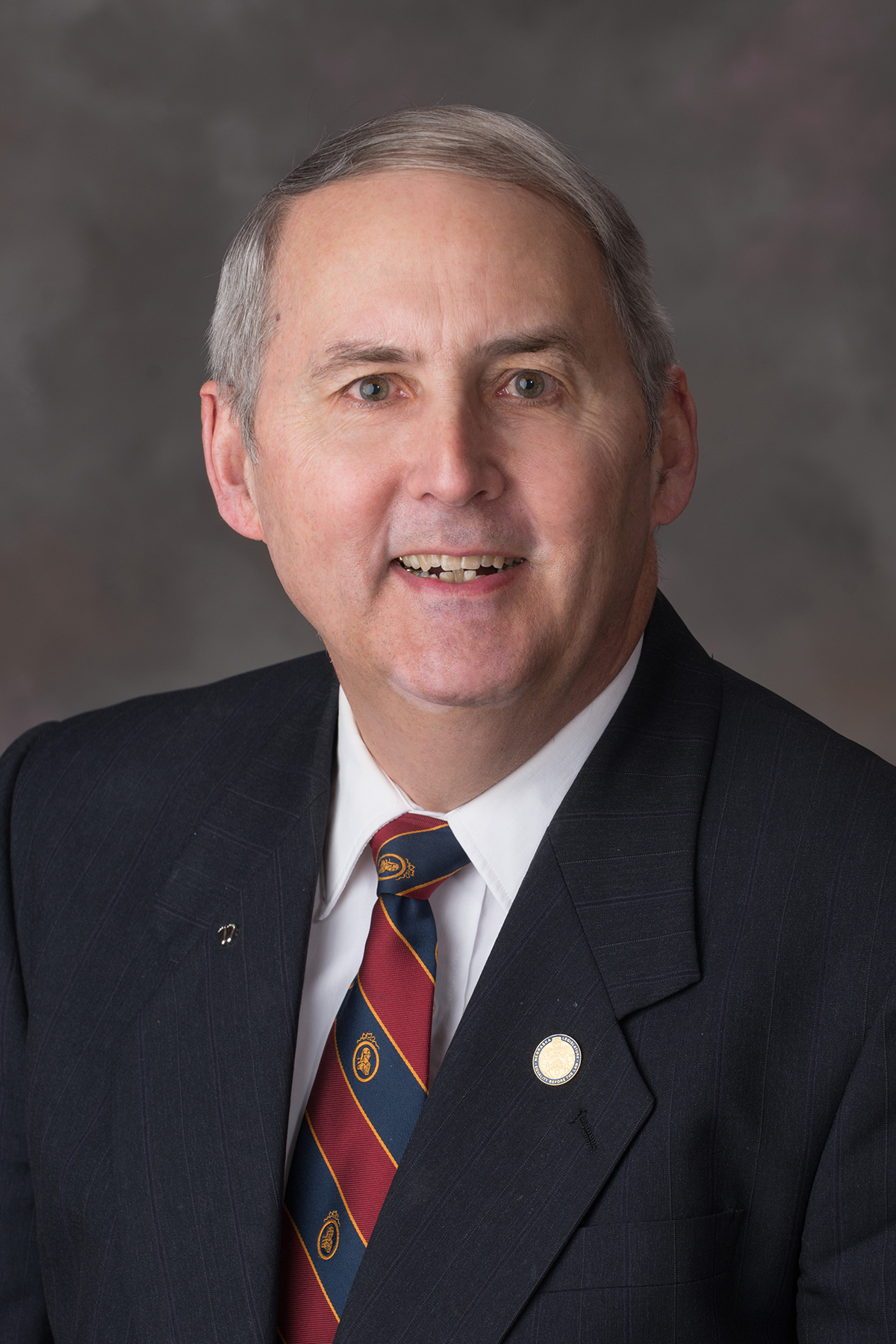
Dan Quick
81% support rate
Top opponent
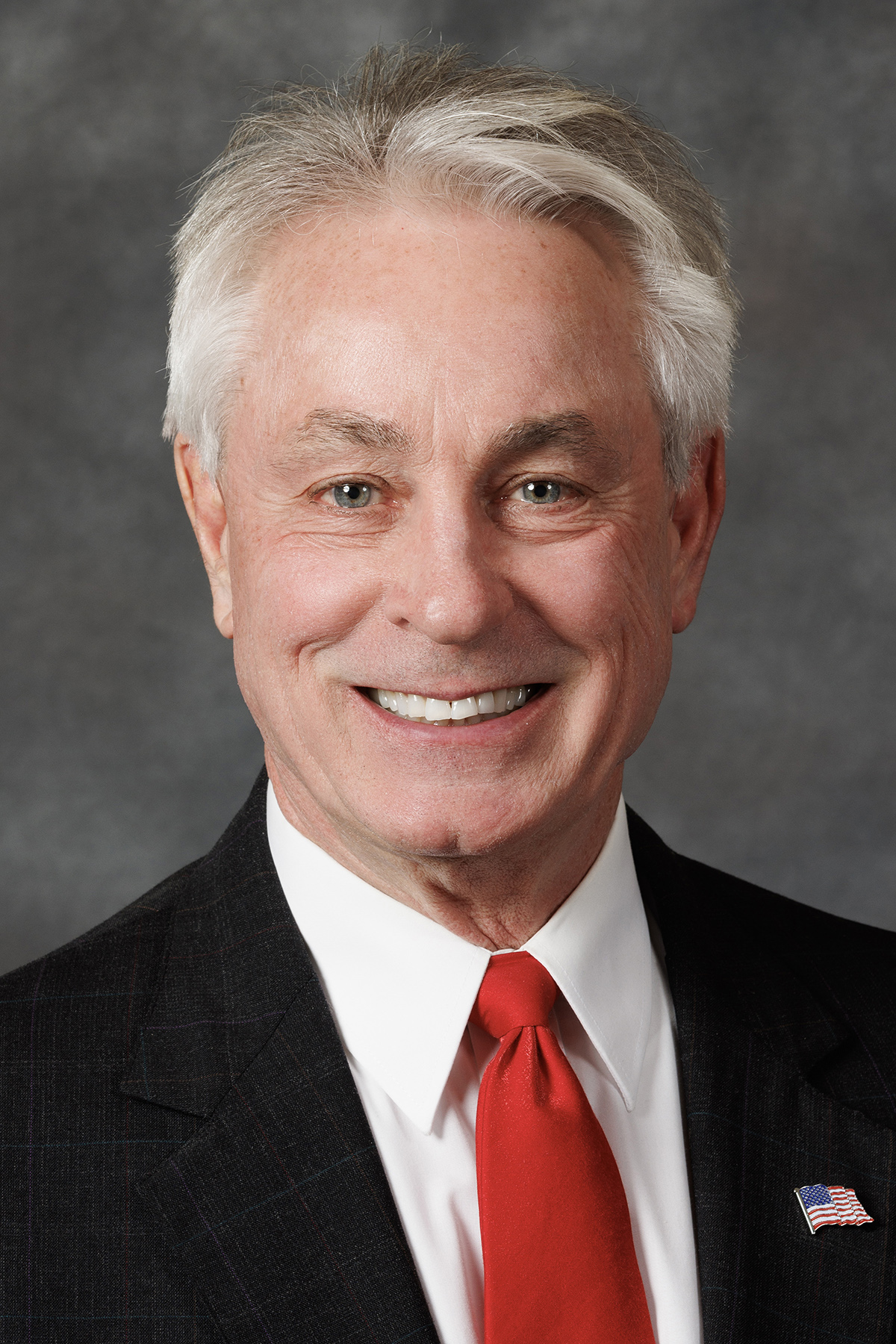
Rob Clements
36% support rate
Ranked legislators
10
5 support · 5 oppose
Key legislators

Who's moving healthcare in Nebraska

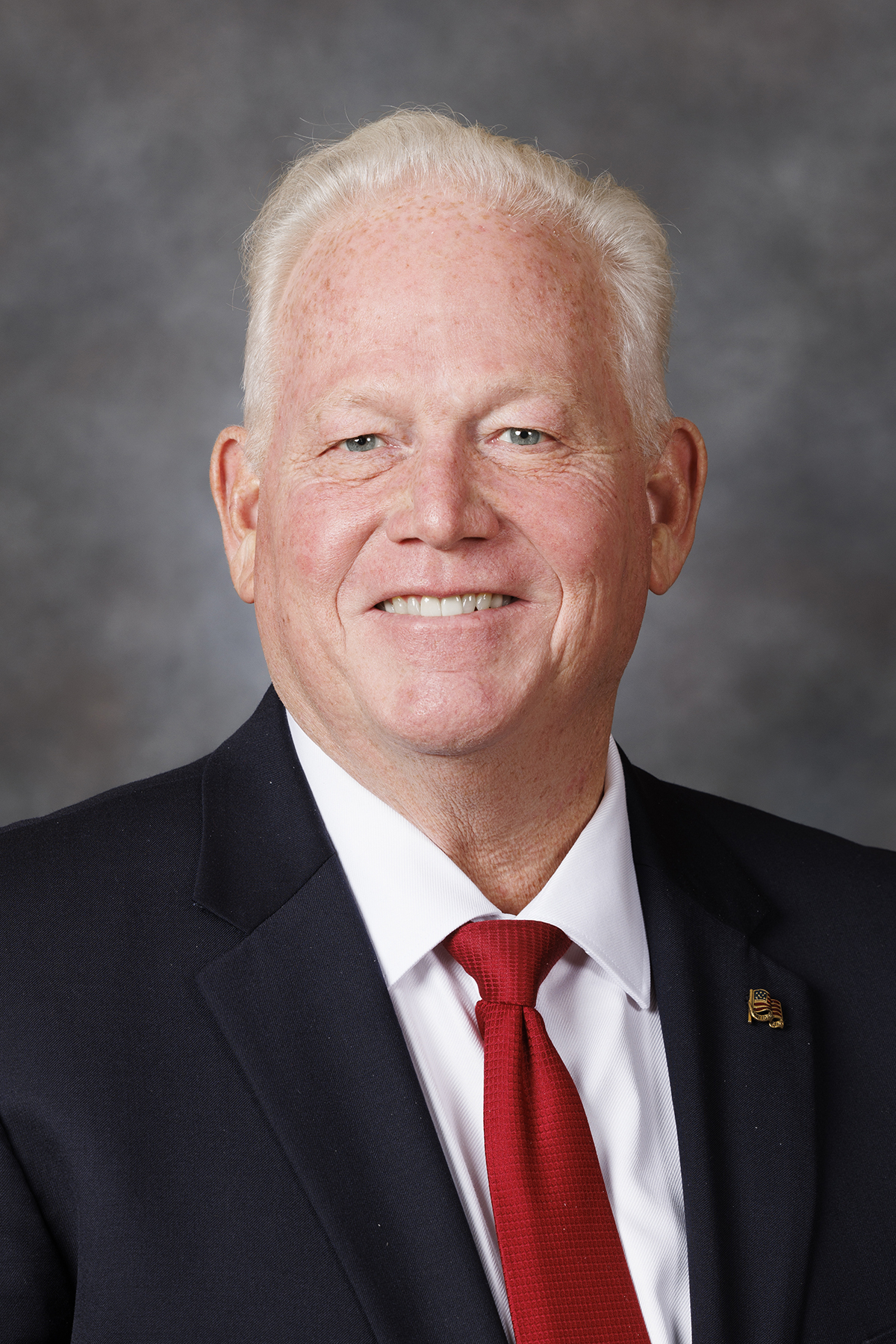
Legislators moving healthcare in Nebraska
Legislator Party Stance Support rate Votes
Dan Quick
Dan Quick House · District 35
N
Strong +
81% 135
Eliot Bostar
Eliot Bostar House · District 29
N
Support
79% 129
Machaela Cavanaugh
Machaela Cavanaugh House · District 6
N
Support
79% 162
Myron Dorn
Myron Dorn House · District 30
N
Support
77% 201
Ashlei Spivey
Ashlei Spivey House · District 13
N
Support
77% 148
Rob Clements
Rob Clements House · District 2
N
Oppose
36% 202
Jared Storm
Jared Storm House · District 23
N
Oppose
37% 188
Loren Lippincott
Loren Lippincott House · District 34
N
Oppose
38% 191
Bob Andersen
Bob Andersen House · District 49
N
Oppose
38% 203
Dave Murman
Dave Murman House · District 38
N
Oppose
39% 191
Showing 191–200 of 242 bills

All healthcare bills

died · Nebraska · Legislature Apr 17, 2026

LB 655: Provide for medical conscience-based objections

Nebraska's LB 655 protects health care providers and payors (like insurers) from discrimination when refusing specific services based on sincerely held religious, moral, or ethical beliefs. It requires providers to give written notice to supervisors and document objections in patient records when declining a service they object to. The bill prohibits retaliation or adverse actions against providers who exercise this right, but explicitly forbids refusal of care based on a patient's race, religion, sex, or national origin. Providers can file complaints with the Attorney General if their rights are violated, and the law clarifies that refusing one service doesn't exempt them from providing other covered care.
died · Nebraska · Legislature Apr 17, 2026

LB 233: Require coverage for in vitro fertilization for state employees under the Nebraska State Insurance Program

Nebraska's LB 233 requires the Nebraska State Insurance Program to cover in vitro fertilization (IVF) for state employees starting July 1, 2025. The bill mandates that IVF treatment be included as a special coverage option, available uniformly to all eligible state employees who choose to enroll. Key limitations include capping coverage at four completed egg retrievals per individual, requiring employees to attempt less expensive infertility treatments first (with physician exceptions), and restricting care to facilities meeting specific medical standards. This policy change directly affects state employees enrolled in the Nebraska State Insurance Program, adding IVF as a covered benefit under existing special coverage rules.
died · Nebraska · Legislature Apr 17, 2026

LB 252: Prohibit disadvantaging insurance and Medicaid coverage for nonopioid drugs

Nebraska's LB 252 prohibits Medicaid and commercial insurers from disadvantaging nonopioid pain medications approved by the FDA. It requires that such drugs receive equal coverage terms compared to opioid alternatives, banning higher cost-sharing tiers, stricter prior authorization, or step therapy requirements for nonopioid drugs. The law applies immediately upon FDA approval for pain treatment and mandates exceptions for providers who confirm nonopioid drugs are appropriate for a patient. This directly affects insurers (including Medicaid managed care organizations), healthcare providers, and patients seeking pain management options. The bill aims to ensure equal access to nonopioid treatments without restricting prescribers' choices.
died · Nebraska · Legislature Apr 17, 2026

LB 64: Change eligibility requirements for medicare supplement policies

LB 64 changes Nebraska's rules for Medicare supplement insurance (Medigap) policies. It requires insurers to offer these policies to people under 65 who qualify for Medicare due to disability (not just those 65+), and establishes an annual 30-day open enrollment period starting January 1, 2026, based on the applicant's birthday. During this period, insurers cannot deny coverage, charge more based on health status, or exclude preexisting conditions. Premiums for under-65 disability enrollees can be up to 150% of the standard rate for those 65+, but must be actuarially sound and not unfairly discriminatory.
Sub-Topics Medicare
died · Nebraska · Legislature Apr 17, 2026

LB 68: Provide insurance and medicaid coverage for certain contraceptives

This bill requires most health insurance plans and Nebraska's Medicaid program (medical assistance) to cover FDA-approved self-administered hormonal contraceptives without cost-sharing. It mandates coverage for up to a 3-month supply for the first prescription and up to a 12-month supply for subsequent refills, regardless of when the policyholder enrolled. The law prevents insurers from charging extra if someone switches contraceptive methods before finishing their current supply. It directly affects individuals with these insurance plans who use prescribed hormonal contraceptives. The bill amends existing law to establish these coverage requirements and repeals the previous section.
Sub-Topics Insurance Medicaid
died · Nebraska · Legislature Apr 17, 2026

LB 61: Require the Department of Health and Human Services to file a medicaid waiver amendment for memory care rates

Nebraska's LB 61 requires the Department of Health and Human Services to submit a federal waiver amendment specifically adjusting reimbursement rates for memory care services under the state's Medicaid home and community-based services program. This change directly affects Medicaid beneficiaries receiving memory care (typically elderly or disabled individuals with dementia or similar conditions) and the providers offering those services. The bill mandates the department file this waiver amendment with federal authorities to secure updated funding rates for memory care, rather than creating new coverage. It does not establish new benefits or funding but modifies existing reimbursement structures for a specific service category. The requirement is procedural, focusing on adjusting payment rates through a federal waiver process.
died · Nebraska · Legislature Apr 17, 2026

LB 486: Require the Department of Health and Human Services to implement standards for reimbursement for certain service providers

This bill requires Nebraska's Department of Health and Human Services to set a standard reimbursement rate for personal care service providers serving elderly and disabled Nebraskans under the "aged and disabled personal care services waiver" program. The rate must match the findings of a 2022 CBIZ Optumas study report and be adjusted at least every two years. It directly affects service providers who currently receive reimbursement through this waiver program, ensuring their payments align with the study's recommendations. The policy change aims to standardize payments without specifying new funding levels or eligibility changes.
died · Nebraska · Legislature Apr 17, 2026

LB 636: Change provisions relating to fees allowed for sheriffs and provide for reimbursement to counties for medical services for jail inmates

LB 636 creates a state reimbursement program for counties covering medical costs for jail inmates, effective July 1, 2025. Counties must submit quarterly claims for eligible medical expenses (like treatment or emergency care) to the Jail Standards Board, which will pay them up to $21 million annually. The bill updates sheriff fee rates but primarily shifts the financial burden from counties to the state for inmate medical care, requiring counties to document costs and comply with strict filing deadlines. It excludes costs resulting from county negligence and mandates biennial audits of county records.
died · Nebraska · Legislature Apr 17, 2026

LB 255: Provide for use of the Opioid Treatment Infrastructure Cash Fund for problem solving courts

LB 255 redirects $1 million annually from Nebraska's Opioid Treatment Infrastructure Cash Fund to support problem-solving courts. It specifically authorizes funding for medication-assisted treatment (using FDA-approved medication combined with counseling and therapy) for individuals with substance use disorders participating in these courts. The bill affects drug, veterans, mental health, and other problem-solving courts across judicial districts, requiring the State Court Administrator to track outcomes and report on recidivism and program access. This policy change explicitly ties fund usage to court-based treatment programs, as amended in sections 24-1302 and 71-2492 of Nebraska law.
died · Nebraska · Legislature Apr 17, 2026

LB 158: Provide requirements for health carriers or pharmacy benefit managers regarding out-of-pocket maximums and cost-sharing requirements

LB 158 requires Nebraska health insurance plans and pharmacy benefit managers to count all payments made by patients (or others on their behalf) toward their annual out-of-pocket maximum. This includes copays, deductibles, and costs for services like prescriptions, ensuring all such payments reduce the yearly limit patients must pay before full coverage kicks in. The law applies to new or renewed health plans after January 1, 2026, with a limited exception for health savings accounts that must first meet a minimum deductible before counting toward the maximum (though preventive care always counts). It directly affects health plan enrollees by clarifying how their out-of-pocket costs are calculated.
Showing 191 to 200 of 242 bills
Previous 1 19 20 21 25 Next