Issue · Healthcare

Healthcare (Healthcare Workforce)

Every healthcare bill, vote, and legislator stance in Nebraska, automatically classified by Maddy, our AI policy reader.

Total bills
20
109th Legislature (2025-2026)
Top supporter
Ashlei Spivey
100% support rate
Top opponent
Carolyn Bosn
0% support rate
Ranked legislators
10
5 support · 5 oppose
Key legislators

Who's moving healthcare workforce in Nebraska

Legislators moving healthcare workforce in Nebraska
Legislator Party Stance Support rate Votes
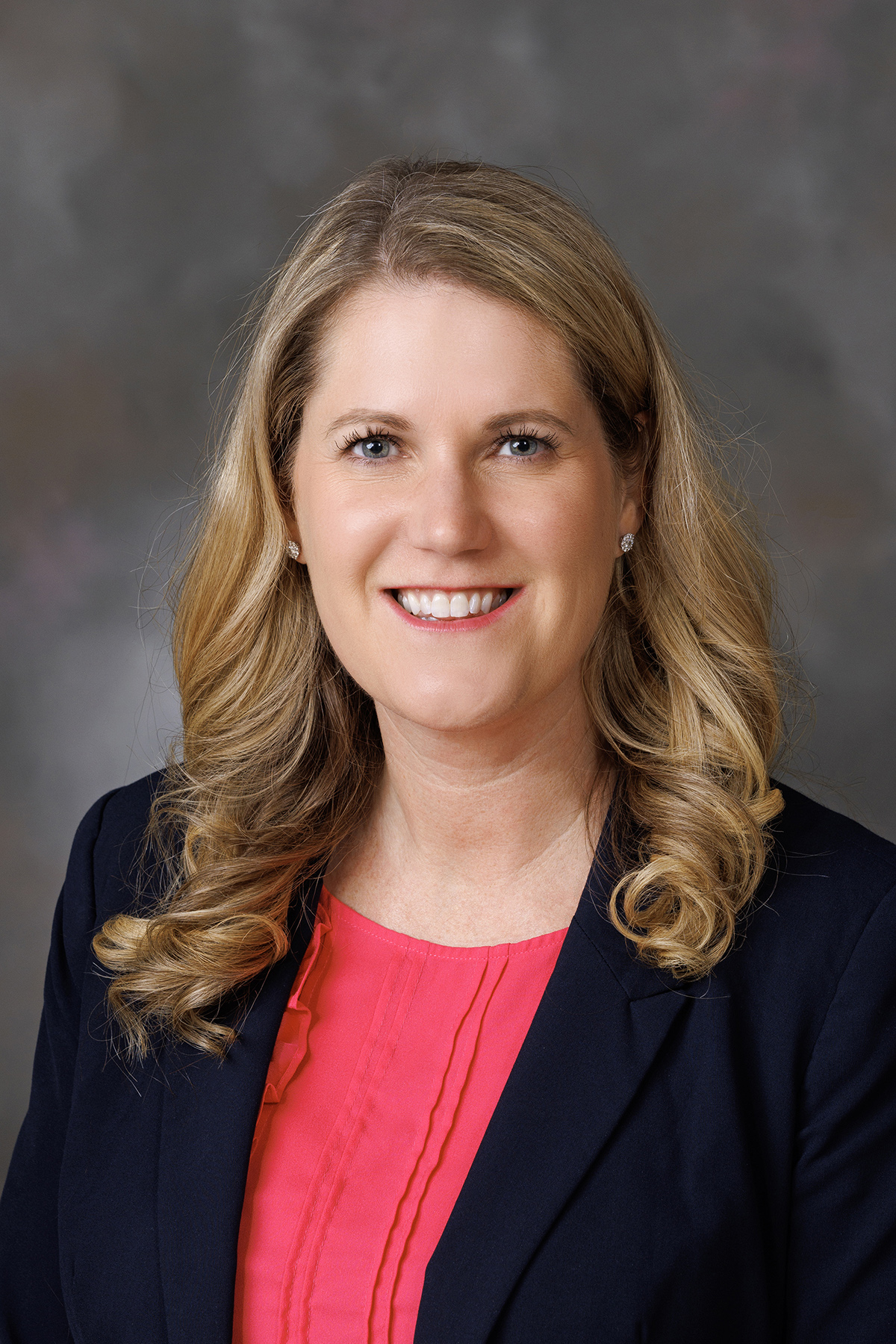
Ashlei Spivey
Ashlei Spivey House · District 13
N
Strong +
100% 5
Beau Ballard
Beau Ballard House · District 21
N
Strong +
100% 5
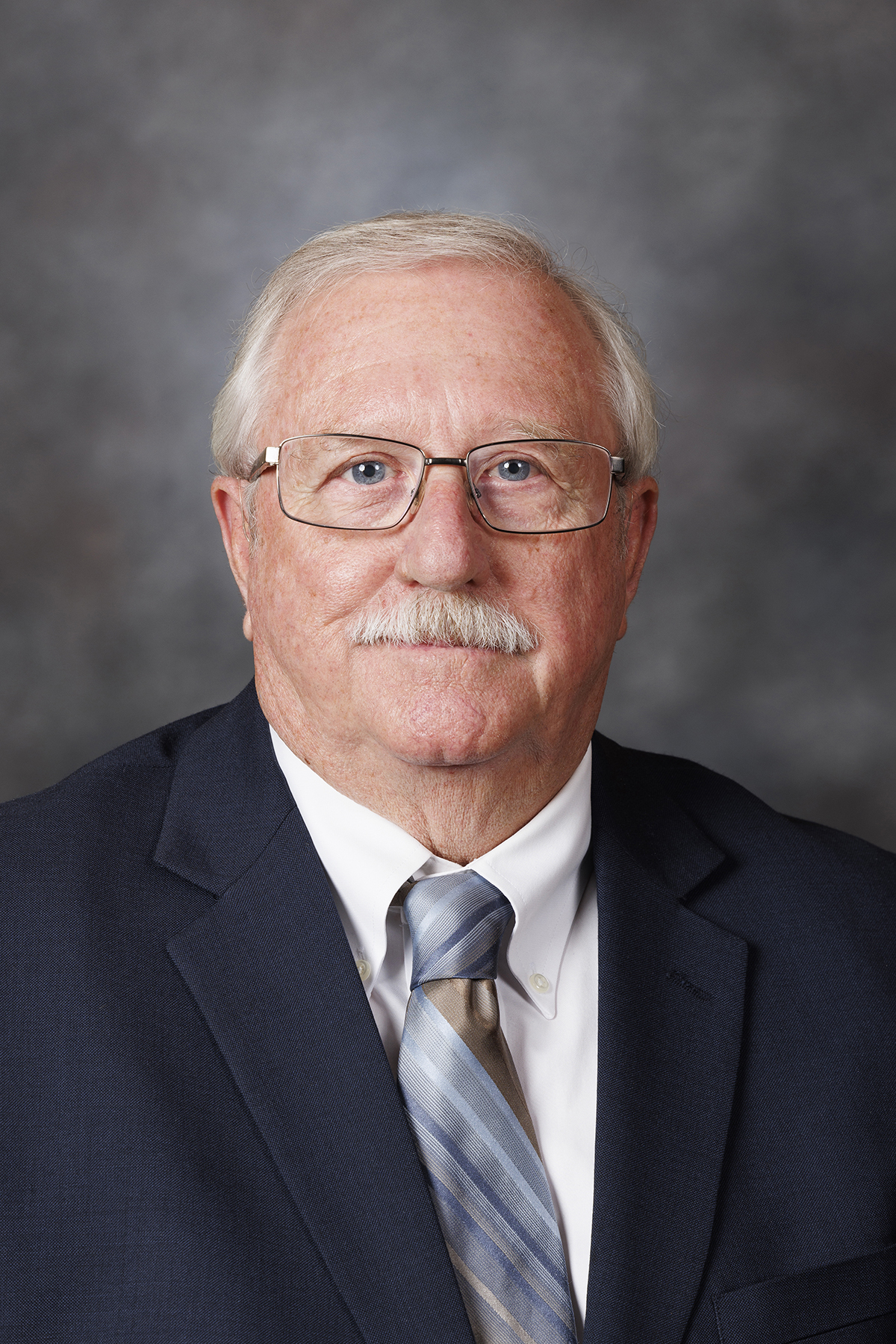
Bob Andersen
Bob Andersen House · District 49
N
Strong +
100% 5
Danielle Conrad
Danielle Conrad House · District 46
N
Strong +
100% 5
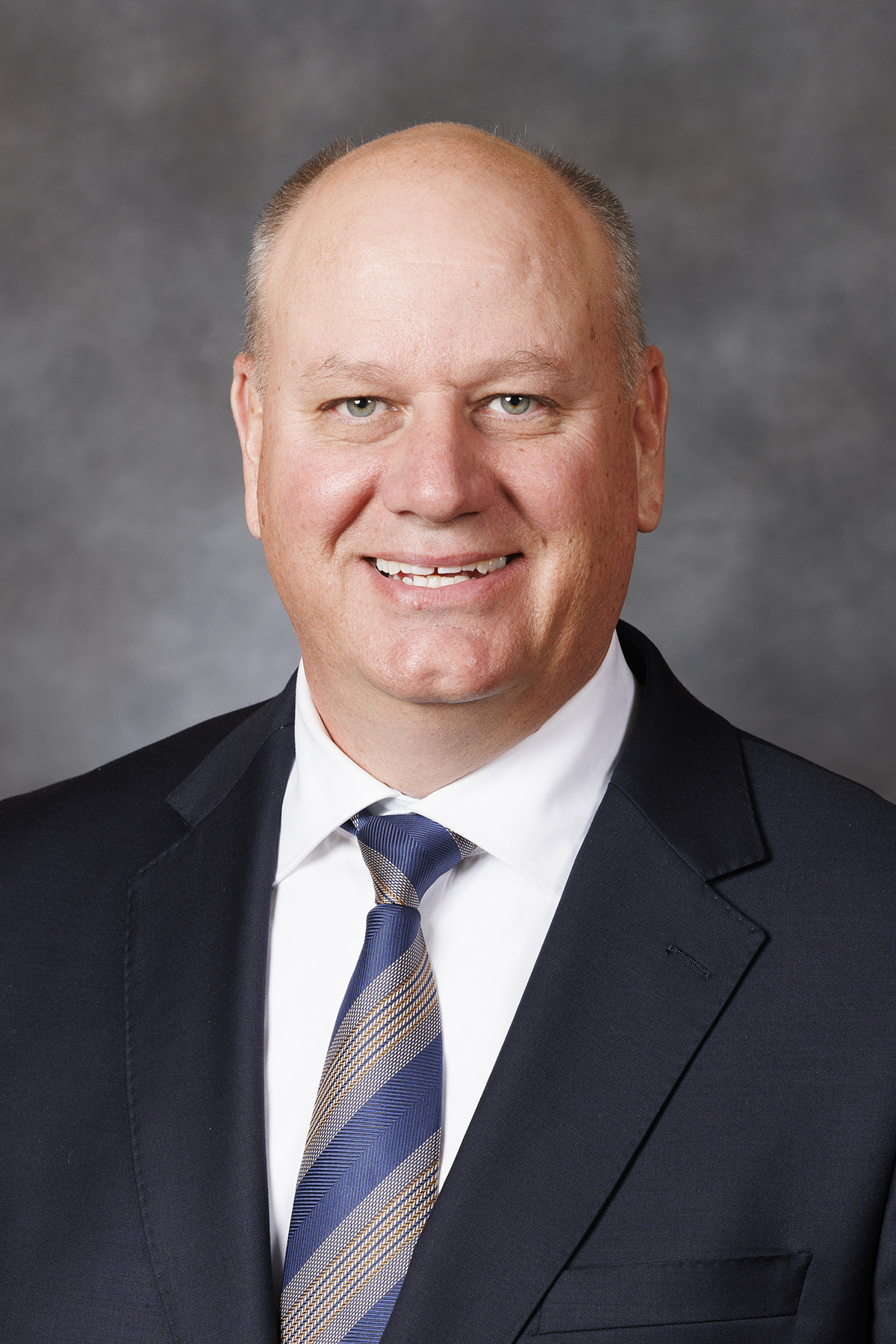
Glen Meyer
Glen Meyer House · District 17
N
Strong +
100% 5
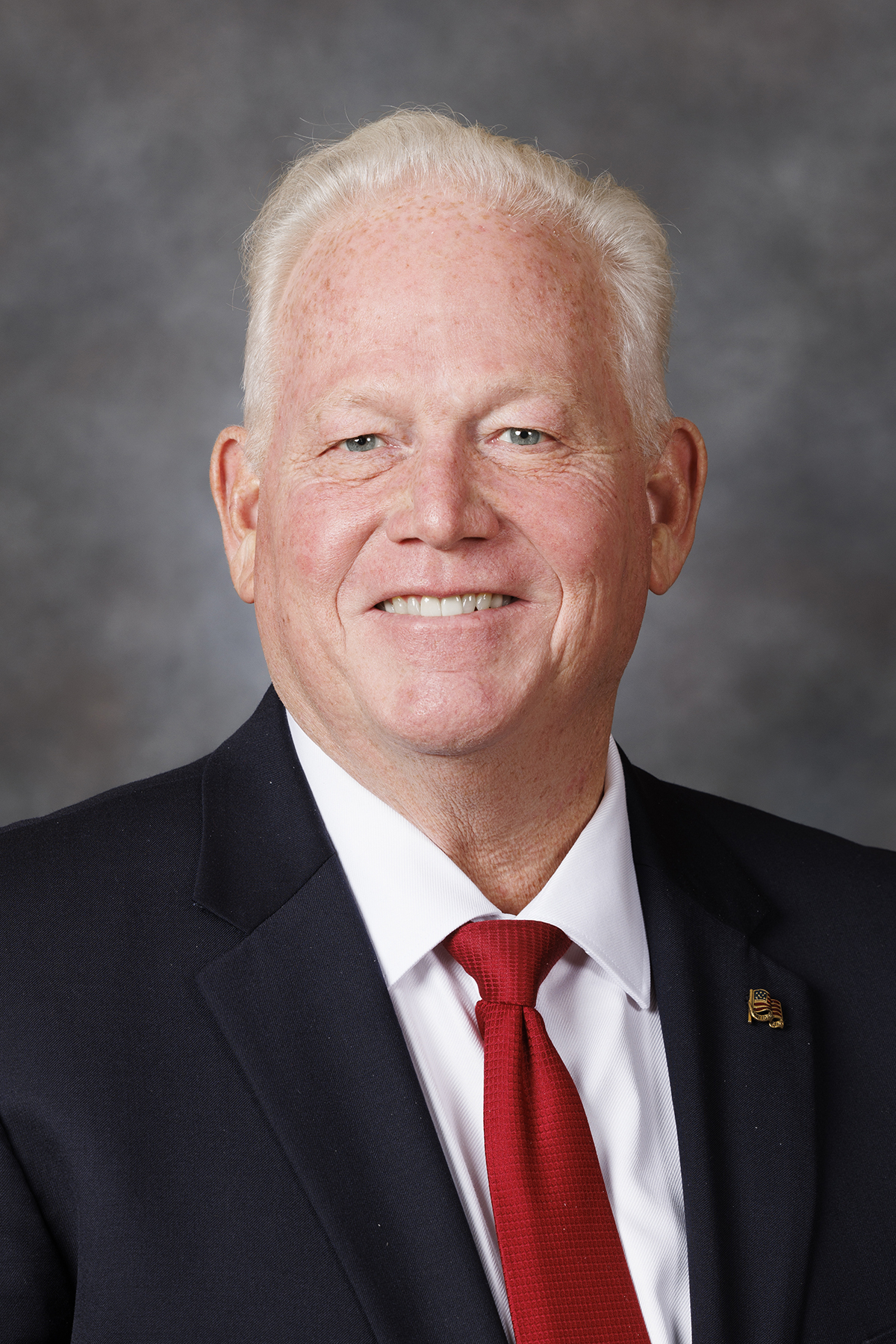
Carolyn Bosn
Carolyn Bosn House · District 25
N
Strong −
0% 4
Jared Storm
Jared Storm House · District 23
N
Strong −
0% 4
Mike Jacobson
Mike Jacobson House · District 42
N
Strong −
0% 4
Tony Sorrentino
Tony Sorrentino House · District 39
N
Strong −
0% 4
Christy Armendariz
Christy Armendariz House · District 18
N
Strong −
20% 5
Showing 1–10 of 20 bills

All healthcare bills

signed · Nebraska · Legislature Apr 17, 2026

LB 912: Adopt the Community Health Worker Training Endorsement Act, the Athletic Trainer Compact, and the Respiratory Care Interstate Compact, change provisions relating to child care licensing and the practice of athletic training, respiratory care, massage therapy, medical radiography, nurse practitioners, pharmacy, and pharmacists, provide for liens for physical therapy services and automated pickup kiosks for certain prescription medication, and eliminate provisions relating to physician liability for physician assistants

LB 912, the Community Health Worker Training Endorsement Act, establishes a state system to recognize community health worker (CHW) training programs that meet minimum quality standards. It directly affects CHW training programs and the workers they prepare, enabling these programs to qualify for reimbursement by Medicaid and private insurers. The bill requires the Department of Health and Human Services to develop rules by December 2026 defining core competencies, application processes, fees, and oversight for program endorsement. Crucially, it clarifies that this endorsement does not create licensure or certification for CHWs, nor does it expand the scope of practice for licensed health professionals. The key change is creating a standardized pathway for CHW services to be covered by insurance, improving access to community-based health support.
died · Nebraska · Legislature Apr 17, 2026

LB 796: Change provisions relating to the practice of pharmacy

This bill amends Nebraska's Pharmacy Practice Act (section 38-2850) to clarify and update exemptions from pharmacy licensing requirements. It specifically adds 11 detailed exemptions, including allowing nurse practitioners, physician assistants, and certified nurse midwives to dispense certain medications without a pharmacy license under defined conditions (e.g., for samples provided by manufacturers at no charge). The bill also clarifies that veterinarians, optometrists, hospital nurses, and medical gas providers may operate within their existing scopes without pharmacy licensure. These changes directly affect healthcare providers, pharmacies, and patients by defining who may legally dispense medications under specific circumstances. The amendment replaces the previous section, streamlining the legal framework for pharmacy practice.
signed · Nebraska · Legislature Apr 17, 2026

LB 867: Change provisions relating to special needs trusts, fingerprints under the Uniform Credentialing Act, child care grants, the Title IV-D Division Customer Service Unit, eligibility for young adults in the bridge to independence program, licensed and self-funded insurers under the Medical Assistance Act, medicaid nursing facility rates, assistance to aged, blind, or disabled persons, and the state Commodity Supplemental Food program; provide for a money follows the person program for medicaid benefits, a youth afterschool eligibility letter for child care employment, use of wholesale drug distributor license fees for the prescription drug monitoring program, and maintenance of epinephrine by certain schools; change provisions of and rename the Alzheimer's Disease and Other Dementia Support Act , the Alzheimer's Disease and Other Dementia Advisory Council, the State Advisory Committee on Mental Health, the Division of Developmental Disabilities of the Department of Health and Human Services, and the Director of Developmental Disabilities; and eliminate provisions relating to divisions of the Department of Health and Human Services, the Division of Medicaid and Long-Term Care Advisory Committee on Aging, the Maternal and Child Health and Public Health Work Fund, and an obsolete Nurse Licensure Compact

LB 867 amends multiple Nebraska statutes governing health and human services programs administered by the Department of Health and Human Services. It directly affects individuals receiving state benefits, including those in medical assistance, child care, and the "Bridge to Independence" program for young adults. Key changes include eliminating spousal asset requirements for medical assistance, adjusting eligibility for the Bridge to Independence program, modifying child care grant funding, and removing obsolete provisions like the Maternal and Child Health Work Fund. The bill also repeals outdated rules, such as the Nurse Licensure Compact and certain fingerprint requirements under the Uniform Credentialing Act.
died · Nebraska · Legislature Apr 17, 2026

LB 1234: Adopt the Freestanding Birth Center Act

LB 1234 establishes licensing requirements for freestanding birth centers in Nebraska, which provide pregnancy and birth care outside hospitals for low-risk pregnancies. The bill requires these centers to be licensed by the state, employ a certified nurse midwife as clinical director, and limit services to uncomplicated pregnancies with spontaneous vaginal deliveries - excluding hospital-style anesthesia or extended stays. It sets a $250 annual licensing fee, prohibits unlicensed facilities from using the term "birth center," and defines "low-risk pregnancy" as one with no anticipated medical complications. This directly affects patients seeking non-hospital birth options and birth centers aiming to operate legally within the state.
died · Nebraska · Legislature Apr 17, 2026

LB 936: Provide for the use of fluoroscopy by medical radiographers in collaboration with nurse practitioners under the Uniform Credentialing Act

LB 936 amends Nebraska law to allow nurse practitioners (NPs) to use fluoroscopy for procedural guidance and authorized duties after completing approved training, and clarifies that medical radiographers may collaborate with NPs in fluoroscopy procedures. The bill directly affects NPs, medical radiographers, and patients receiving imaging services in clinical settings. Key provisions require NPs to complete joint department/board-approved education before using fluoroscopy and specify that radiographers must work under NP direction or collaboration during these procedures. It repeals prior restrictions that limited fluoroscopy use to nurse anesthetists and updates the Uniform Credentialing Act requirements. This creates a formal framework for NPs and radiographers to work together on fluoroscopy-based care.
signed · Nebraska · Legislature Jun 6, 2025

LB 332: Provide for assistant funeral directors, change scope of practice and regulatory provisions regarding funeral directing and embalming, hearing instrument specialists, and audiologists, change membership provisions for the Board of Pharmacy, change provisions regarding delegated dispensing permits and prescription refills, provide medicaid coverage for psychology services, and establish the Rural Health Opportunity Program

LB 332 creates a new "assistant funeral director" role to support licensed funeral directors, allowing assistants to help with funeral arrangements and management under direct supervision but prohibiting embalming (Sections 4-8). The bill expands Medicaid coverage to include psychology services provided by qualified practitioners and establishes the Rural Health Opportunity Program requiring a memorandum of understanding (Sections 38-1509, 38-1512). It also updates regulations for hearing instrument specialists, changes pharmacy board membership rules, and modifies prescription refill requirements. These changes directly affect funeral service professionals, healthcare providers, and Medicaid recipients in Nebraska.
signed · Nebraska · Legislature Jun 6, 2025

LB 257: Change licensure and scope of practice provisions regarding marriage and family therapy and occupational therapy and licensure requirements under the Child Care Licensing Act

This bill updates licensing rules for therapists and child care providers in Nebraska. It creates a new pathway for marriage and family therapists licensed in other states to obtain Nebraska licenses by meeting requirements (like passing a Nebraska jurisprudence exam), without needing to retake all exams. It also clarifies the scope of practice for occupational therapists by defining specific treatment modalities (like electrotherapeutic devices). Additionally, it changes liability insurance requirements for child care facility licensees and inspectors under the Child Care Licensing Act. These changes directly affect therapists seeking to practice in Nebraska and child care providers operating under state licensing rules.
signed · Nebraska · Legislature Apr 8, 2025

LB 195: Provide immunity for administration of naloxone, nalmefene, or other federally approved opioid overdose reversal medications

This bill, LB 195, grants legal immunity to individuals who administer opioid overdose reversal medications (like naloxone or nalmefene) in good faith during an overdose emergency. It directly protects health professionals (doctors, nurses, pharmacists), family members, friends, school staff, emergency responders, and police officers who obtain and use these medications appropriately. Key provisions shield them from criminal prosecution, administrative action, or civil liability when acting reasonably to assist someone experiencing or likely to experience an opioid overdose. The law specifically covers medications approved by the FDA for reversing overdoses, whether obtained via prescription, from a health professional, or over the counter.
signed · Nebraska · Legislature Mar 12, 2025

LB 42: Provide for employment of nurse aides in intellectual and developmental disability facilities

This bill establishes minimum training requirements for nurse aides working in Nebraska's intellectual and developmental disability facilities. It mandates a 20-hour training program (including 15 hours of personal care training) for these facilities, compared to 75 hours for other nursing homes. Nurse aides must also meet English proficiency standards and pass background checks. The law replaces prior requirements and creates a registry with mandatory abuse reporting training as part of the curriculum.
died · Nebraska · Legislature Apr 17, 2026

LB 374: Adopt the Licensed Midwives Practice Act

LB 374 creates a new Licensed Midwives Practice Act in Nebraska, replacing the outdated "Licensed Midwives Practical Nurse-Certified" designation with a dedicated midwifery licensing framework. The bill adds "professional midwifery" to the list of regulated professions under Nebraska's Uniform Credentialing Act, establishing specific standards for midwife licensure, practice, and background checks. It directly affects midwives seeking or renewing licenses in Nebraska by requiring them to meet the new practice act's requirements instead of the previous, less specific rules. The bill harmonizes midwifery regulation with other healthcare professions and repeals the prior sections governing midwifery practice.
Showing 1 to 10 of 20 bills
1 2 Next