Issue · Healthcare

Healthcare

Every healthcare bill, vote, and legislator stance in Nebraska, automatically classified by Maddy, our AI policy reader.

Total bills
242
109th Legislature (2025-2026)
Top supporter
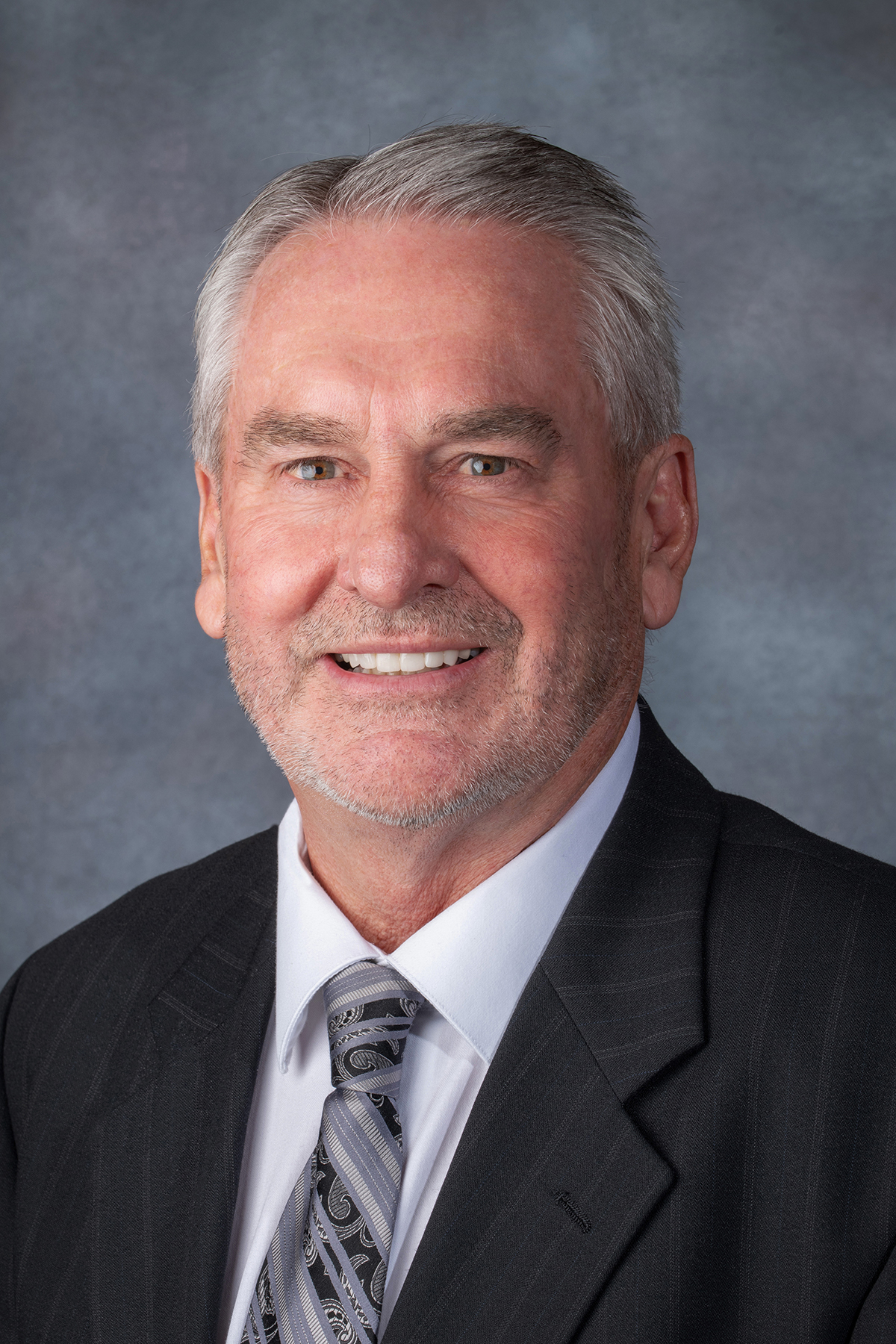
Dan Quick
81% support rate
Top opponent
Rob Clements
36% support rate
Ranked legislators
10
5 support · 5 oppose
Key legislators

Who's moving healthcare in Nebraska

Legislators moving healthcare in Nebraska
Legislator Party Stance Support rate Votes
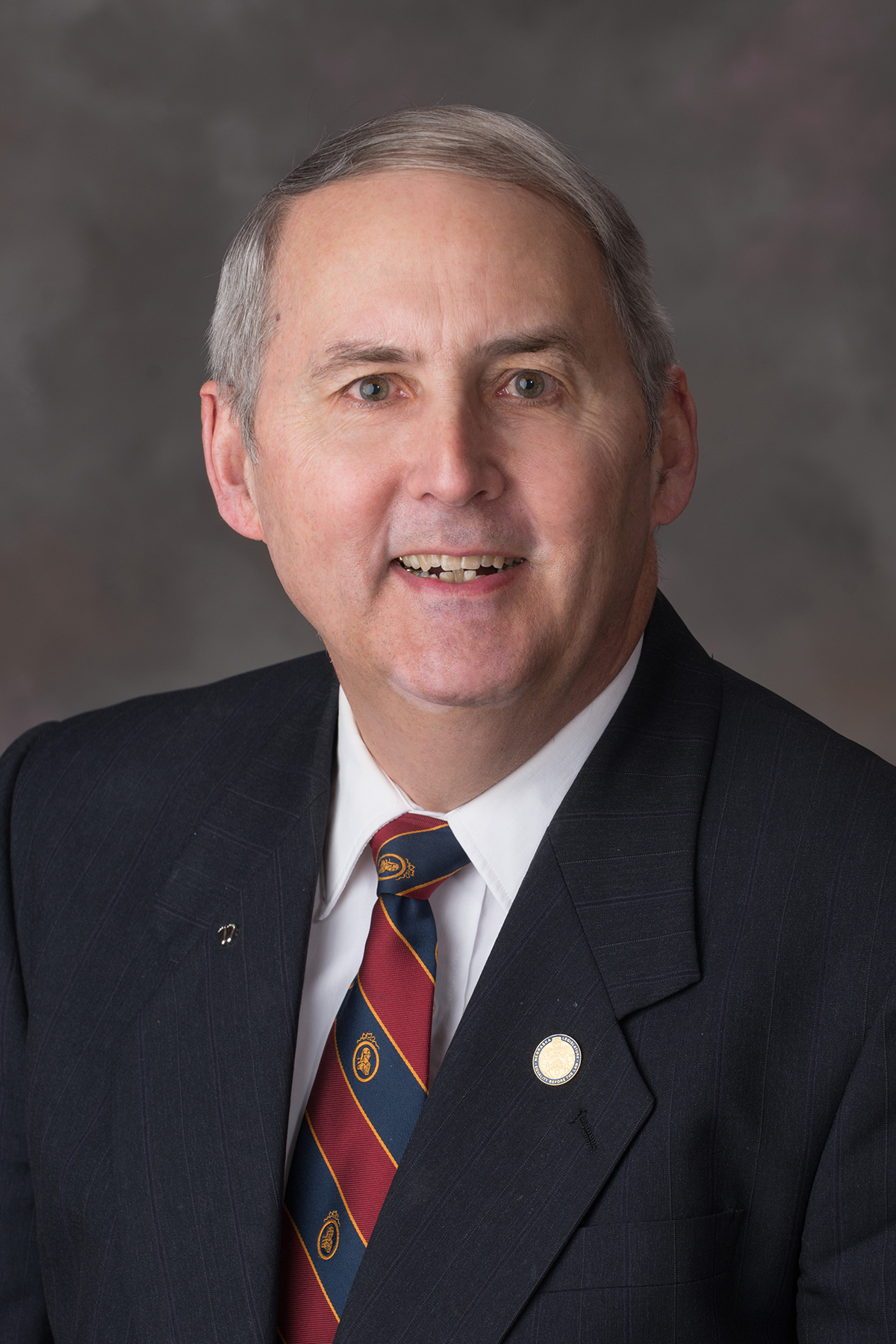
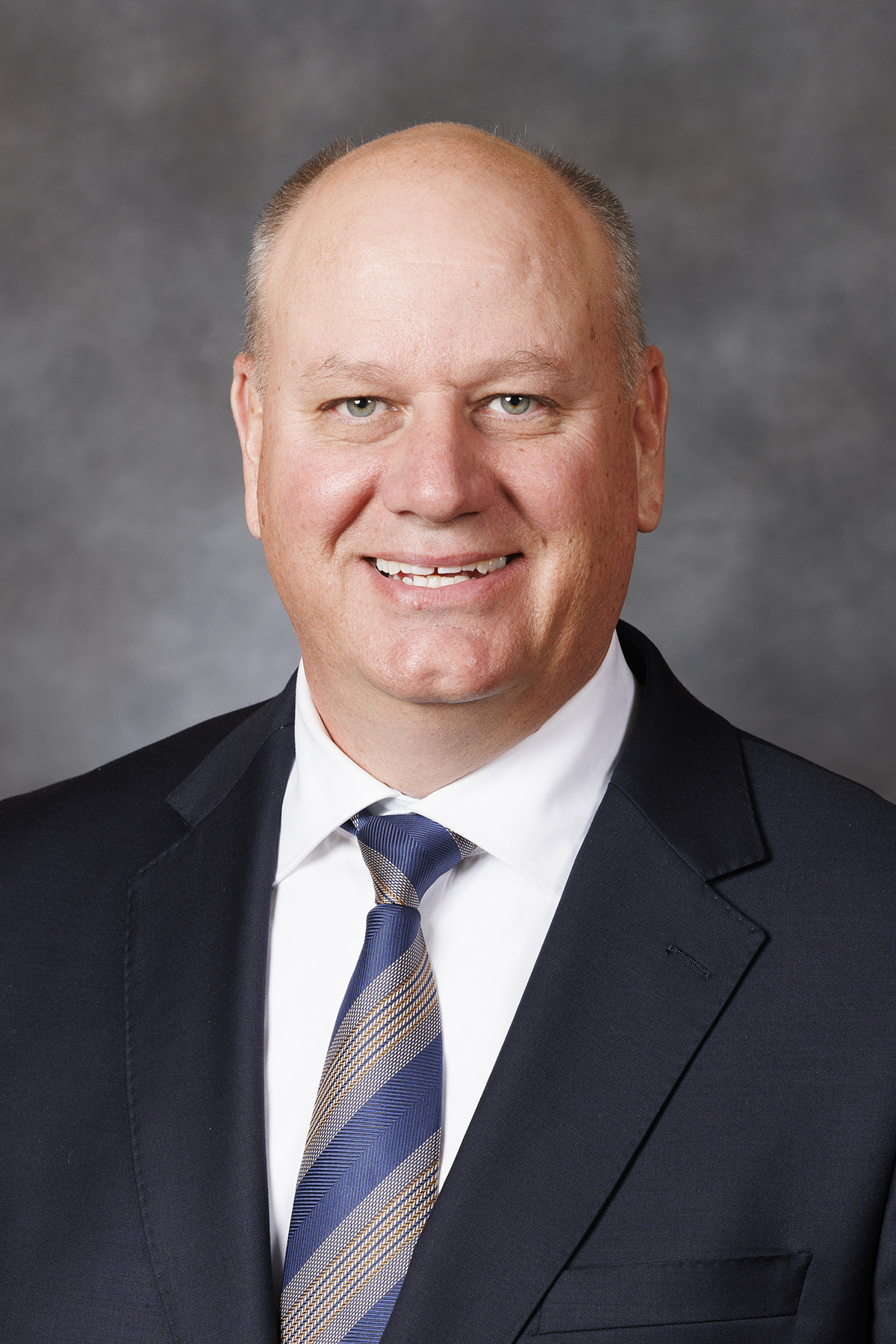
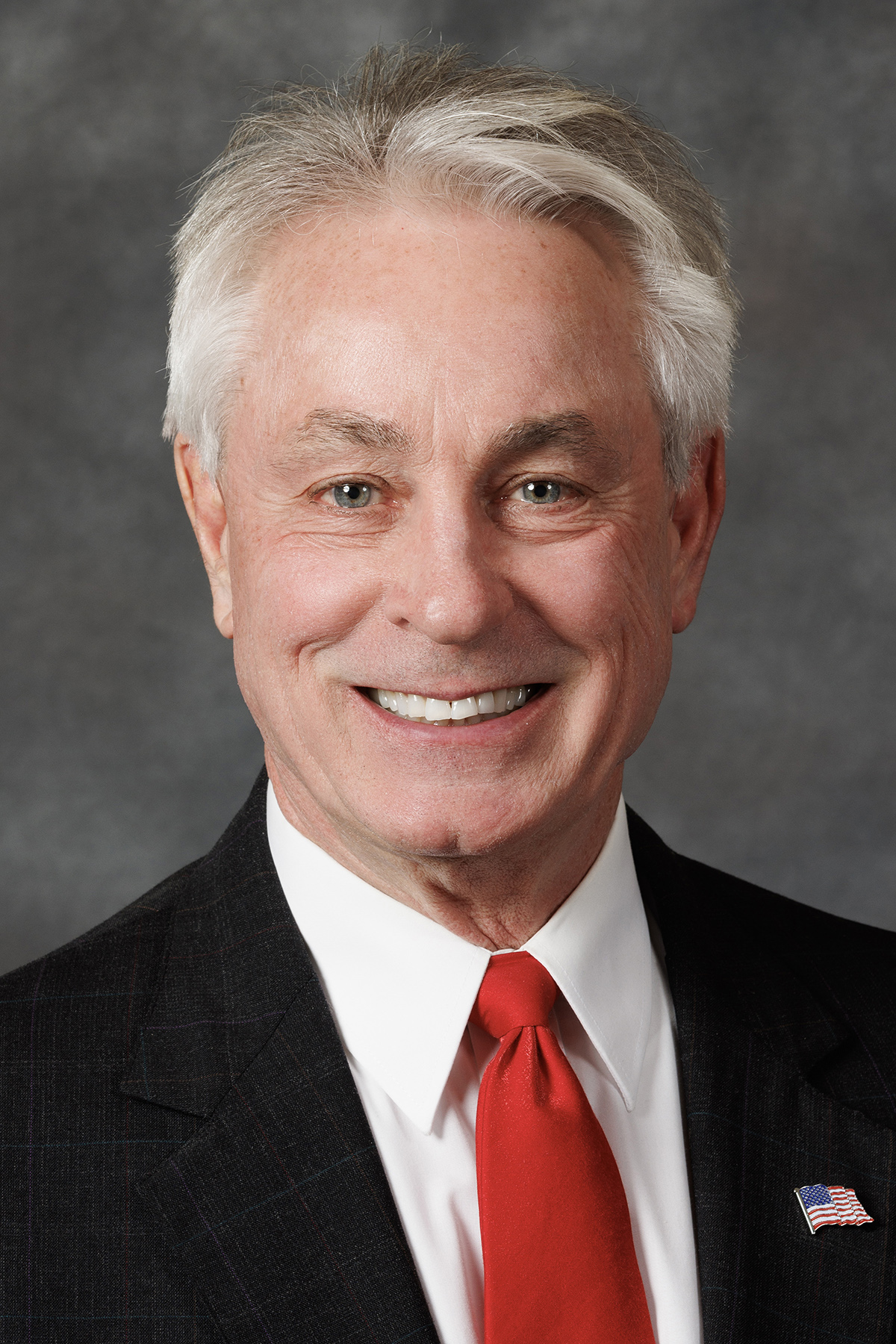
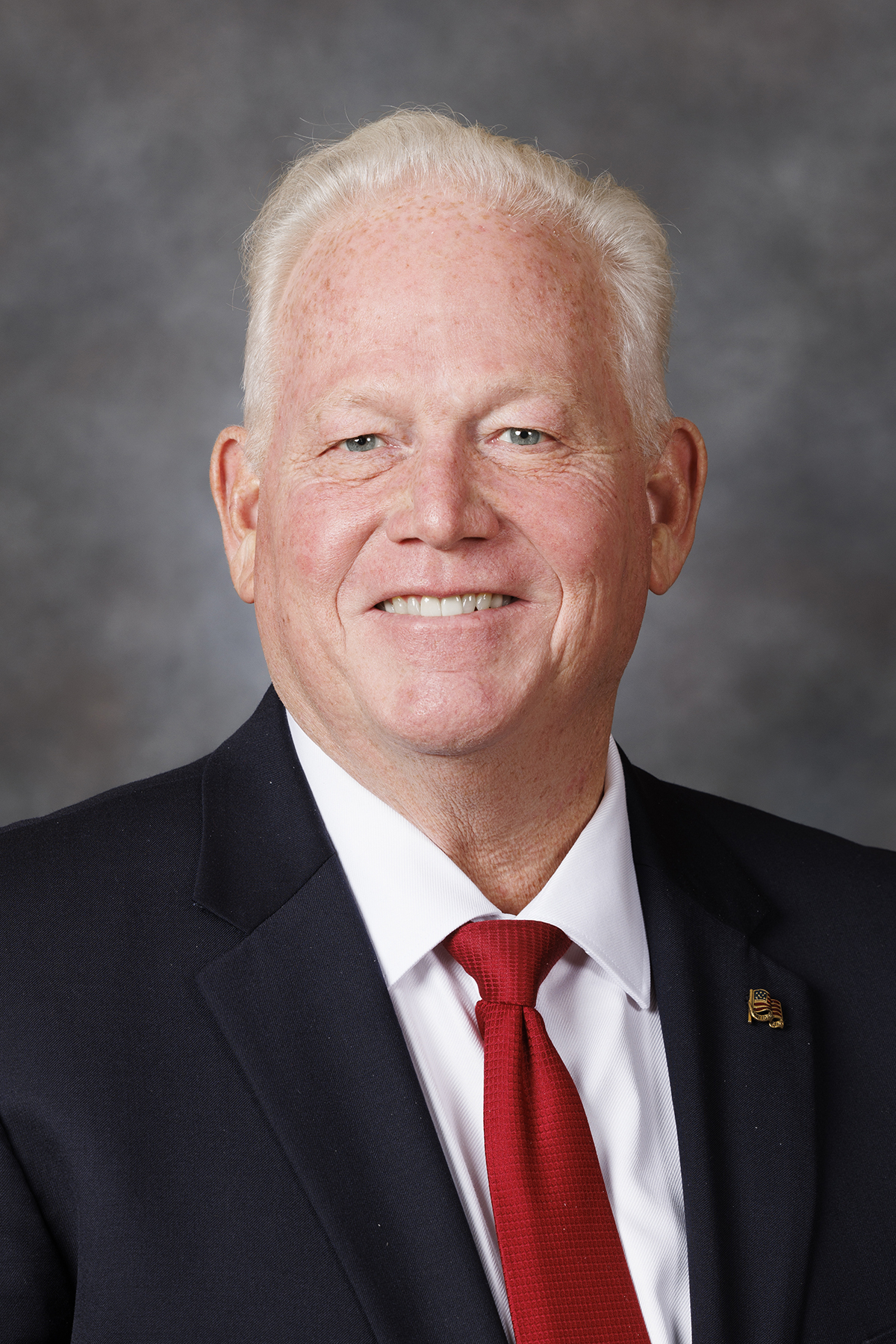
Dan Quick
Dan Quick House · District 35
N
Strong +
81% 135
Eliot Bostar
Eliot Bostar House · District 29
N
Support
79% 129
Machaela Cavanaugh
Machaela Cavanaugh House · District 6
N
Support
79% 162
Myron Dorn
Myron Dorn House · District 30
N
Support
77% 201
Ashlei Spivey
Ashlei Spivey House · District 13
N
Support
77% 148
Rob Clements
Rob Clements House · District 2
N
Oppose
36% 202
Jared Storm
Jared Storm House · District 23
N
Oppose
37% 188
Loren Lippincott
Loren Lippincott House · District 34
N
Oppose
38% 191
Bob Andersen
Bob Andersen House · District 49
N
Oppose
38% 203
Dave Murman
Dave Murman House · District 38
N
Oppose
39% 191
Showing 111–120 of 242 bills

All healthcare bills

signed · Nebraska · Legislature May 21, 2025

LB 641: Change provisions relating to medicaid estate recovery

Nebraska's LB 641 amends Medicaid estate recovery rules to protect certain family members' homes from being seized to repay medical assistance costs after a recipient's death. The bill specifically exempts homes from recovery if a sibling lived there continuously for one year before the recipient's institutionalization or if an adult child provided care while living in the home for two years prior to institutionalization. To qualify for these exemptions, a physician's written attestation must verify the care provided that delayed institutionalization. The changes clarify which family members retain home ownership protections and require specific documentation to avoid estate recovery claims.
Sub-Topics Substance Abuse
signed · Nebraska · Legislature Jun 6, 2025

LB 332: Provide for assistant funeral directors, change scope of practice and regulatory provisions regarding funeral directing and embalming, hearing instrument specialists, and audiologists, change membership provisions for the Board of Pharmacy, change provisions regarding delegated dispensing permits and prescription refills, provide medicaid coverage for psychology services, and establish the Rural Health Opportunity Program

LB 332 creates a new "assistant funeral director" role to support licensed funeral directors, allowing assistants to help with funeral arrangements and management under direct supervision but prohibiting embalming (Sections 4-8). The bill expands Medicaid coverage to include psychology services provided by qualified practitioners and establishes the Rural Health Opportunity Program requiring a memorandum of understanding (Sections 38-1509, 38-1512). It also updates regulations for hearing instrument specialists, changes pharmacy board membership rules, and modifies prescription refill requirements. These changes directly affect funeral service professionals, healthcare providers, and Medicaid recipients in Nebraska.
signed · Nebraska · Legislature Jun 2, 2025

LB 346: Provide for termination of boards, commissions, committees, councils, funds, groups, panels, and task forces and change and eliminate funds and powers and duties of departments and agencies

This bill eliminates numerous state advisory groups, boards, and commissions - including the Climate Assessment Response Committee, Women's Health Initiative Advisory Council, and Palliative Care Act - and removes their funding. It also modifies department responsibilities, such as adjusting the Board of Mental Health Practice and the Department of Health and Human Services. The bill specifically terminates the Whiteclay Public Health Emergency Task Force and streamlines overlapping government structures by repealing obsolete provisions. These changes aim to simplify state agency operations by removing redundant entities and consolidating functions.
signed · Nebraska · Legislature Jun 6, 2025

LB 257: Change licensure and scope of practice provisions regarding marriage and family therapy and occupational therapy and licensure requirements under the Child Care Licensing Act

This bill updates licensing rules for therapists and child care providers in Nebraska. It creates a new pathway for marriage and family therapists licensed in other states to obtain Nebraska licenses by meeting requirements (like passing a Nebraska jurisprudence exam), without needing to retake all exams. It also clarifies the scope of practice for occupational therapists by defining specific treatment modalities (like electrotherapeutic devices). Additionally, it changes liability insurance requirements for child care facility licensees and inspectors under the Child Care Licensing Act. These changes directly affect therapists seeking to practice in Nebraska and child care providers operating under state licensing rules.
signed · Nebraska · Legislature Jun 6, 2025

LB 150: Adopt the Regional Mental Health Expansion Pilot Program Act, provide for a pilot program related to mental health, prohibit discrimination based on military or veteran status, and change and eliminate provisions relating to garnishment, liens, post-release supervision, sexual abuse by school workers, criminal mischief, discovery in criminal cases, habitual sentencing enhancements, veterans justice programs, paternity proceedings, handgun purchase requirements, correctional system overcrowding emergencies, the Division of Parole Services, the Nebraska Mental Health Commitment Act, and the Sex Offender Commitment Act

LB 150 creates a pilot program where mental health professionals assist police during mental health emergencies, directly affecting law enforcement agencies and individuals in crisis. It eliminates the Division of Parole Supervision and its director position, transferring those responsibilities to the Department of Correctional Services. The bill also updates legal definitions (like changing "school employee" to "school worker" for sexual abuse offenses), removes minimum post-release supervision for certain felonies, and modifies debt collection rules. It makes numerous other technical changes across Nebraska law, including updating veterans' justice program provisions and mental health commitment act procedures.
died · Nebraska · Legislature Apr 17, 2026

LB 99: Limit use of restrictive housing and solitary confinement

Nebraska's LB 99 limits restrictive housing and solitary confinement in state correctional facilities. It prohibits holding any inmate in restrictive housing for more than 15 consecutive days and bans placing vulnerable populations - including minors, pregnant people, and those with serious mental illness, developmental disabilities, or traumatic brain injuries - in restrictive housing (Section 83-173.03). The bill defines restrictive housing as conditions with less than 10 hours of out-of-cell time daily and solitary confinement as 22+ hours in a cell with no visual/auditory contact or restricted activities (Section 83-4,114). It requires facilities to develop individualized transition plans for inmates moving from restricted housing back to general population. The law directly affects all incarcerated individuals in Nebraska's correctional system, with specific protections for medically vulnerable inmates.
Sub-Topics Corrections
died · Nebraska · Legislature Apr 17, 2026

LB 73: Change the number of hours of annual continuing education required for law enforcement officers

LB 73 changes continuing education requirements for Nebraska law enforcement officers. It increases annual hours from 20-28 to 32 for officers in counties with over 40,000 residents (as per census data), while maintaining 20 hours for officers in smaller counties. The bill mandates specific training including de-escalation, mental health, anti-bias education, firearms, and legal updates. The changes take effect January 1, 2026, and apply to all certified officers except those newly certified or retiring in the same year.
Sub-Topics Law Enforcement
signed · Nebraska · Legislature Jun 6, 2025

LB 264: Provide, change, and eliminate transfers from the Cash Reserve Fund and various other funds and change, terminate, and eliminate various statutory programs

Nebraska's LB 264 moves specific state funds into the General Fund to support broader state operations. The bill requires transferring $8.25 million from the State Insurance Fund, $25.5 million from the Military Installation Fund, and over $32 million from the Water Recreation Fund, among other specified amounts, by mid-2025 or 2026. These transfers affect state financial accounts, redirecting money from specialized funds like recreation, economic development, and medical spending programs. The bill also eliminates several programs and outdated provisions, but its primary action is reallocating existing state funds.
Sub-Topics State Budget
died · Nebraska · Legislature Apr 17, 2026

LB 583: Change provisions relating to the rate and disbursement of the documentary stamp tax, the Child Care Grant Fund, child care grants, the Military Installation Development and Support Fund, the Affordable Housing Trust Fund, the Innovation Hub Cash Fund, the Economic Recovery Contingency Fund, and the Health Care Homes for the Medically Underserved Fund

LB 583 adjusts how Nebraska's documentary stamp tax revenue funds seven existing programs, including the Child Care Grant Fund, Military Installation Development Fund, and Affordable Housing Trust Fund. It harmonizes rules across these funds, such as setting a $15,000 maximum for child care grants (no more than once every three years) and requiring matching funds for military installation projects. The bill specifies that tax revenue must be distributed to designated programs, like $100,000 annually for veterans' mental health services under the Military Fund. These changes streamline administration and clarify funding allocations without creating new programs or altering eligibility criteria.
died · Nebraska · Legislature Apr 17, 2026

LB 165: Authorize syringe services programs in municipalities and counties and provide exceptions to penalties related to drug paraphernalia under the Uniform Controlled Substances Act

Nebraska's LB 165 authorizes municipalities and counties to establish syringe services programs (SSPs) through local ordinances, allowing them to provide sterile syringes, safe disposal, overdose prevention resources, and referrals to health services for individuals aged 18+ who inject drugs. The bill requires SSPs to avoid locations within 500 feet of schools, childcare facilities, or public recreation centers and mandates specific services like naloxone access and substance use disorder referrals. It amends state law to exempt SSP staff and participants from drug paraphernalia penalties when handling syringes or needles as part of the program, while repealing prior sections of the Uniform Controlled Substances Act. This legislation directly affects public health programs, participants, and law enforcement by creating a legal framework for harm reduction services.
Showing 111 to 120 of 242 bills
Previous 1 11 12 13 25 Next