Issue · Criminal Justice

Criminal Justice (Probation & Parole)

Every criminal justice bill, vote, and legislator stance in Nebraska, automatically classified by Maddy, our AI policy reader.

Total bills
27
109th Legislature (2025-2026)
Top supporter
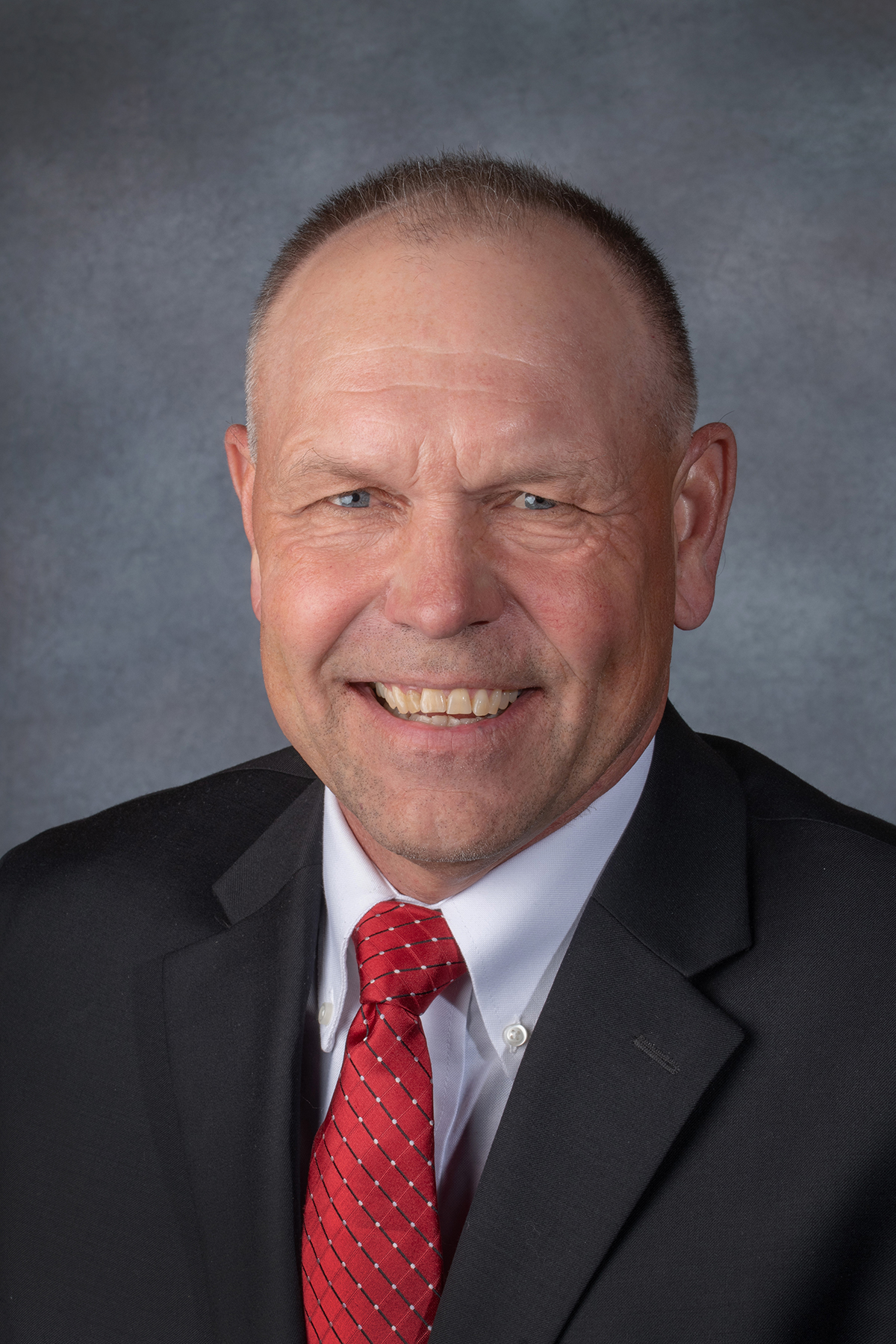
Tom Brandt
85% support rate
Top opponent
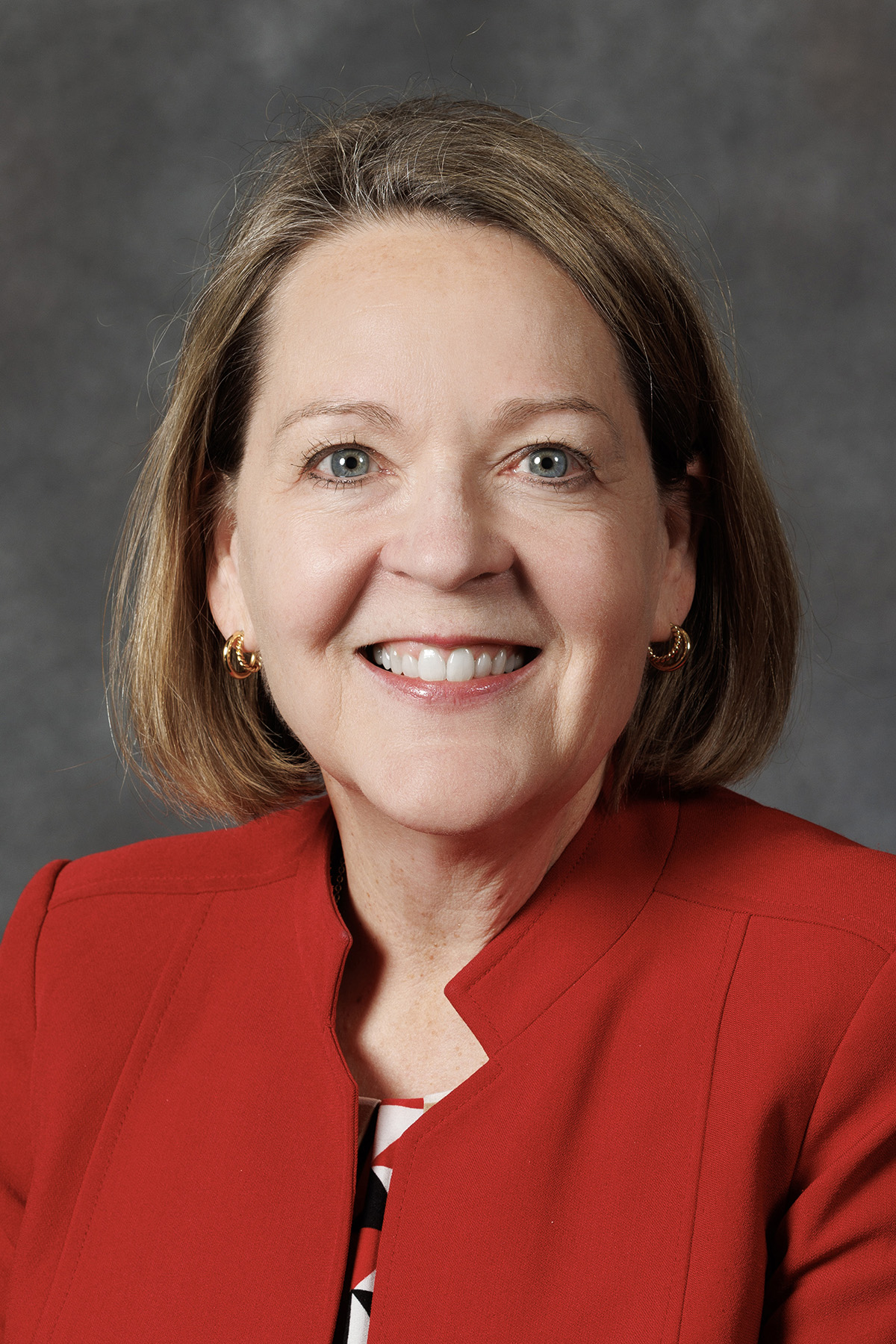
Jane Raybould
25% support rate
Ranked legislators
10
5 support · 5 oppose
Key legislators

Who's moving probation & parole in Nebraska

Legislators moving probation & parole in Nebraska
Legislator Party Stance Support rate Votes
Tom Brandt
Tom Brandt House · District 32
N
Strong +
85% 20
Barry DeKay
Barry DeKay House · District 40
N
Support
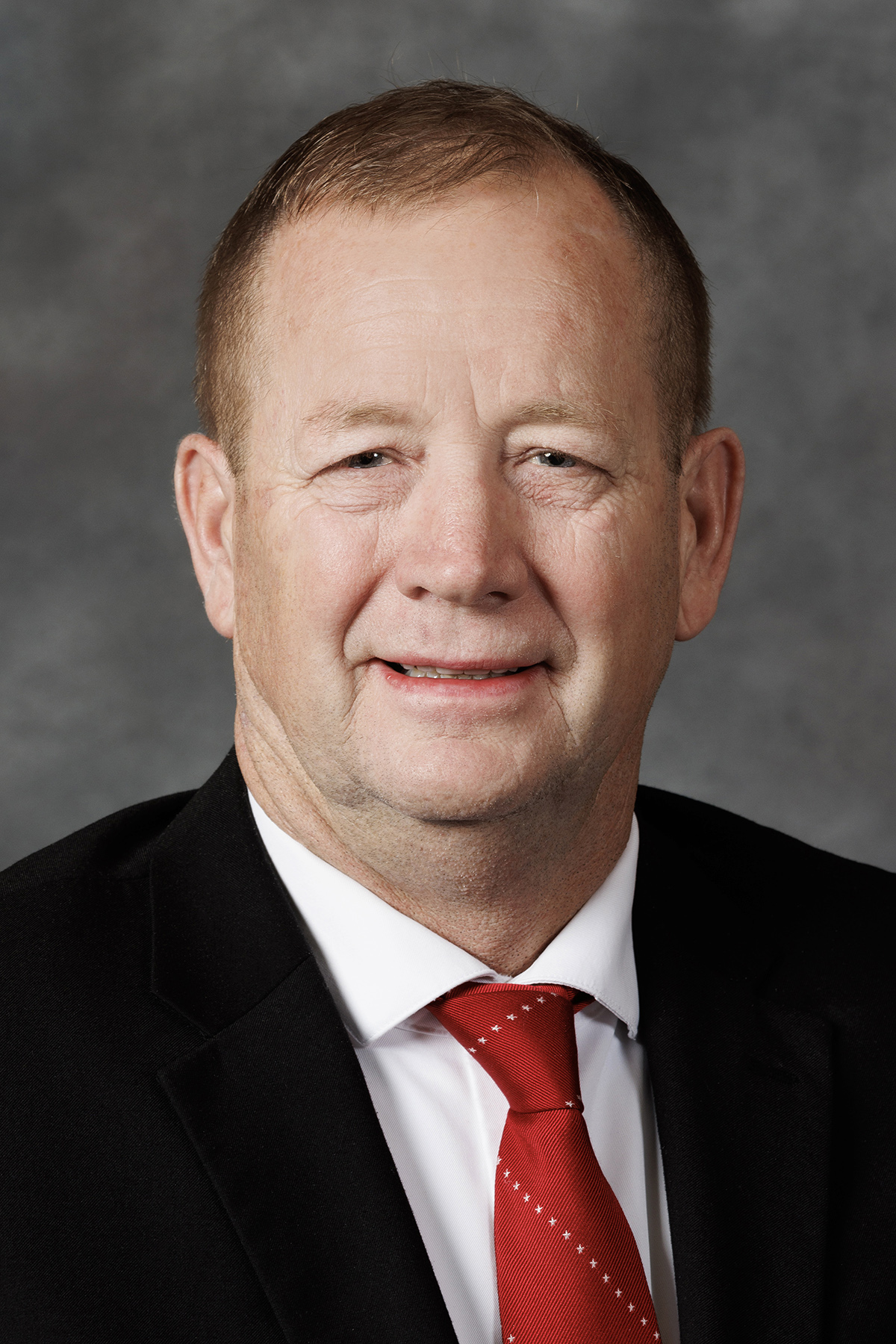
75% 20
Robert Dover
Robert Dover House · District 19
N
Support
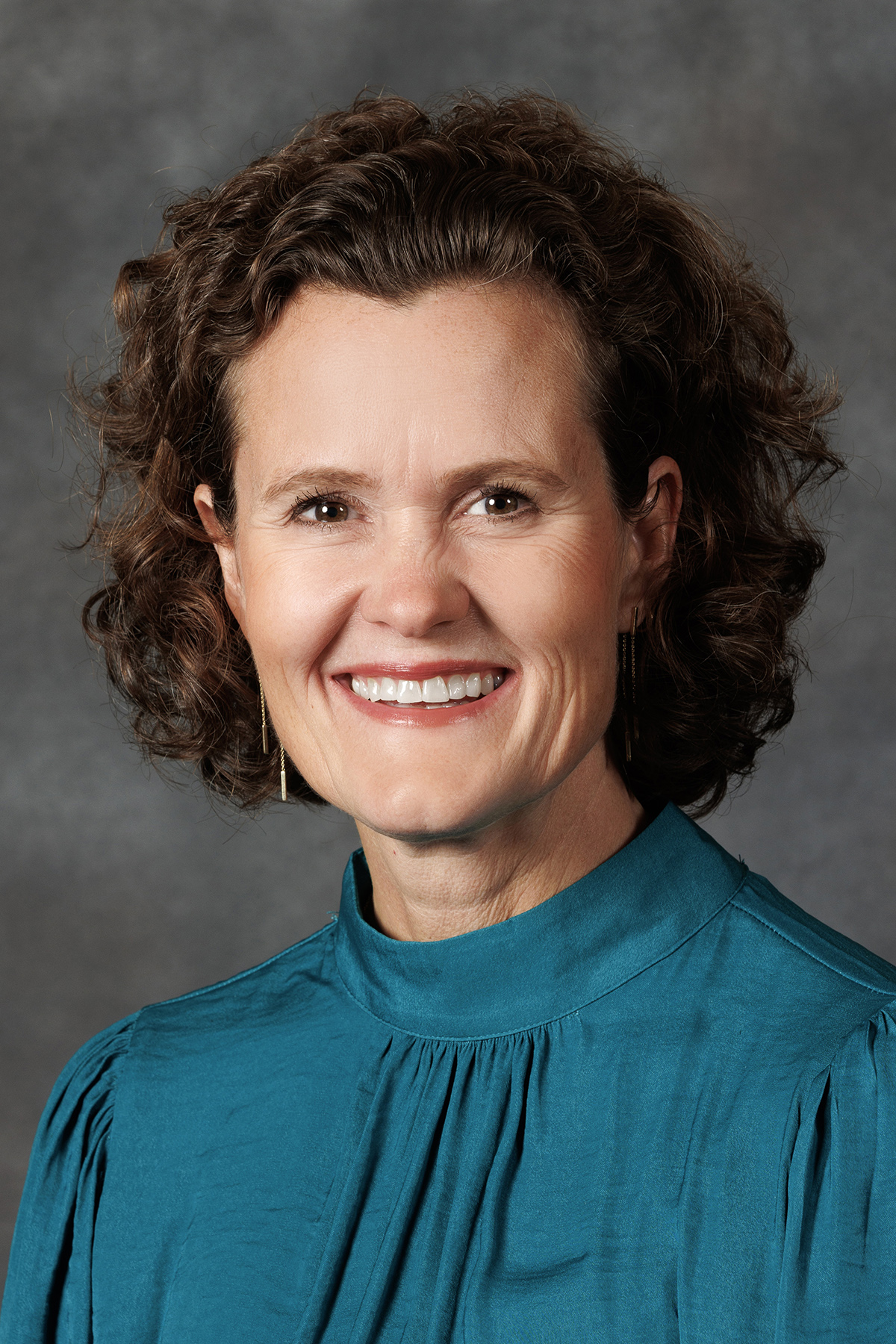
75% 12
Merv Riepe
Merv Riepe House · District 12
N
Support
74% 19
Jana Hughes
Jana Hughes House · District 24
N
Support
71% 21
Jane Raybould
Jane Raybould House · District 28
N
Oppose
25% 16
Machaela Cavanaugh
Machaela Cavanaugh House · District 6
N
Oppose
39% 18
Danielle Conrad
Danielle Conrad House · District 46
N
Mixed −
41% 22
Dunixi Guereca
Dunixi Guereca House · District 7
N
Mixed −
41% 17
Dan Quick
Dan Quick House · District 35
N
Mixed −
44% 18
Showing 1–10 of 27 bills

All criminal justice bills

in committee · Nebraska · Legislature Mar 30, 2026

LR 425: Interim study to examine the rehabilitation and treatment of youth and the transition back to their communities

This legislative resolution directs the Health and Human Services Committee to conduct an interim study on how youth are rehabilitated and reintegrated into their communities. The study will examine various aspects including types of programming and placement, community-based services, probation roles, education, and fiscal impacts. The committee is tasked with reviewing state programs and historical background before submitting findings and recommendations to the Legislature. This action focuses on gathering information rather than implementing immediate policy changes.
Sub-Topics Juvenile Justice Probation & Parole Tags Children
died · Nebraska · Legislature Apr 17, 2026

LB 790: Change sanctions available for substance abuse violations of parole

This bill changes how Nebraska handles parole violations related to substance abuse. It requires the Department of Corrections to create a "matrix" of graduated sanctions for parolees who violate conditions related to substance use or technical violations (like missing appointments or failing tests). Instead of immediately revoking parole, officers can first impose administrative sanctions (such as more testing, counseling, or curfews) or request up to 30 days in a correctional or contract facility. The bill directly affects parolees in Nebraska who face substance abuse or technical violations, shifting the response from automatic revocation toward more structured, tiered consequences.
died · Nebraska · Legislature Apr 17, 2026

LB 752: State intent regarding appropriations to the Department of Correctional Services

This bill directs Nebraska's Legislature to reduce General Funds by $5.2 million for the Department of Correctional Services' Operations (Program 200) at the McCook Detention Facility for fiscal year 2026-27. It simultaneously requires the Department to use $5 million of General Funds for reentry and reintegration programs, covering tuition, fees, and direct costs for committed offenders. The bill directly affects the Department of Correctional Services' budget allocation and committed offenders participating in these programs. It mandates a specific reallocation of funds from facility operations to offender reentry services without creating new programs or altering eligibility.
Sub-Topics Probation & Parole
signed · Nebraska · Legislature Apr 17, 2026

LB 952: Create the Supreme Court Operations Cash Fund and terminate the Supreme Court Reports Cash Fund and the Court Appointed Special Advocate Fund

Nebraska's LB 952 creates the Supreme Court Operations Cash Fund to replace two existing funds, terminating the Supreme Court Reports Cash Fund and the Court Appointed Special Advocate Fund. The new fund will be used for court and probation programs that improve justice administration and community safety, funded by fees, grants, donations, and payments from political subdivisions for court services. The bill also eliminates obsolete provisions related to fund transfers and grants. This reorganization streamlines court funding by consolidating resources under a single operational fund. The changes take effect on the bill's operative date, with remaining funds from terminated accounts transferred to the General Fund.
died · Nebraska · Legislature Apr 17, 2026

LB 1020: Provide for and change offenses involving mobile tracking devices, stalking, unlawful intrusion, operation of unmanned aircraft systems, and swatting and eliminate the requirement that courts impose probation for Class IV felonies

This bill amends Nebraska law to address several criminal offenses. It prohibits installing mobile tracking devices on others' property without consent (with limited exceptions for parents, law enforcement, or business purposes), updates stalking penalties, restricts drone operations in sensitive areas requiring operator certification, and creates a new offense for "swatting" (false emergency reports) that mandates restitution. It also removes the mandatory probation requirement for Class IV felony convictions. The bill directly affects individuals using tracking technology, drone operators, and courts handling specific criminal cases.
signed · Nebraska · Legislature Apr 17, 2026

LB 965: Prohibit sexual abuse of a probationer or problem solving court participant and sexual abuse by a conservator, guardian, guardian ad litem, or child welfare service provider; change provisions relating to protection orders, certain offenses, attorney's fees, and victim notification requirements; and provide requirements for immunity for probation employees, Brady-Giglio disclosures, confidentiality for certain officers, registration under the Sex Offender Registration Act, county conflict counsel, and determinations of the best interest of the child

LB 965 prohibits sexual abuse of probationers, problem-solving court participants, and individuals under guardianship or child welfare services. It creates new legal protections for these vulnerable groups by defining and prohibiting such abuse by specific professionals like conservators, guardians, and child welfare providers. The bill also grants immunity to probation employees who administer naloxone for opioid overdoses and requires sex offender registration for violations related to these new prohibitions. These changes update Nebraska's criminal code to address gaps in protecting individuals under court supervision or care.
died · Nebraska · Legislature Apr 17, 2026

LB 961: Adopt the Collateral Sanction Relief Act

LB 961, the Collateral Sanction Relief Act, creates a process for individuals with completed criminal sentences to seek relief from employment barriers caused by past convictions. It directly affects people who face job disqualifications (like losing a professional license or being denied employment) due to a conviction but have finished all sentence requirements, including prison time, fines, and probation. The bill establishes a court petition process where applicants must submit personal details, employment history, references, and a statement explaining how the certificate would help them secure work; no filing fee is charged. Once approved, the certificate helps individuals overcome "collateral sanctions" like occupational license denials, allowing them to pursue employment opportunities they were previously barred from.
died · Nebraska · Legislature Apr 17, 2026

LB 994: Change provisions of the Nebraska Treatment and Corrections Act relating to good time and parole eligibility

This bill (LB 994) requires Nebraska's Department of Correctional Services to recalculate parole eligibility dates for all offenders incarcerated on or after July 1, 2011, by April 15, 2027. It clarifies that good-time credits - earned through behavior and programming - apply to both parole eligibility dates and tentative release dates, with specific formulas: 6 months per year of sentence and 3 additional days monthly for good conduct. The recalculation must occur in phases to avoid administrative strain, and individuals on parole as of the law's effective date may request reduced parole terms if their eligibility would have changed under the new rules. The bill directly affects incarcerated people and parolees in Nebraska who were sentenced after July 2011.
died · Nebraska · Legislature Apr 17, 2026

LR 299CA: Constitutional amendment to create the Nebraska Board of Commutation and transfer powers of the Board of Pardons

This Nebraska legislative resolution (LR 299CA) proposes a constitutional amendment to create a new Nebraska Board of Commutation, transferring the power to reduce prison sentences (commutations) from the current Board of Pardons to this new board. The amendment specifies the Board of Commutation would consist of seven members appointed by the Governor (nonpartisan) and confirmed by the Legislature, requiring diverse expertise including mental health, restorative justice, criminal law, law enforcement, and lived experience with incarceration or victimization. It would not affect the existing powers of the Governor, Attorney General, and Secretary of State regarding pardons, fines, or reprieves. This change requires voter approval in the November 2026 general election.
signed · Nebraska · Legislature Apr 17, 2026

LB 962: Adopt the Youth Reentry and Transitional Support Act

LB 962 establishes the Youth Reentry and Transitional Support Act to support youth under 21 exiting juvenile detention, group homes, residential treatment programs, or probation supervision. The law requires state agencies to develop individualized transition plans within 60 days of custody, assign aftercare coordinators for up to 12 months post-release, and create individualized employment plans with career pathways. Key provisions include housing stabilization strategies, continuity of behavioral health and Medicaid services, credible messenger mentoring, and joint meetings between probation officers and coordinators. The program integrates existing state resources across the Department of Health and Human Services, Juvenile Services, Probation Administration, and the Department of Education.
Showing 1 to 10 of 27 bills
1 2 3 Next