Issue · Criminal Justice

Criminal Justice

Every criminal justice bill, vote, and legislator stance in Nebraska, automatically classified by Maddy, our AI policy reader.

Total bills
146
109th Legislature (2025-2026)
Top supporter
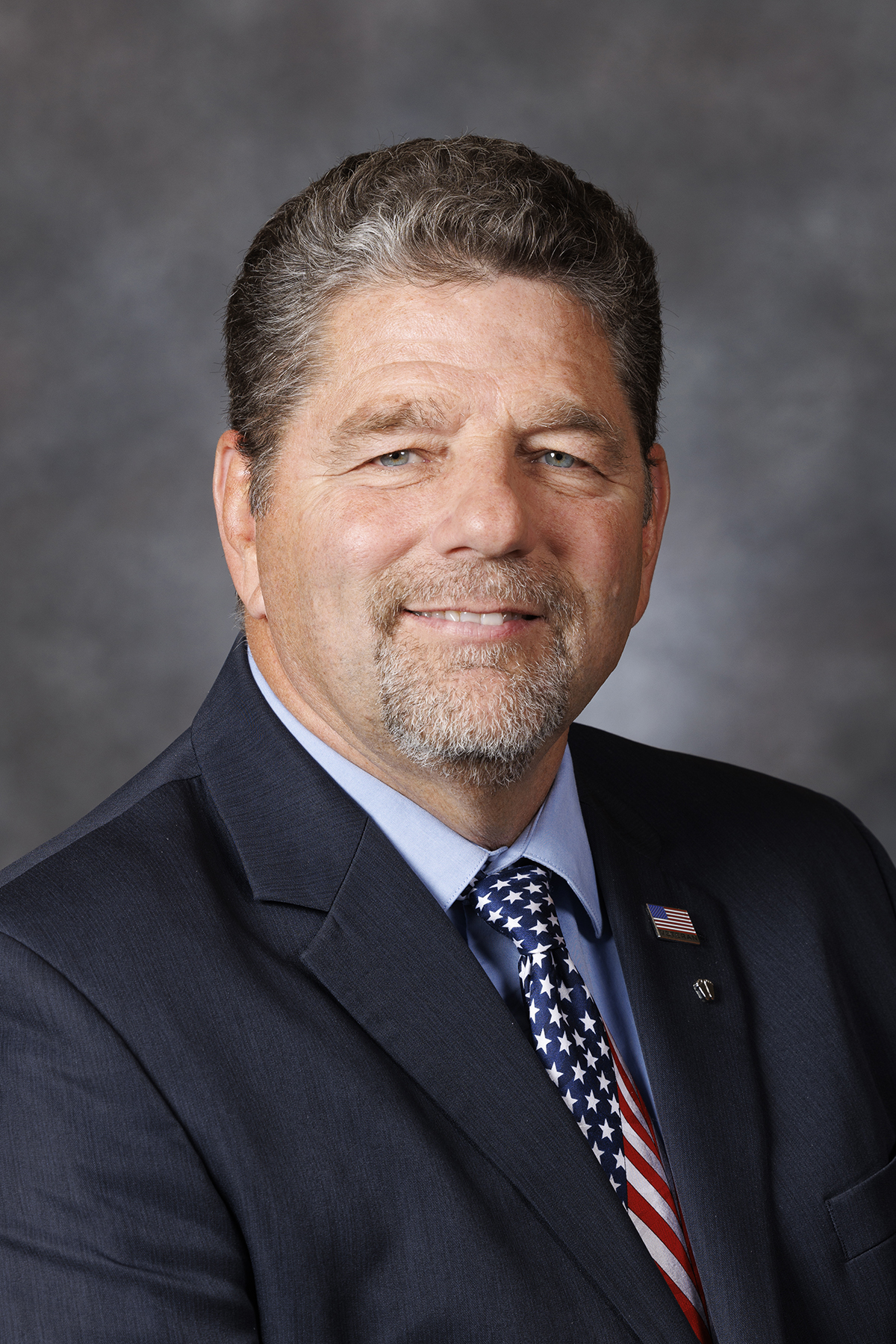
Eliot Bostar
69% support rate
Top opponent
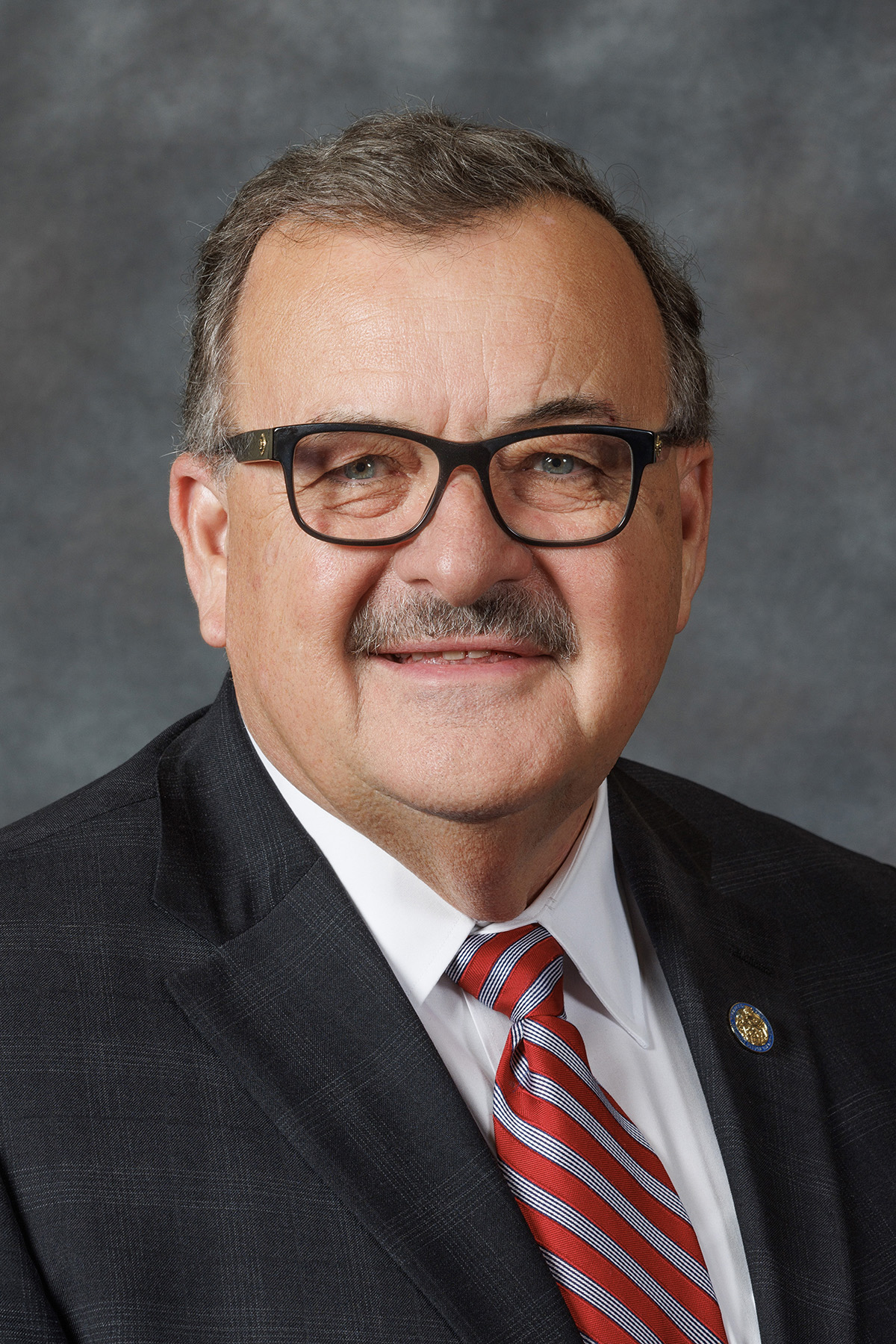
Rob Clements
38% support rate
Ranked legislators
10
5 support · 5 oppose
Key legislators

Who's moving criminal justice in Nebraska

Legislators moving criminal justice in Nebraska
Legislator Party Stance Support rate Votes
Eliot Bostar
Eliot Bostar House · District 29
N
Support
69% 44
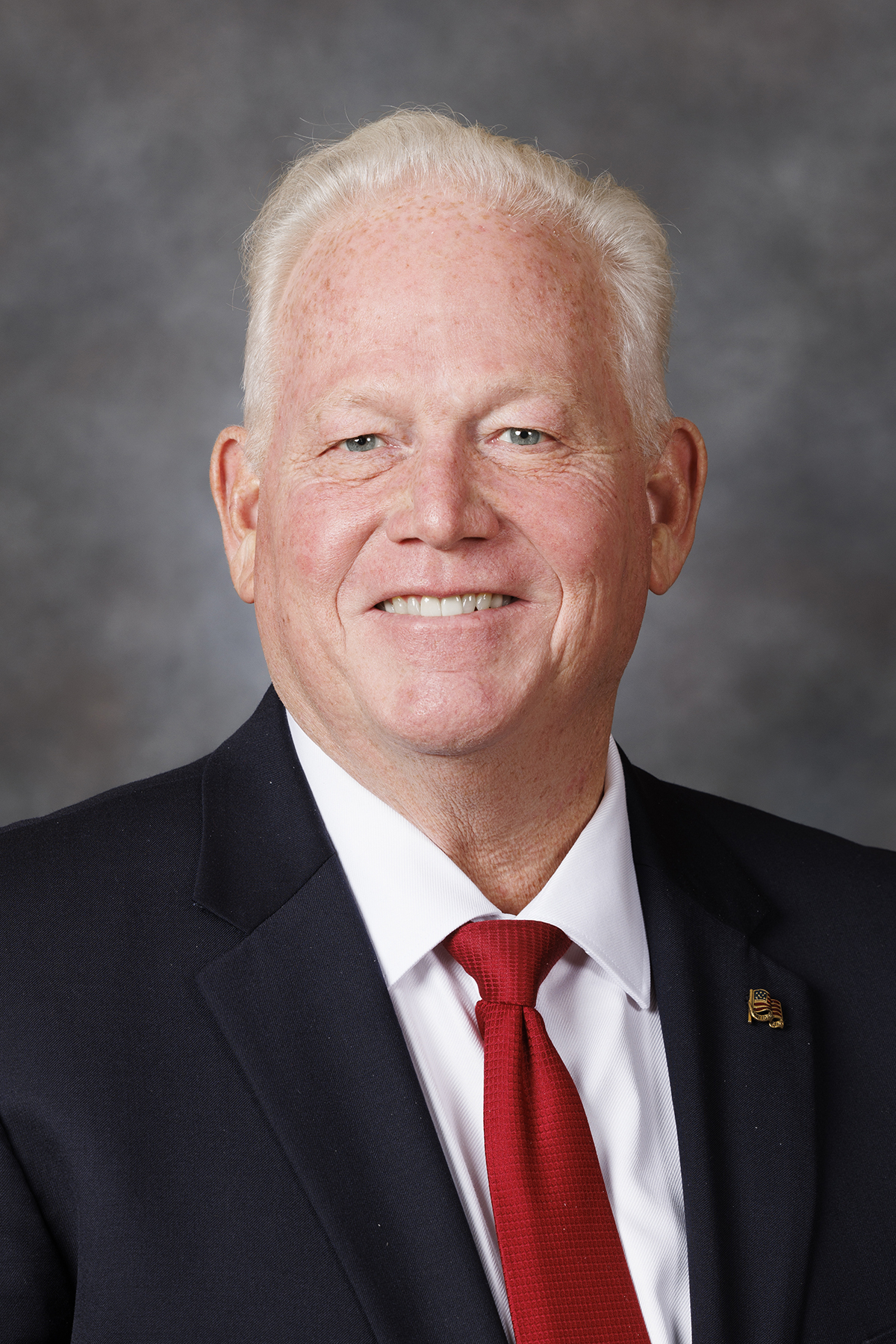
Tom Brandt
Tom Brandt House · District 32
N
Support
68% 69
John Fredrickson
John Fredrickson House · District 20
N
Support
65% 39
Robert Dover
Robert Dover House · District 19
N
Support
65% 40
John Cavanaugh
John Cavanaugh House · District 9
N
Support
64% 61
Rob Clements
Rob Clements House · District 2
N
Oppose
38% 69
Mike Jacobson
Mike Jacobson House · District 42
N
Oppose
40% 61
Dan Lonowski
Dan Lonowski House · District 33
N
Mixed −
40% 66
Bob Andersen
Bob Andersen House · District 49
N
Mixed −
41% 72
Kathleen Kauth
Kathleen Kauth House · District 31
N
Mixed −
41% 73
Showing 71–80 of 146 bills

All criminal justice bills

signed · Nebraska · Legislature Jun 2, 2025

LB 499: Change membership provisions relating to the Crime Victim's Reparations Committee

LB 499 amends Nebraska's Crime Victim's Reparations Committee membership rules to ensure more targeted representation. It requires the Governor to appoint five public members: two representing charitable organizations serving victims of sexual assault, human trafficking, or domestic abuse; two with direct experience supporting victims of those crimes; and one victim themselves. The bill also establishes staggered two-year terms for initial appointments before standard four-year terms begin. This directly affects the committee's composition and ensures members have specific expertise relevant to victim support services.
died · Nebraska · Legislature Apr 17, 2026

LB 443: Create the offense of unlawful squatting and provide a penalty

Nebraska's LB 443 creates a new criminal offense called "unlawful squatting" for people who enter and occupy another person's property with the intent to claim ownership or use it without permission. It requires law enforcement to issue a warning citation if they have probable cause (e.g., visible personal items or temporary structures on vacant property), giving the person three business days to prove legal right to stay with documents like a deed, lease, or payment records (digital copies accepted). Failure to provide valid proof within that timeframe results in arrest and a Class I misdemeanor charge. The bill directly affects individuals occupying land without the owner's consent, aiming to clarify legal recourse for property owners.
Sub-Topics Law Enforcement
died · Nebraska · Legislature Apr 17, 2026

LB 350: Change provisions relating to commitment for restoration of competency to stand trial or for sentencing and require filing of certain documents with the court or appropriate tribal official under the Nebraska Mental Health Commitment Act and the Sex Offender Commitment Act

LB 350 amends Nebraska's Mental Health Commitment Act and Sex Offender Commitment Act to streamline competency restoration processes. It requires the Department of Health and Human Services to file treatment plans with courts or tribal officials within 21 days, and mandates regular court hearings every 60 days to review a defendant's progress. The bill also establishes a $100 daily reimbursement rate for counties housing defendants in jail for competency treatment (after 30 days), adjusted annually by the Consumer Price Index. This affects defendants awaiting competency restoration, county courts, tribal officials, and mental health departments handling these cases.
Sub-Topics Sentencing
signed · Nebraska · Legislature Feb 26, 2025

LB 72: Change provisions relating to controlled substances schedules under the Uniform Controlled Substances Act

Nebraska's LB 72 updates the state's list of Schedule I controlled substances under the Uniform Controlled Substances Act by adding 106 specific fentanyl-related compounds, including analogs like U-47700, Alpha-methylfentanyl, and various "fentanyl" derivatives. The bill directly affects individuals, healthcare providers, and law enforcement handling these substances, as they are now classified as Schedule I drugs with strict legal restrictions. Key provisions replace the existing schedule with this detailed list to harmonize state law with federal classifications and prevent legal loopholes around new synthetic opioids. The bill does not change penalties or enforcement but clarifies which substances are prohibited under Nebraska law.
Sub-Topics Drug Policy
died · Nebraska · Legislature Apr 17, 2026

LB 92: Adopt the Residential Tenant Clean Slate Act

LB 92, the Residential Tenant Clean Slate Act, allows tenants to have certain eviction records sealed from public view under specific conditions. It directly affects tenants who were evicted for reasons like nonpayment during the 2020-2021 pandemic emergency, wrongful eviction, or if their case was dismissed or reversed. Key provisions require courts to automatically seal records upon dismissal of an eviction case, and allow tenants to petition for sealing if they meet criteria like a reversed judgment or a minor defendant. Once sealed, landlords cannot consider the eviction in housing applications, and tenants can deny the incident occurred in job or housing screenings. The law takes effect January 1, 2026, applying to all eviction cases regardless of when they occurred.
Sub-Topics Tenant Rights
died · Nebraska · Legislature Apr 17, 2026

LB 226: Provide for setting aside convictions and expunging records for convictions and adjudications for concealed weapon offenses, provide a private cause of action for violations of the Security, Privacy, and Dissemination of Criminal History Information Act, waive sovereign immunity, and provide for retroactivity

LB 226 allows individuals convicted of specific concealed weapon offenses under Nebraska law before September 2, 2023, to petition courts to clear their records. It creates a rebuttable presumption for relief if the conduct would not violate current law, requiring courts to consider post-conviction behavior and public safety. The bill also establishes a private legal right to sue for improper sharing of criminal history records under the Security, Privacy, and Dissemination Act and waives government immunity for such cases. This applies retroactively to past convictions, enabling affected individuals to seek record sealing through court motions.
Sub-Topics Courts
died · Nebraska · Legislature Apr 17, 2026

LB 511: Create the offense of commercial sexual exploitation, require registration under the Sex Offender Registration Act for certain solicitation and trafficking offenses, provide for a grant program for law enforcement, and require the Department of Health and Human Services to conduct education and awareness campaigns

LB 511 redefines "solicitation of prostitution" as "commercial sexual exploitation" and adds new penalties for this offense. It requires individuals convicted of this crime, human trafficking, and related offenses to register under Nebraska's Sex Offender Registration Act. The bill creates a grant program to fund law enforcement efforts targeting these crimes and mandates the Department of Health and Human Services to run public education campaigns about healthy families, pornography, and prostitution. This directly affects convicted individuals, law enforcement agencies, and the public through new registration requirements and awareness initiatives.
Sub-Topics Human Trafficking
died · Nebraska · Legislature Apr 17, 2026

LB 329: Change provisions relating to sexual abuse by a school employee

LB 329 redefines terms related to sexual abuse by school employees in Nebraska, specifically expanding the definition of "school employee" to include contractors like resource officers or consultants working at schools. It creates three felony degrees based on the type of contact: sexual penetration (first degree, Class IIA felony), sexual contact (second degree, Class IIIA felony), and a pattern of conduct (third degree, Class IV felony). The bill explicitly states that student consent is never a defense to these charges. It directly affects school employees (including contractors) and students aged 16-19 enrolled in state-approved schools.
signed · Nebraska · Legislature Mar 12, 2025

LB 296: Require the State Department of Education to create a centralized education records system and employ registrars relating to students under the jurisdiction of the juvenile court and change provisions relating to graduation requirements and the State Department of Education Improvement Grant Fund

LB 296 requires Nebraska's State Department of Education to create a centralized system for tracking education records of students under juvenile court jurisdiction, ensuring their academic progress isn't disrupted during court involvement. The bill mandates hiring registrars to manage these records, analyze completed coursework, and award appropriate credit hours for students who finish classes while in the juvenile system. It also updates graduation requirements to include mandatory personal finance courses (starting 2023-24) and computer science education (starting 2027-28). The centralized system and registrars will be funded through the State Department of Education Improvement Grant Fund.
died · Nebraska · Legislature Apr 17, 2026

LB 395: Change provisions relating to unlawful possession of a firearm by a prohibited juvenile offender and sealed records

Nebraska's LB 395 would have changed rules for juveniles (under age 25) previously found guilty of certain felonies or domestic violence misdemeanors, who are currently banned from possessing firearms. It created a process allowing these individuals to petition a court for exemption from the firearm ban once they turn 19 (to juvenile court) or 25 (to district court), considering their behavior and future crime risk. The bill also clarified that sealing a juvenile's criminal record (through court order) does not remove the firearm ban, and the sealed record would still indicate the underlying offense. However, the bill was amended into another measure (LB530) on June 6, 2025, and did not become law.
Showing 71 to 80 of 146 bills
Previous 1 7 8 9 15 Next