

Maddy summaryMinnesota Senate File 385 (SF 385) appropriates $1.25 million from state bond proceeds to fund the acquisition, design, construction, and equipping of a regional fire training facility in Dayton. The bill authorizes the state to sell up to $1.25 million in bonds to cover these costs, following standard state bond procedures. This funding directly supports the city of Dayton's fire department and regional emergency responders by providing a dedicated training facility.
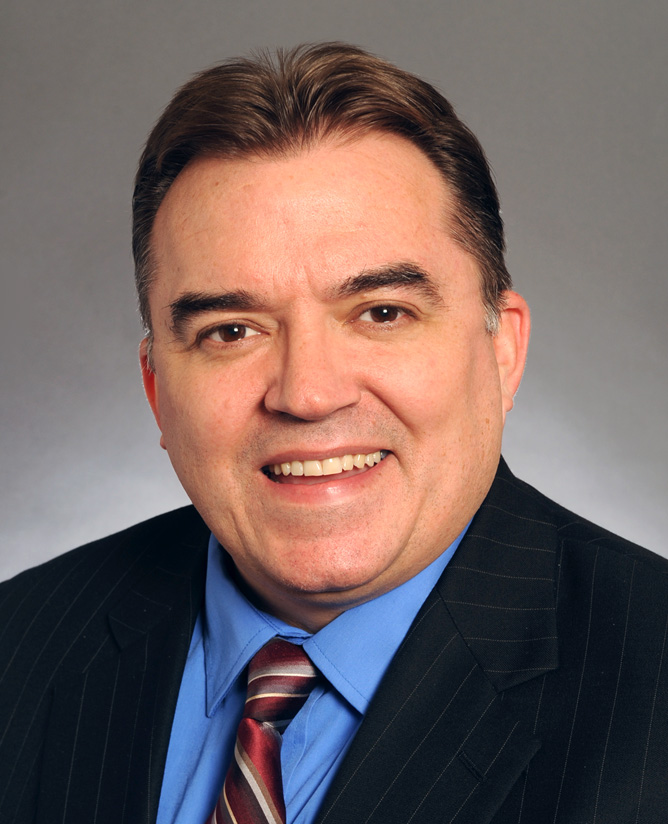
Sen. John Hoffman
Sponsored bills
Maddy summarySF 257 appropriates $1.95 million for each of fiscal years 2026 and 2027 to fund food distribution through Second Harvest Heartland. It directly supports Minnesota's six Feeding America food banks and their affiliated food shelves by requiring funds to purchase milk (with $850,000 yearly), surplus produce from Minnesota farms, and protein products (like meat and eggs) from Minnesota processors. The bill mandates that all food must be sourced locally, specifies distribution formulas, and allows limited administrative costs (up to 15% for produce programs). Second Harvest Heartland must submit quarterly reports tracking fund usage, food purchases, and distribution to food banks.
Maddy summaryThis bill modifies Minnesota's law on fleeing police officers in vehicles by creating two new felony offenses. It adds a felony charge for drivers who flee recklessly endangering others (subdivision 3a) and another for fleeing while violating specific traffic laws like ignoring signs or staying on the wrong side of the road (subdivision 3b). Drivers convicted face increased penalties, including longer license revocations (up to 10 years for the most severe cases), and the bill also allows police to use tracking devices on fleeing vehicles. The changes apply to offenses committed on or after August 1, 2025.
Maddy summarySF 172 creates a small business sales tax allowance in Minnesota, directly affecting retailers with 15 or fewer employees. The bill allows these businesses to retain up to $500 of sales tax they collect, calculated as half a percent of the tax collected during a reporting period, provided they report and remit the remaining tax on time. This allowance reduces the amount they must pay to the state, but it cannot lower their total tax obligation below zero. The policy takes effect for sales taxes due after June 30, 2025.
Maddy summaryThis bill (SF 190) adds enhanced penalties for assaulting youth sports officials in Minnesota. It defines "sports official" broadly to include umpires, referees, scorekeepers, and similar roles in youth athletic activities. The law makes it a gross misdemeanor to assault an official causing physical injury or intentionally throw bodily fluids/feces at them due to their role. These penalties apply to offenses committed on or after August 1, 2025.
Maddy summaryThis bill modifies licensing and board membership requirements for architects, engineers, surveyors, landscape architects, geoscientists, and interior designers in Minnesota. It reduces the required professional experience for board members from 10 to 5 years, clarifies that all board members must be state residents, and updates rules for temporary military licenses (setting the fee to $0). The changes apply directly to licensed professionals seeking or maintaining credentials and the state boards that oversee their licensing. The bill focuses on administrative adjustments to licensing processes without creating new programs or altering core practice standards.
Maddy summaryMinnesota Senate File 93 (SF 93) creates a new eligibility pathway for MinnesotaCare, allowing individuals who provide in-home, nonprofessional direct support services (such as care for older adults or people with disabilities) to qualify for coverage. It specifically applies to households where the provider works at least 20 hours weekly providing these services to a household member, with income at or below 400% of the federal poverty level. The bill establishes a $80 monthly premium for eligible adults (children under 21 are exempt) and requires proof of employment to enroll, with eligibility reviewed every six months. It appropriates state funds from the health care access fund for fiscal years 2026-2027 to cover these new enrollees.
Maddy summaryThis Senate resolution officially recognizes October 2024 as Spina Bifida Awareness Month within the state of Minnesota. The bill directly affects the Minnesota Spina Bifida Association and the broader community by formally acknowledging the challenges and successes of individuals living with this congenital condition. Its primary mechanism is a ceremonial declaration that encourages public education and support during the designated month. By transmitting an enrolled copy of the resolution to the Minnesota Spina Bifida Association, the Senate highlights the importance of awareness and advocacy for those impacted by the condition.
Maddy summaryThis bill allocates $100,000 for fiscal year 2026 and $100,000 for fiscal year 2027 from the arts and cultural heritage fund to the Minnesota Governor's Council on Developmental Disabilities. It funds the Council to preserve and raise public awareness about the history of Minnesotans with developmental disabilities using exhibits, videos, print materials, and traveling displays. The direct beneficiaries are the Council (enabling its historical documentation work) and Minnesotans with developmental disabilities (through increased historical recognition). The bill does not alter disability services or create new programs; it solely provides funding for historical preservation activities.
Maddy summaryThis bill modifies how Minnesota calculates payments to human services providers offering integrated community supports, which help individuals with disabilities live independently in community settings. It establishes a new formula using specific cost factors (like staff wages, supervisory ratios, and administrative costs) to determine payment rates. The formula multiplies base staffing costs by these factors and adjusts for regional cost differences, effective January 1, 2026. This directly affects providers delivering these services, changing how they receive state funding.