

Maddy summaryThis bill requires Minnesota's Commissioner of Natural Resources to create new rules restricting wake surfing on the Mississippi River between the US Highway 169 bridge in Champlin and Coon Rapids Dam (a six-mile stretch in Hennepin and Anoka Counties). It defines "wake surf" as either surfing a wake while being towed or operating a boat designed to create a wake for others. The rules specifically ban using special equipment like built-in ballast systems or added weight to create larger wakes, while allowing local governments to enforce stricter rules farther from shore. These rules will apply directly to recreational boaters using that specific river segment.
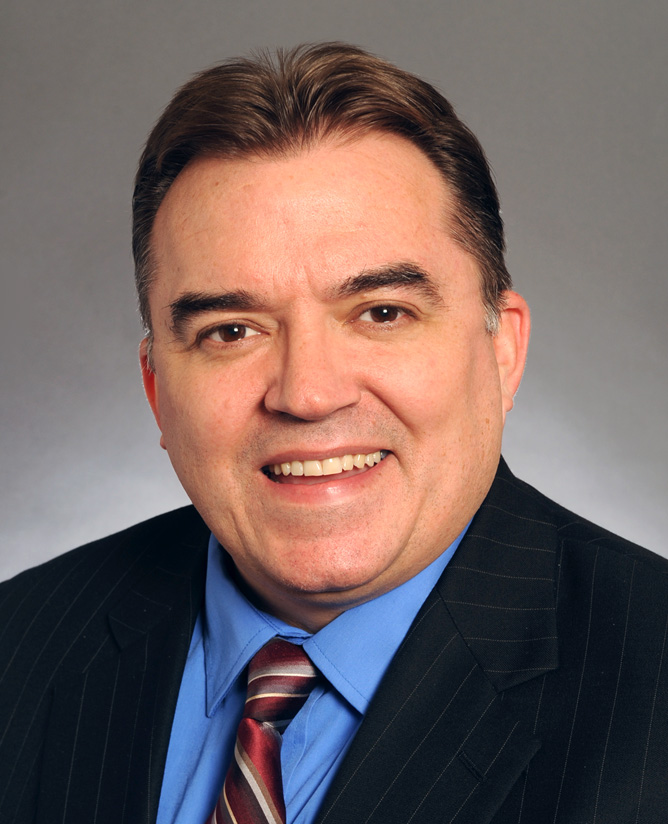
Sen. John Hoffman
Sponsored bills
Maddy summarySF 184 requires Minnesota's Human Services and Children, Youth, and Families commissioners to submit a report by January 15, 2026, evaluating the feasibility of a demonstration project. The project would allow individuals who lose eligibility for certain public benefits (like medical assistance, MinnesotaCare, or family investment programs) due to increased earnings to temporarily retain some benefits during a transition period. The report must assess which programs could participate, income limits for continued support, budget neutrality, federal requirements, and evaluation methods. This bill focuses on gathering data to potentially reduce sudden benefit loss when people advance in employment.
Maddy summaryThis bill provides supplemental funding for Minnesota's human services programs, including support for people with disabilities, the elderly, and those struggling with substance use disorders. It establishes several new oversight bodies and task forces to improve service delivery and creates a specific account for emergency responses within the human services system. The legislation also updates rules regarding how private data is shared between state agencies to better coordinate benefits and services while protecting individual privacy.
Maddy summaryThis bill requires sellers in Minnesota to accept United States currency, including Federal Reserve notes, as payment for goods and services. The rule applies to in-person transactions at locations where the seller takes cash, with specific exceptions for banks, credit unions, and certain security deposit scenarios. While businesses with multiple sales points must accept cash at at least one location, they are exempt from the requirement if they only use cash-to-card conversion devices that charge no fees, require no large deposits, provide receipts, and do not limit card usage. Violations of this requirement could result in a civil penalty of up to $250 for each transaction or attempted transaction.
Maddy summaryThis bill modifies state laws to strengthen awareness and support for library services designed for blind and print-disabled individuals in Minnesota. It requires the Department of Education to create an accessible online resource hub and collaborate with other state agencies to inform the public about available services like braille and audio books. Additionally, the legislation establishes an advisory committee composed of library users to guide long-term planning and ensure the library effectively reaches its target community.
Maddy summaryThis bill authorizes the sale of up to $8,000,000 in state bonds to fund improvements at CHS Field in Saint Paul. The funds will be used to upgrade the stadium's infrastructure to meet Major League Baseball standards, which includes building a new locker room, enhancing visitor amenities, and cleaning up contaminated soil. The money will be provided as a grant to the city through the commissioner of employment and economic development. The legislation takes effect immediately upon final passage by the legislature.
Maddy summaryThis bill, which has been signed into law, updates Minnesota's human services regulations to improve safety and operational clarity for disability, aging, and substance use disorder programs. It exempts small residential facilities with six or fewer residents from certain local rental licensing rules while maintaining zoning allowances for these programs. Additionally, the bill mandates that providers complete specific health and safety assessments within 45 days of a client's service start date to better address individual needs. These changes aim to modernize existing statutes and remove outdated language to better support service delivery across the state.
Maddy summaryThis bill modifies the special tax increment financing rules for the City of Ramsey to allow the use of redevelopment funds for specific local projects. It permits the city to apply tax revenues generated within a defined district to pay for the Northstar Transit Station, related infrastructure, and public improvements installed before the district was created. The legislation also extends the time limit for completing district activities from five years to ten years and adjusts certain financial restrictions to better support these initiatives. By amending existing state statutes, the bill gives the city more flexibility in how it manages and spends funds designated for economic development in that area.
Maddy summaryThis bill modifies Minnesota law to exempt certain construction materials and equipment from sales and use tax for projects in the city of Ramsey. The exemption applies specifically to work on new water treatment plants and trunk water main improvements, provided the purchases occur between December 31, 2022, and July 1, 2027. Under the new rules, the city must initially pay the tax and then receive a refund for these eligible purchases, with refunds issued between July 1, 2023, and July 1, 2027. The legislation also states that this tax exemption applies retroactively to purchases made after December 31, 2022.
Maddy summaryThis bill authorizes the state to issue up to $6,800,000 in bonds to fund a grant for the City of Ramsey. The funds are designated for building a new water treatment plant and upgrading trunk water mains to remove manganese and iron from the city's water supply. The Commissioner of Management and Budget is directed to sell these state bonds and transfer the proceeds to the Public Facilities Authority for distribution to the city. The legislation takes effect immediately upon final enactment.