

Maddy summarySF 391 increases Minnesota's annual sales limit for cottage food businesses from $78,000 to $85,000 and raises the fee exemption threshold from $5,000 to $8,500 in gross receipts. This directly affects home-based food producers selling non-hazardous or home-canned foods (like pickles, fruits, or vegetables with specific pH/water activity levels) without state licensing. The bill requires these businesses to register annually ($50 fee, waived for under $8,500 in sales) and mandates the commissioner to submit biennial reports to the legislature on threshold adjustments and inflation impacts. These changes aim to update economic thresholds while maintaining the exemption's core structure for small-scale home food operations.
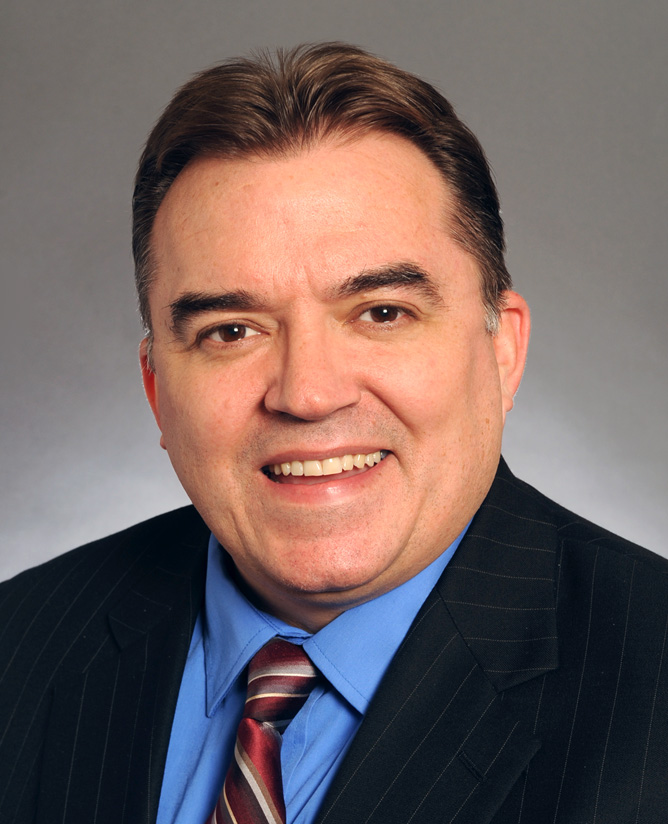
Sen. John Hoffman
Sponsored bills
Maddy summarySF 388 removes burial fees for spouses and dependents of eligible veterans at Minnesota state veterans cemeteries. The bill amends Minnesota Statutes 197.236, subdivision 9, to prohibit charging any fees for these groups' interment, replacing the previous fee schedule and waiver process. It appropriates funds from the general fund for fiscal years 2026 and 2027 to cover these uncompensated burial costs. This directly affects spouses and dependent children of veterans meeting eligibility criteria under U.S. Code, title 38, section 101(2). The policy change eliminates a cost barrier for families of veterans, ensuring no burial fees apply to these specific groups.
Maddy summaryThis bill requires Minnesota's Commissioner of Human Services to seek federal approval for home support providers to bill for specific "indirect" services. It authorizes billing for coordination tasks like arranging transportation, healthcare access, legal support, employment maintenance, basic needs, independent living support, and crisis management - when direct service involvement isn't possible or the recipient chooses otherwise. These changes directly affect home support providers and individuals receiving individualized home supports. The policy aims to streamline service continuity without direct recipient contact under defined conditions, effective July 1, 2025.
Maddy summaryThis bill amends Minnesota law to allow the Public Utilities Commission to issue certificates of need for new small modular nuclear reactors with a maximum capacity of 300 megawatts. It directly affects developers seeking to build these smaller-scale nuclear facilities by creating an exception to the existing prohibition on new nuclear plant construction. The key provision modifies statute 216B.243 to permit certificates for reactors under 300 MW, while maintaining restrictions on larger plants. This changes the regulatory pathway for small nuclear projects without altering broader energy policies.
Maddy summaryThis bill appropriates $3 million from state bond proceeds to fund a new water tower in Dayton, Minnesota. The funds will help the city acquire land, plan, and build the tower to ensure adequate water storage and fire suppression pressure for residents. The state will issue up to $3 million in bonds to cover the cost, following standard bond procedures under Minnesota law. The project directly affects Dayton residents by improving local water infrastructure reliability.
Maddy summarySF 402 modifies how Minnesota calculates reimbursement rates for disability waiver programs by changing the wage formulas used to determine payments to service providers. It establishes specific percentage-based calculations using median wages for 17 different staff roles (like residential care workers, nurses, and counselors) instead of previous methods. These updated formulas, effective January 1, 2026, will directly affect disability service providers receiving state funding under waiver programs. The bill aims to align reimbursement rates more closely with current wage data for these specific positions.
Maddy summaryThis bill prohibits Minnesota's Commissioner of Human Services and Commissioner of Children, Youth, and Families from terminating public assistance benefits based on an individual's or their dependents' vaccination status. It directly affects people receiving benefits like food assistance, cash aid, or childcare subsidies, as well as caregivers, parents, or guardians responsible for minors or vulnerable adults. The law adds specific statutory language (in sections 142A.03 and 256.01) making it illegal for these agencies to rescind benefits due to vaccination status. The policy change is a direct prohibition on using vaccination status as a grounds for benefit termination, without altering eligibility criteria or creating new programs.
Maddy summaryThis bill redirects specific sales and use tax collections (from section 297A.94, paragraph m) to the Minnesota Amateur Sports Commission. The funds are designated solely for deferred maintenance costs at the National Sports Center in Blaine, as determined annually by the Department of Administration. If no maintenance costs are identified each year, the funds revert to the general fund. It modifies existing tax allocation rules without creating new taxes or broad policy changes.
Maddy summaryThis bill appropriates $400,000 from the general fund for fiscal year 2026 to the Dayton Economic Development Authority. The funds are specifically for acquiring land in Dayton's Historic Village to support redevelopment projects aimed at creating economically viable public-use spaces. The appropriation is available until the project is completed or abandoned, per state funding rules.
Maddy summaryThis bill appropriates $1.5 million from state bond proceeds to fund a roundabout project at the intersection of Pineview Lane and County Road 12 in the city of Dayton. It authorizes the state to sell bonds up to $1.5 million to cover costs for acquiring property, predesign, design, and construction of the roundabout and related improvements. The funds will be provided as a grant to the city of Dayton through the commissioner of transportation. This is a direct capital investment project affecting Dayton's infrastructure at a specific intersection.