

Maddy summaryThis bill appropriates $11.05 million for fiscal year 2026 and $21.5 million for fiscal year 2027 from the general fund to the Metropolitan Council. The funds are designated for grants to operate and maintain metropolitan area regional parks under Minnesota Statutes section 473.351. The bill directly affects the Metropolitan Council and regional parks in the metropolitan area by providing specific annual funding for their operations and upkeep.
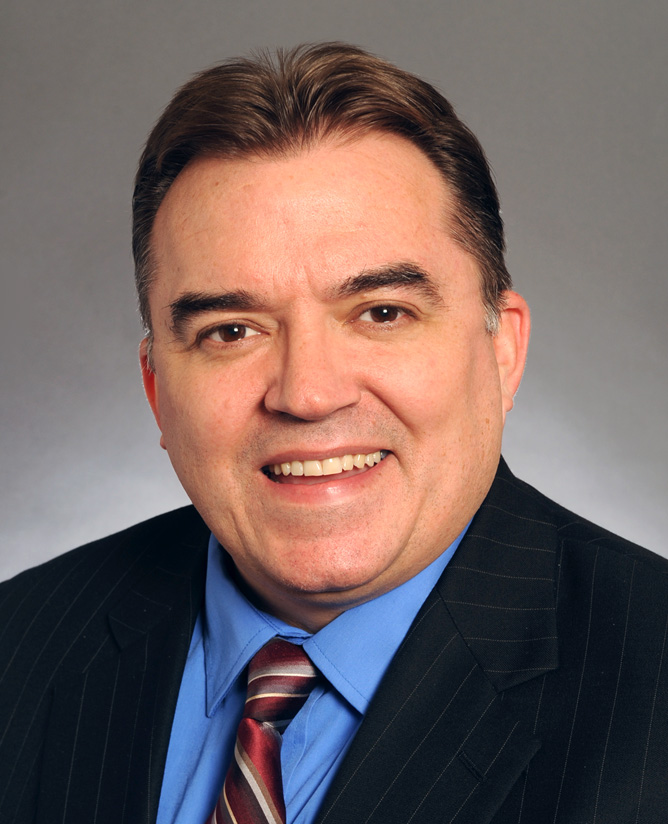
Sen. John Hoffman
Sponsored bills
Maddy summarySF 1616 allocates $5 million from the general fund for a veteran mentorship program targeting Black youth in Minnesota. The bill requires the Commissioner of Veterans Affairs to fund an organization that will employ veterans to mentor Black youth, aiming to prevent youth violence and help participants explore military careers. The funding is specifically broken down: $1.5 million for veteran mentor salaries, $2 million for community outreach and education, $1 million for youth engagement activities, and $500,000 for program administration. This is a one-time appropriation for fiscal year 2026, directly affecting Black youth through structured mentorship and career exploration opportunities.
Maddy summarySF 683 creates a 12-member legislative commission focused on intellectual and developmental disabilities in Minnesota. The commission, composed of appointed legislators from relevant committees (including those overseeing human services, labor, and housing), will review state programs and policies affecting people with these disabilities. It requires state agencies to provide data on disability services, demographics, and fiscal information to support the commission’s work. The bill also establishes procedures for commission operations, including meeting schedules and administrative support, and includes funding for its activities. This commission is intended to provide legislative oversight of disability-related programs, directly affecting state agencies and the legislative process.
Maddy summaryThis bill appropriates $2,273,000 from the state general fund for a one-time grant to the city of Ham Lake. The funds are specifically for constructing safety improvements and realigning frontage roads at the intersection of Trunk Highway 65 and Anoka County Road 60. The city must use the money by June 30, 2029, for these infrastructure upgrades. The bill directly affects Ham Lake residents and drivers using this intersection by funding physical road changes.
Maddy summarySF 2129 imposes a 50% gross revenue tax on Minnesota-based manufacturers and retailers selling products containing PFAS (perfluoroalkyl substances), defined as fluorinated chemicals with at least one fully fluorinated carbon atom. Manufacturers pay tax on revenue from PFAS products sold to distributors, while retailers pay tax on retail sales within Minnesota. Revenue from this tax will fund a dedicated cleanup account in the special revenue fund, managed by a newly established XX Advisory Commission, to support statewide environmental remediation. The bill requires monthly reporting but no immediate tax payments, with annual filings due by the same schedule as other Minnesota taxes.
Maddy summaryThis bill renames the Minnesota Higher Education Facilities Authority to the Minnesota Health and Education Facilities Authority. It expands the authority's purpose to include constructing and financing healthcare facilities (previously limited to education facilities) and increases its borrowing capacity. The change directly affects healthcare organizations and higher education institutions in Minnesota seeking to build or refinance facilities. The key mechanism is modifying the authority's legal mandate to allow healthcare project financing while raising its debt limit for these projects.
Maddy summaryThis bill appropriates $342,000 from the general fund for fiscal year 2026 and another $342,000 for fiscal year 2027 to the Minnesota Rare Disease Advisory Council. The funding supports the council's existing statutory role under Minnesota Statutes section 256.4835, which requires the council to advise the legislature and state agencies on rare disease issues. This is a straightforward funding measure, not a policy change, directly affecting the council's operations to continue its work supporting Minnesotans with rare diseases.
Maddy summarySF 2095 prohibits the Minnesota Division of Driver and Vehicle Services from listing specific surcharge details or fee differences (like the $1 surcharge or variations between in-person and online transactions) on vehicle registration renewal notices or related materials. The bill amends Minnesota Statutes section 168.33, subdivision 7, to require that such information not be advertised, promoted, or referenced on renewal notices, accompanying materials, or the agency's website - except when completing a transaction. This change directly affects vehicle owners receiving renewal notices, as they will no longer see these fee breakdowns. The provision takes effect October 1, 2025, for notices issued on or after that date.
Maddy summaryThis bill requires the Minnesota Department of Public Safety to establish new road skills examination stations for class D driver's licenses in cities with populations over 70,000, specifically naming Blaine, Bloomington, Brooklyn Park, Lakeville, Maple Grove, and Woodbury. It appropriates funds from the driver and vehicle services account to develop these new stations and cover their operating costs, excluding existing stations. The requirement applies to stations opening on or after August 1, 2025. This directly affects drivers in those six cities who need to take road skills tests for their licenses. The bill mandates new station locations based on population data from the Minnesota State Demographic Center.
Maddy summaryThis bill appropriates $1 million for fiscal year 2026 and $1 million for fiscal year 2027 from the general fund to increase payments to critical access nursing facilities. The funds are specifically designated for rate adjustments under Minnesota Statutes section 256R.47, directly affecting nursing facilities that serve rural communities and provide essential long-term care. The key mechanism is a fixed annual funding increase to support facility operations without requiring new legislative action for each adjustment. This is a straightforward budget allocation with no additional requirements or changes to facility eligibility.