

Maddy summaryThis bill appropriates $900,000 from the general fund for capital improvements at the Magnus Veterans Wellness Clinic in Dayton. The funds will cover design, construction, renovation, and equipment for the clinic, including space reconfiguration, energy efficiency upgrades, and replacement of HVAC, plumbing, and electrical systems. The money is a one-time grant to the Magnus Veterans Foundation to support ongoing clinic operations. This directly benefits veterans using the Dayton clinic by improving its facilities. The appropriation expires upon project completion or abandonment.
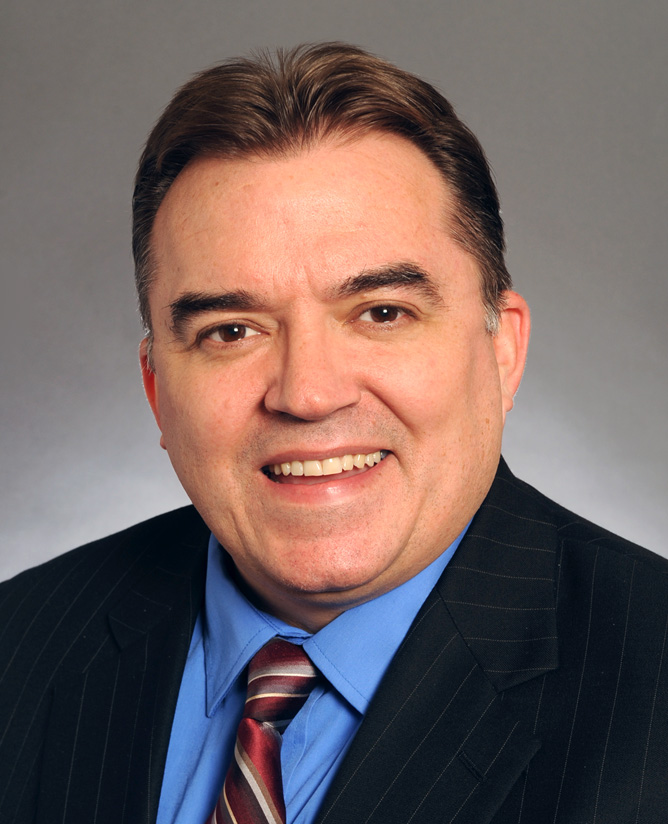
Sen. John Hoffman
Sponsored bills
Maddy summaryThis bill requires tire collectors who need a permit under Minnesota law to maintain a $150,000 surety bond before receiving or renewing their permit. The bond, held by the state commissioner, ensures tire collectors comply with existing waste management rules (sections 115A.90-115A.914) and provides financial recourse if they fail to meet requirements. The bond must remain active until canceled with 30 days' written notice to both the collector and the commissioner. It directly affects businesses collecting tires that operate under a state permit, ensuring accountability for environmental and public safety standards.
Maddy summaryMinnesota Senate Bill SF 1138 allocates $500,000 for fiscal year 2026 and $500,000 for fiscal year 2027 from the general fund to the commissioner of health. This funding supports the nonprofit "Change the Outcome" to provide opioid prevention and education programs directly affecting Minnesota middle and high schools, communities, and individuals struggling with substance use. Key provisions include data-driven school and community workshops on opioid dangers, prevention strategies, overdose recognition, emerging drug trends (like fentanyl and xylazine), and access to treatment resources. The bill focuses on concrete funding for evidence-based education rather than changing existing laws.
Maddy summaryThis bill modifies Minnesota's requirements for providing cause of death information when a medical examiner or coroner declines jurisdiction over a natural death. It specifies that physicians present at death, those who provided medical treatment before death, or those with direct knowledge and access to medical records must provide the information. If no such physician exists, another physician has 72 hours to provide it after notification. If a physician refuses, the medical examiner or coroner may provide the information and recover costs from the refusing physician or their employer.
Maddy summarySF 554 establishes a $8.9 million grant program to expand Minnesota's community care hub model, which connects health care providers with community organizations addressing basic needs like food insecurity, housing instability, and transportation access. The grant supports eligible community care hubs (nonprofits with federal recognition and health plan contracts) to organize social care services, centralize administrative operations (like contracting and referrals), and create sustainable funding for these services. The program requires grantees to report outcomes and includes $1 million for evaluation, with funds available until 2030. This bill directly affects community-based organizations, health care providers, and Minnesotans facing health-related social needs.
Maddy summaryThis bill appropriates $7 million from the general fund for one-time road improvements in Blaine, Minnesota. The funds are specifically for the city of Blaine (or Anoka County) to address local road work connected to intersection upgrades on Trunk Highway 65, including temporary traffic mitigation during construction. The appropriation is available until June 30, 2029, and must be used for projects directly related to the Highway 65 construction. It affects Blaine residents and local infrastructure by providing dedicated funding for road maintenance during a major highway project.
Maddy summaryThis bill prohibits landlords in Minnesota from discriminating against tenants who use government rental assistance, housing choice vouchers, or other public aid programs to pay rent. It specifically bans landlords from denying viewings, applications, or rental opportunities to such tenants, or advertising that they won't rent to people using these programs. The law directly affects tenants relying on federal, state, or local housing assistance and requires landlords to comply with these non-discrimination rules. It amends Minnesota Statutes 363A.09 to add explicit protections against source-of-income discrimination in housing.
Maddy summaryThis bill creates tax credits for businesses in Minnesota to support industrial development and infrastructure. It allows eligible businesses in qualifying locations (like rural counties, industrial parks, or near rail lines) to claim up to 10% of qualifying construction costs ($8 million max) or 50% of new rail infrastructure costs ($4 million max) against state taxes. Projects must apply for credit approval, and total annual credits are capped at $50 million. Unused credits can be carried forward for up to five years or transferred to other Minnesota taxpayers via written agreement.
Maddy summarySF 1963 requires health insurance plans in Minnesota to cover self-measured blood pressure monitoring devices and related services for enrollees diagnosed with uncontrolled hypertension. This coverage is limited to one device every three years and includes reimbursement for providers who train patients, transmit blood pressure data, and deliver co-interventions. The bill amends Minnesota Statutes to add this requirement under medical equipment coverage, effective January 1, 2026. It directly affects individuals with uncontrolled hypertension who rely on insurance for these medical devices.
Maddy summarySF 1755 appropriates funds from the state general fund to the Twin Lake Association for water quality improvements at Upper Twin Lake in Hennepin County. The bill allocates money for a two-year project using nonchemical technologies, infrastructure, selective weed control, carp management, and training (funds available until June 2028), plus additional funds specifically for increased weed harvesting. It directly affects the Twin Lake Association as the grant recipient and benefits local residents and the lake ecosystem through targeted water quality efforts. The bill is purely a funding measure with no new regulations or policy changes.