

Maddy summarySF 2326 removes the prohibition on cannabis businesses using billboards for advertising. It repeals Minnesota Statutes section 342.64, subdivision 2, which previously banned outdoor billboard advertising for cannabis products and businesses. The bill allows cannabis businesses to use billboards instead of being limited to just two fixed signs on their property. This change affects cannabis businesses directly by expanding their advertising options, while maintaining existing restrictions on advertising to audiences under 21 years old.
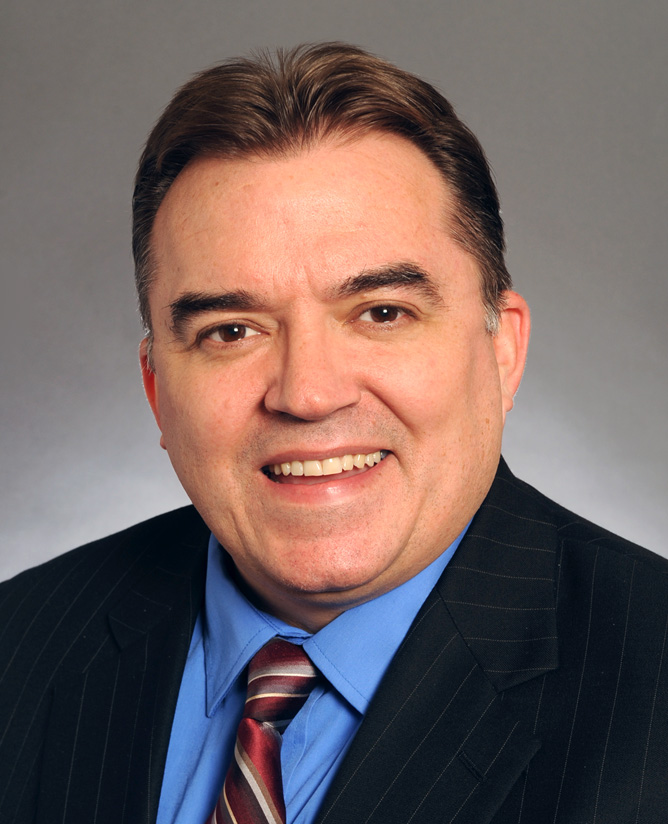
Sen. John Hoffman
Sponsored bills
Maddy summaryThis bill appropriates $150,000 for fiscal year 2026 and $150,000 for fiscal year 2027 from the general fund to the commissioner of veterans affairs. It creates a grant program for Independent Lifestyles, Inc., to operate retreats at Camp Bliss in Walker for eligible veterans and their family members. The grant covers therapy, transportation, activities, and camp maintenance, with the commissioner reimbursing the grant recipient at least $850 per eligible attendee per visit (up to two visits yearly). Eligible veterans include those with a DD-214 or current military members, and family members include spouses, domestic partners, or children.
Maddy summarySF 1173 would amend Minnesota law to allow individuals on probation or parole to access certain mental health services that were previously excluded. Currently, contracts for mental health services cannot be provided to people on probation or parole (Minnesota Statutes 245.50, subd. 3). The bill would add a new exception to this rule, removing the prohibition and enabling these individuals to receive covered services. This change directly affects Minnesotans under community supervision for criminal offenses, potentially improving access to mental health care during their supervision period. The bill modifies existing statute language but does not create new funding or service requirements.
Maddy summaryThis bill appropriates $7,084,000 from state bond proceeds to fund capital improvements at Coon Rapids Dam on the Mississippi River. The funds will be provided to the Three Rivers Park District to design, engineer, and construct projects aimed at improving the dam's structural integrity, safety, and operational capabilities. The bill authorizes the state to issue up to $7,084,000 in bonds to cover these costs, following standard bond procedures under Minnesota law. The direct beneficiaries are the dam infrastructure and the public who rely on its safe operation.
Maddy summaryThis bill appropriates $2.95 million for fiscal year 2026 and $2.95 million for fiscal year 2027 to fund Minnesota's existing county feedlot program. The funds, coming from the general fund, will be distributed as grants to delegated counties through the Pollution Control Agency. This funding supports counties in administering feedlot regulations under Minnesota Statutes section 116.0711, specifically for managing manure and waste from livestock operations. Unused funds from 2026 can carry over to 2027. The bill does not create new regulations or alter program requirements.
Maddy summaryThis bill limits annual rent increases for low-income senior housing units that receive federal low-income housing tax credits. It directly affects seniors living in these specifically designated rental projects across Minnesota. The key provision caps rent increases at either the prior year's Social Security/SSI benefit increase (minus 1%) or 0%, whichever is higher. This ensures rent hikes cannot exceed federal benefit adjustments while preventing any increase if the adjusted figure would be negative.
Maddy summaryThis bill authorizes the city of Buffalo to establish a five-member public utilities commission through a city ordinance. It specifies that the city council appoints all commission members (with no more than two from the council itself), sets three-year terms with staggered appointments, and requires the ordinance to adopt relevant state statutes governing such commissions. The bill directly affects Buffalo residents by creating a local body to oversee public utility regulations, such as water, gas, or electricity services within the city. The commission's structure and appointment process are defined by the bill, aligning with existing state law for similar commissions. (1.5 sentences)
Maddy summaryThis bill modifies Minnesota's housing law to extend full housing access rights to people training service dogs. It defines a "service dog in training" as a dog being trained by an accredited organization (like Assistance Dogs International) under supervision. The law requires landlords and homeowners associations to allow these dogs without charging extra fees, though trainers must provide written certification from the training organization and cover damage caused by the dog. The accommodation ends once the training is complete. This directly affects disabled individuals training service dogs and housing providers.
Maddy summaryThis bill transfers $10 million from Minnesota's general fund to the active transportation account for fiscal year 2026. It then allocates that specific amount to fund a pedestrian bridge project at the Rum River Dam in Anoka, covering design, engineering, environmental work, land acquisition, and construction. The funds are specifically for the city of Anoka and must be spent by June 30, 2029. The bill directly affects Anoka's infrastructure plans and the state's active transportation funding mechanism.
Maddy summarySF 1675 establishes licensure requirements for clinical art therapists in Minnesota. The bill defines clinical art therapy as a specialized practice using art-based methods to address mental, developmental, and emotional disorders, and sets standards for education through accredited programs. It modifies the Board of Behavioral Health and Therapy to include five licensed clinical art therapists as board members, alongside other licensed professionals. The legislation also imposes fees for licensure, establishes civil penalties for violations, and appropriates funding for the board's operations. This directly affects clinical art therapists seeking licensure and their clients, ensuring regulated practice under defined standards.