

Maddy summaryThis bill modifies rules for crisis services and community-based program locations in Minnesota. It removes a requirement that crisis services must admit patients within 48 hours, making access more flexible. The bill also changes criteria that community-based programs must meet to operate, affecting service providers and people seeking mental health or developmental disability support. These changes align with the creation of a new "Direct Care and Treatment agency" referenced in the legislation. The policy changes directly impact providers of crisis services and individuals needing those services.
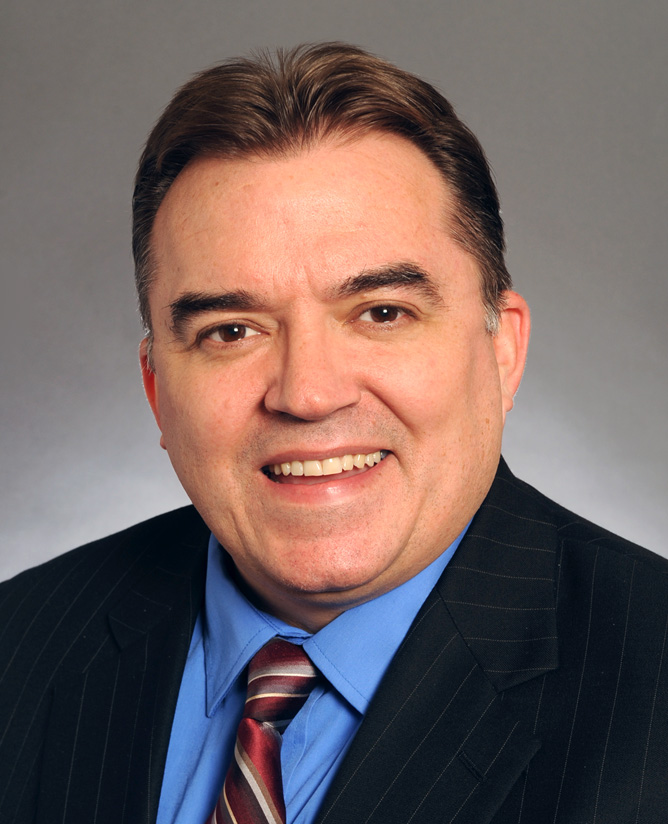
Sen. John Hoffman
Sponsored bills
Maddy summaryThis bill requires all health insurance plans in Minnesota to develop and provide a maternal mental health program for pregnant and postpartum individuals. Key provisions include mandating screenings during the perinatal period (based on ACOG guidelines), ensuring providers are reimbursed at cost for services, preventing unreasonable referral delays for mental health care, and providing resources to connect patients with specialists. The program applies to all health plans and medical assistance programs, effective January 1, 2026. It directly affects pregnant and postpartum individuals by expanding access to mental health support during a critical health period.
Maddy summarySF 2382 allows conservation officers in Minnesota to have certified sporting group dogs accompany them during patrols under specific conditions. The bill amends Minnesota Statutes 2024, section 84.0286, requiring dogs to be AKC sporting breeds, fully vaccinated, healthy, and non-aggressive, with officers personally certifying these conditions and assuming liability. Officers must take responsibility for any damage or injury caused by the dog, and the state, commissioner, or department is not liable. This directly affects conservation officers seeking to use trained dogs during patrols. The bill focuses on safety protocols and liability for dog-assisted patrols.
Maddy summaryThis bill requires all health insurance plans in Minnesota to cover power standing systems (devices that allow wheelchair users to stand) without imposing additional costs like deductibles or co-pays. It also mandates that MinnesotaCare and medical assistance programs cover these systems starting in 2026. Insurers must report costs to the Commerce Commissioner, who will reimburse them for coverage expenses not previously provided. The law applies to all health plans offered after January 1, 2026, directly affecting wheelchair users seeking this mobility aid and state-funded health programs.
Maddy summaryThis bill modifies Minnesota's Essential Community Supports program to expand access for older adults and those with dementia. It lowers the age requirement from 65 to 60 for eligibility, removes asset limits, and adds dementia as a qualifying condition. The bill also expands allowable services to include homemaker support, chores, and personal emergency response devices, while increasing funding for caregiver respite services grants by $2 million annually for fiscal years 2026-2027. These changes directly affect Minnesotans aged 60+ or with dementia who need community-based care to avoid nursing facility placement.
Maddy summaryThis bill prohibits employers from misclassifying employees to avoid providing proper wages or benefits. Specifically, it amends Minnesota law to ban employers from placing workers in job categories or titles that falsely represent their actual duties, experience, or responsibilities (e.g., labeling a full-time worker as an independent contractor). The law directly affects employers who misclassify workers and protects employees who are denied rightful compensation, overtime, or benefits due to inaccurate job classifications. It adds a specific prohibition to Minnesota Statutes § 181.03, making such misclassification a clear violation.
Maddy summarySF 489 removes burial fees for spouses and dependent children of eligible veterans at Minnesota state veterans cemeteries. The bill amends Minnesota Statutes sections 190.19 (relating to Department of Veterans Affairs funding) and 197.236 (regarding burial fees) to prohibit charging these fees. Currently, families paid fees for interment, but this bill eliminates that cost entirely for qualifying spouses and dependents. The change directly affects veterans' families seeking burial in state cemeteries, removing a financial barrier. The bill does not affect burial fees for veterans themselves, as those are already prohibited under existing law.
Maddy summaryThis bill creates a budget exception for Minnesotans enrolled in home and community-based services waivers who have both a developmental disability and type 1 diabetes. It allows these individuals to receive additional funding for home care nursing services - specifically nine hours per day at the current registered nurse rate under their waiver program. The exception requires both diagnoses to be documented in the person's assessment and takes effect on January 1, 2026, or after federal approval. This change directly affects eligible waiver participants by expanding access to nursing support without altering existing program requirements.
Maddy summarySF 2347 appropriates $1 million from the general fund for a one-time grant to Generation Hope in fiscal year 2026. The funds must be used to expand culturally relevant peer recovery support services, conduct targeted outreach to underserved communities, train peer recovery specialists in culturally informed care, and partner with community organizations to provide wraparound support. This bill directly affects Generation Hope and the communities they serve, particularly those facing barriers to accessing recovery resources. The legislation focuses on enhancing existing peer support programs through specific, funded activities rather than creating new laws.
Maddy summaryThis bill appropriates $50,000 from the general fund for fiscal year 2026 to the commissioner of natural resources. The funds are specifically for a grant to "Forgotten Heroes Ranges and Retreat" to promote youth shooting sports and host a youth shooting day. It directly affects youth participants in shooting sports programs through this grant-funded initiative. The bill creates no new requirements or regulations, only providing dedicated funding for an existing program.