

Maddy summarySF 1387 appropriates $1.363 million for fiscal years 2026 and 2027 from the arts and cultural heritage fund to the Minnesota Black Farmers Association. The funds will support greenhouse construction at Mahogany Farm (Mora), Frog Tree Farm (Verndale), and 40 Acre Co-op (Sandstone) to preserve Black farming heritage. Projects include developing sustainable agriculture programming, fostering new culturally aware farmers, and improving Mahogany Farm's farmhouse for community use. The bill directly supports these three farm sites as community hubs for cultural education and agricultural training.
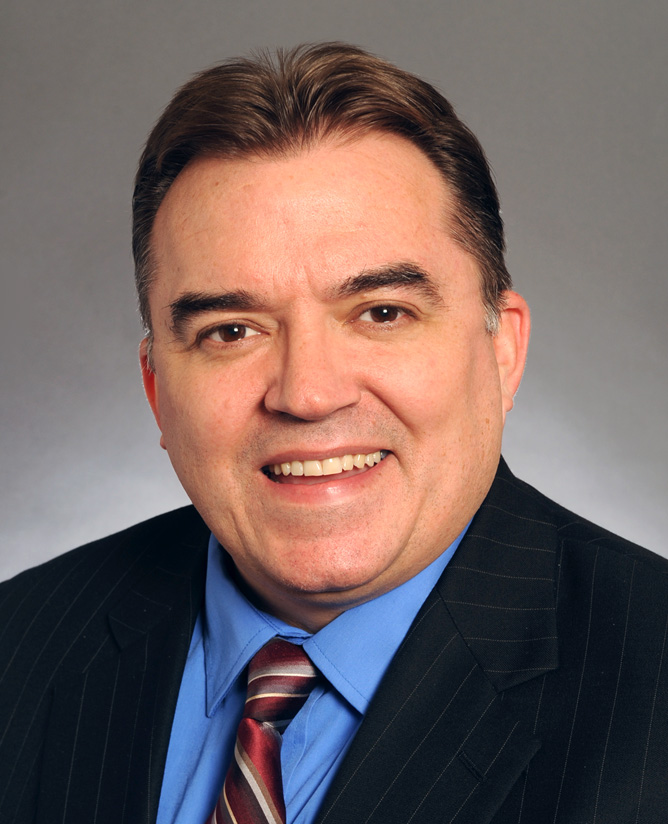
Sen. John Hoffman
Sponsored bills
Maddy summaryThis bill requires landlords in Minnesota to provide residential tenants with utility bills (for submetered or apportioned service) at least 31 days after issuance. It directly affects landlords who bill tenants for utilities like electricity, gas, or water, and tenants who receive these bills. Key provisions mandate that bills include specific details like meter readings, rates, tenant portions of taxes, and clear payment due dates. Landlords must also disclose billing frequency and tenant rights in leases or written notices. The law amends Minnesota Statutes 216B.023 and 504B.216 to enforce these transparency and timing requirements.
Maddy summarySF 3170 requires Tribally licensed residential substance use disorder treatment programs in Minnesota to enroll in the state's substance use disorder demonstration project by January 1, 2028. This applies specifically to residential programs licensed by tribal nations, not nonresidential programs (which may choose to participate). Programs that fail to enroll by the deadline will lose eligibility for state payments under section 256B.0625 for services provided. The bill amends Minnesota Statutes 2024, section 256B.0759, to establish this requirement and ensures affected providers can still access payment if they meet the demonstration project's standards.
Maddy summaryThis bill requires Minnesota hospitals to maintain registered nurse staffing levels that meet nationally recognized, evidence-based standards. It mandates hospitals to create and publicly share staffing plans specifying patient-to-nurse ratios for each unit, with flexibility to adjust for patient safety needs. The bill also prohibits hospitals from retaliating against nurses who raise staffing concerns and imposes civil penalties for non-compliance. These requirements apply to all licensed hospitals in Minnesota and aim to ensure adequate staffing for patient safety.
Maddy summarySF 1492 establishes a Civil Commitment Coordinating Division within the Minnesota Attorney General's Office, led by a coordinator appointed by the attorney general. This division creates a Civil Commitment Advisory Committee (with 11-20 members representing courts, counties, treatment providers, civilly committed individuals, and family members) to develop best practices and guidance for engagement services, outpatient civil commitment, and provisional discharge. The bill also authorizes grant programs to support these services and requires data collection, analysis, and public awareness campaigns to improve outcomes for people under civil commitment. It directly affects courts, counties, treatment facilities, community programs, and individuals subject to civil commitment under Minnesota law.
Maddy summarySF 1503 prohibits health care providers from charging facility fees - extra charges for administrative costs like building or billing expenses - on nonemergency services at off-campus clinics owned by hospitals (provider-based clinics) and for specific services like outpatient evaluations. Hospitals must report on any facility fees they charged, including patient counts and amounts collected, starting in 2027, and publish this data online. The health commissioner can expand the ban to cover additional services deemed safe to provide outside hospitals. This law directly affects patients receiving nonemergency care at these clinics and hospitals that previously collected such fees.
Maddy summarySF 3155 cancels $15 million in previously allocated funds for ALS research and appropriates $15 million from the general fund for a one-time collaborative research partnership between the University of Minnesota Board of Regents and the Mayo Clinic. This funding supports ongoing ALS research with the goal of improving lives for those affected and finding a cure, directly impacting researchers at these institutions. The bill requires the University of Minnesota to submit annual reports starting January 2026 detailing how funds are used until 2030 or when fully expended. It repeals the prior ALS research appropriation law (Laws 2022, chapter 42, section 2) that had managed smaller, multi-year grant programs.
Maddy summaryThis bill establishes a one-time grant fund to support pretraining programs for direct support professionals in Minnesota. It appropriates money from the general fund for the Minnesota Ethnic Providers Network to develop tailored training curriculum, provide workforce readiness training for new workers, and expand recruitment efforts - particularly targeting diverse and underrepresented communities. The program aims to strengthen the direct care workforce by collaborating with community organizations and educational institutions. This funding directly benefits potential direct support professionals seeking entry into the field, especially those from groups historically underrepresented in the workforce.
Maddy summarySF 2554 appropriates $170,000 from the workforce development fund for a one-time grant to Equitable Development Action. The funding supports training and ongoing support for direct support professionals (DSPs) who provide 24/7 care to residents with disabilities, mental health needs, or chronic illnesses. Key provisions include implementing safety-focused training, establishing mental health resources and peer support networks, and offering specialized modules to improve care quality and reduce emergency calls. Expected outcomes include better resident safety, higher DSP job satisfaction, reduced turnover, and enhanced compliance with regulations. The appropriation is available until June 30, 2027.
Maddy summarySF 821 is a technical amendment to Minnesota's renewable energy law that clarifies which hydroelectric projects qualify under the state's renewable energy standard. The bill updates the definition to specify that hydroelectric capacity qualifies if it is under 100 megawatts or 100 megawatts or more (if operational by February 8, 2023). This change ensures electric utilities generating qualifying hydroelectric power can count it toward renewable energy requirements. The bill directly affects utilities operating hydroelectric facilities meeting these specific capacity and operational criteria. It does not alter the 100-megawatt threshold or the February 2023 operational date, merely restating existing eligibility rules for clarity.