

Maddy summarySF 2828 appropriates $4 million to Isuroon for a program supporting microbusinesses in underserved Minnesota communities. It provides loans, grants for start-up costs, business training, and a shared-resource incubator program, with priority given to businesses owned by women, immigrants, and people of color. The program requires Isuroon to report annually on loan/grant distribution, recipient demographics, and business outcomes like job creation by January 2027. This funding directly affects small, locally owned businesses seeking capital and support to grow.
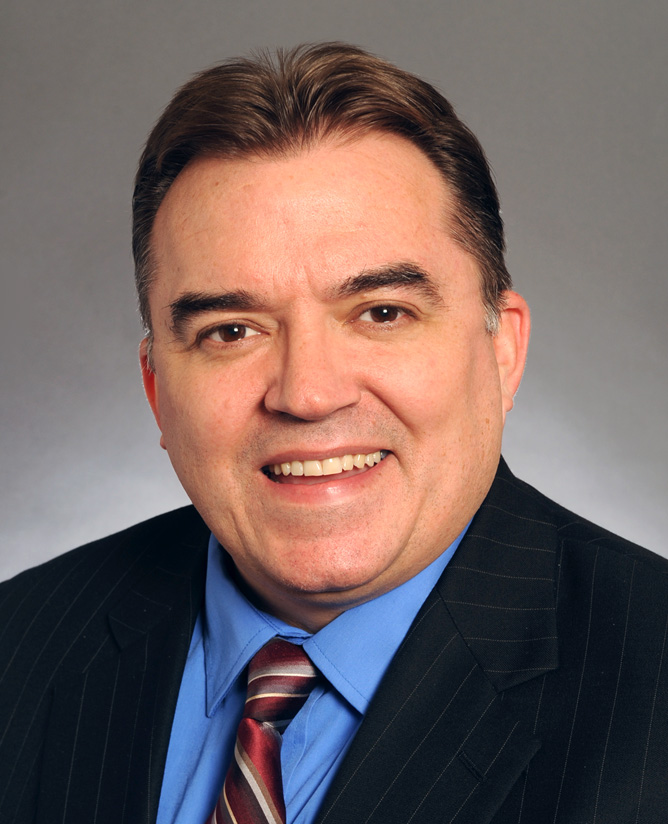
Sen. John Hoffman
Sponsored bills
Maddy summaryThis bill changes Minnesota's fishing regulations for largemouth and smallmouth bass by establishing a continuous open season, meaning anglers can fish for these species year-round without seasonal restrictions. It directly affects recreational anglers in Minnesota who target these bass species, replacing the current seasonal limit (Memorial Day weekend through February). The key mechanism is amending Minnesota Statutes section 97C.395 to move largemouth and smallmouth bass into the list of fish species already covered under a continuous open season. This aligns bass fishing rules with other commonly fished species like sunfish and perch. The change eliminates the need for seasonal closures for these specific bass types.
Maddy summarySF 2183 appropriates $5 million from Minnesota's general fund for fiscal year 2026 to create a Black veterans support program. The bill directs the Commissioner of Veterans Affairs to award a grant to an organization to develop and run a comprehensive program specifically for Black veterans in Minnesota. Key provisions include $1.5 million for mental health services, $1 million for job training and employment support, $700,000 for homeownership assistance, $500,000 for educational support, and $1 million for administration. This one-time funding establishes a targeted support system addressing mental health, employment, healthcare access, financial literacy, and housing needs for Black veterans.
Maddy summaryThis bill defines 13 specific conditions that must be met for a missing person to be considered "endangered," such as abduction, missing for over 30 days, medical needs requiring immediate care, or mental impairment like dementia or autism. It requires the commissioner of public safety to create policies for issuing public alerts about missing and endangered persons, including criteria for alerts and the information to share with the public. The bill also establishes a Public and Local Alert Advisory Board with 13 members representing law enforcement, health services, aging organizations, autism advocacy, and mental health groups to advise the commissioner on these policies. This board will help standardize alert protocols to ensure timely public notifications for vulnerable missing persons cases.
Maddy summaryThis bill requires Minnesota public schools to include overdose recognition, prevention, and response education in health classes for students in grades 6 through 12. It amends Minnesota Statutes section 120B.215 to add this specific curriculum requirement to statewide health education standards. The change applies to all public school districts and directly affects students in middle and high school. The bill updates existing health education standards without creating new funding or programs.
Maddy summaryThis bill allocates $15 million from regional transportation tax proceeds to the University of Minnesota for replacing suicide prevention barriers on the Washington Avenue Pedestrian Bridge in Minneapolis. The funds must be used to design and construct new pedestrian enclosure and deterrent barriers, with requirements to consult suicide prevention organizations and experts during planning. It directly affects the University of Minnesota (as the grant recipient) and bridge users, particularly those at risk of self-harm. The provision modifies standard transportation fund allocation rules to prioritize this specific safety project.
Maddy summaryThis bill requires Minnesota internet service providers to offer low-cost broadband to eligible low-income households. It mandates providers to offer 25 Mbps service for $15/month or 200 Mbps for $20/month to households receiving Minnesota Family Investment Program, SNAP, medical assistance, or LIHEAP benefits. Providers must report annually on enrollment, eligibility verification, advertising efforts, and service details to the commission. The law also requires equal contract terms (excluding price/speed) and promotes provider outreach to eligible customers.
Maddy summaryThis bill requires a commemorative work honoring Minnesota's first recorded Italian immigrant to be installed on the State Capitol grounds. The Capitol Area Architectural and Planning Board must lead the design process by consulting historians and Italian-American organizations, with the work completed by December 2027. The state appropriates funds from the general fund for the project, available until June 2028, to cover design, installation, and a dedication ceremony. It directly affects the Capitol complex and recognizes Italian-American contributions to Minnesota's history.
Maddy summaryThis bill establishes "Donate Life" special license plates for Minnesota vehicle owners. To obtain these plates, owners must pay standard special plate fees plus a $25 annual contribution to an organ and tissue donation account. Funds collected support LifeSource, the nonprofit managing donation registry, education, and outreach programs. The plates feature a national donation logo and "Donate Life" inscription, and will be available starting January 1, 2026. The program directly affects vehicle owners who choose to participate in this voluntary donation awareness initiative.
Maddy summaryThis bill authorizes a one-time $1.5 million grant for 2026 and another $1.5 million for 2027 to Hennepin County Community Action Partners to address truancy. It directly affects children aged 8-18 in Hennepin County, with specific focus on African American youth involved in both truancy and the child protection system. The grant funds must create culturally welcoming spaces and support services including mentoring, family reconnection, job preparation, and trauma-informed life skills training. The funds are restricted to these specific interventions and cannot be carried over beyond the designated fiscal years.