

Maddy summaryMinnesota Senate File 647 amends the definition of "serious crime" for recall petitions against state officials. It expands the grounds to include specific misdemeanors (not just felonies or gross misdemeanors) involving assault, dishonesty, harassment, or public safety threats. This change affects recall petitions filed after the bill's effective date, allowing voters to target officials convicted of these misdemeanor offenses. The bill does not alter recall procedures or thresholds beyond this expanded definition of "serious crime."
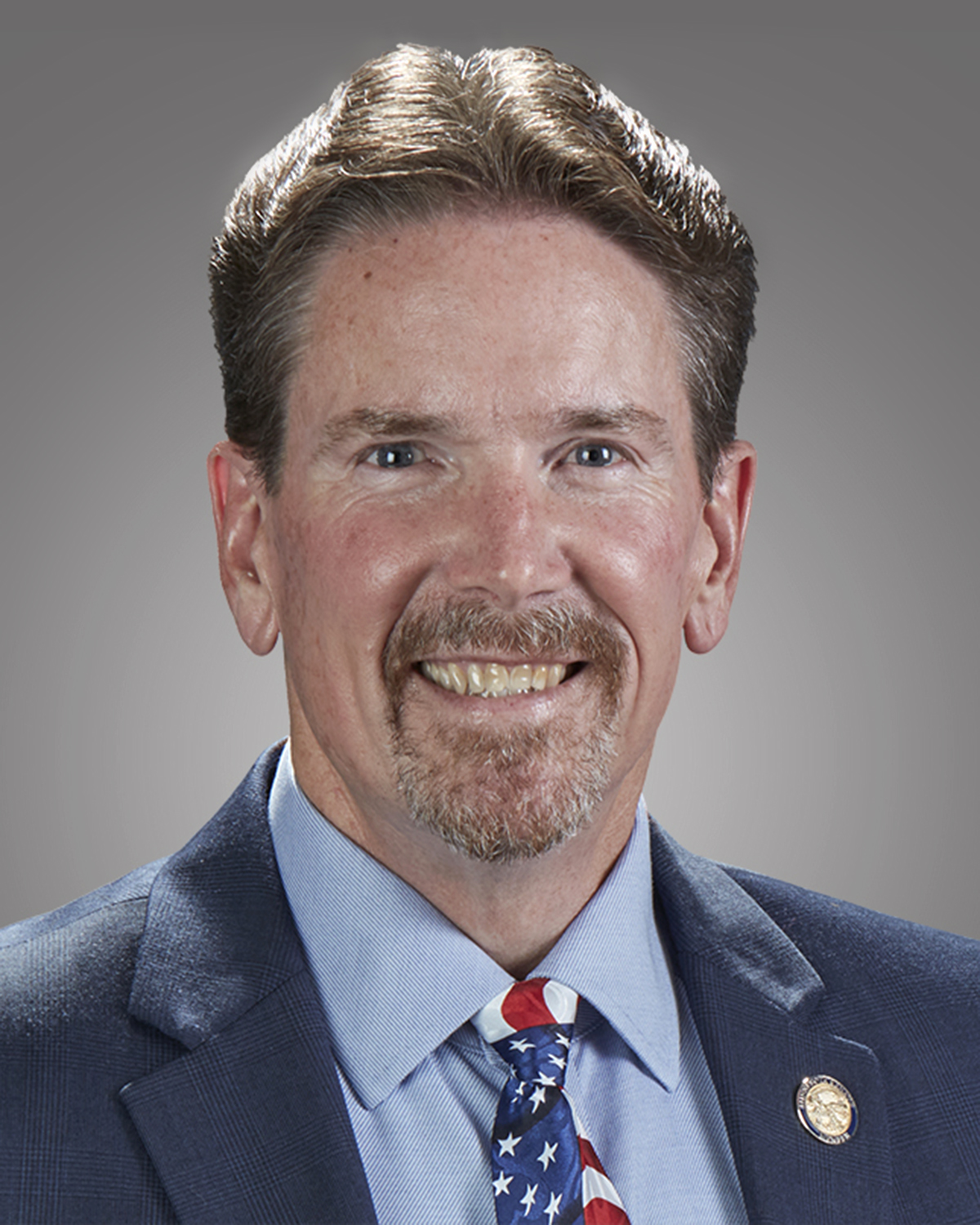
Sen. Mark Koran
Sponsored bills
Maddy summaryThis bill (SF 652) requires that the growth in new full-time equivalent positions across most state agencies cannot exceed the projected growth in Minnesota's population, as determined by the state demographer. It directly affects executive branch state agencies (excluding Minnesota State Colleges and Universities) by limiting their hiring pace to match population trends. The key mechanism sets a strict cap: each year, the total number of new state jobs must grow at or below the rate of population growth. This policy aims to align state workforce expansion with demographic changes rather than other factors. The bill applies to all state agencies covered under Minnesota Statutes section 16A.011, subdivision 12a.
Maddy summarySF 649 clarifies which voter registration data in Minnesota is public versus private. It designates specific details like Social Security numbers, driver's license numbers, dates of birth, and military IDs as private data, meaning they cannot be publicly shared. The bill also requires anyone requesting voter data to sign a written statement confirming it will only be used for elections, political activities, or law enforcement. Voters can additionally request that their name be withheld from public lists for safety reasons, making that information private. This directly affects voters, election officials, and anyone seeking voter registration data.
Maddy summaryThis bill prohibits counties, municipalities, and school districts in Minnesota from accepting contributions from for-profit businesses or nonprofit organizations to cover election expenses. It directly affects local governments by banning them from using funds from these outside sources for federal, state, or local election costs. The key provision adds a new section to Minnesota Statutes 2024, section 204B.32, explicitly stating that such contributions cannot be accepted "in any form" for election expenses. The policy change removes any existing local authority to accept these contributions, making the prohibition enforceable statewide.
Maddy summaryThis bill creates a new "microenterprise home kitchen operation license" for Minnesotans who prepare and sell food from their homes. It directly affects small home-based food businesses that currently lack a legal pathway to sell cooked goods, such as baked goods or prepared meals. Key provisions require the commissioner to issue the license within 30 days of application, make it valid for one year (January 1-December 31), and allow annual renewal. The license specifically excludes sales at retail locations or for consumption on-site, aligning with existing home kitchen regulations. This establishes a formal, accessible licensing process for home food operations under new Chapter 31C of Minnesota Statutes.
Maddy summaryThis Minnesota Senate resolution (SF 566) asks Congress to call a constitutional convention to propose amendments addressing three specific issues: limiting federal spending (fiscal restraints), reducing federal power over states, and imposing term limits on federal officials and members of Congress. It does not create new laws but formally requests Congress to convene a convention under Article V of the U.S. Constitution. The resolution is a continuing application, meaning Minnesota will maintain this request until two-thirds of states support similar proposals. It directly affects Minnesota's relationship with federal governance by formally advocating for constitutional changes through the state legislature's petition.
Maddy summarySF 499 reduces the filing fee for complaints about government data practices from $1,000 to $200. This change directly affects individuals or organizations filing formal complaints alleging violations of Minnesota's data practices laws against government entities. The bill amends Minnesota Statutes section 13.085, specifically modifying the fee requirement in the complaint process while keeping all other procedural rules unchanged. It aims to lower financial barriers for citizens seeking to address potential government data misuse. The fee reduction applies to all complaints filed under this section, effective upon enactment.
Maddy summaryThis bill establishes a process for Minnesota to select delegates to a potential constitutional convention called under Article V of the U.S. Constitution. It requires the Senate majority leader, Senate minority leader, House speaker, and House minority leader to each appoint one delegate, with the four appointing authorities needing to unanimously choose a fifth delegate. If they cannot agree on the fifth delegate, Minnesota would send only four delegates. The bill also outlines procedures for appointing alternates and sets a 30-day deadline before the convention date for all appointments.
Maddy summaryThis bill prohibits municipalities from accepting their own municipal ID cards as valid identification for state or federal services. It directly affects residents who rely on municipal IDs (issued by cities to verify residency) when accessing services like state benefits or federal programs. The key provision explicitly states that municipal IDs cannot be used to meet identification requirements for these services, regardless of existing laws or rules. The bill takes effect immediately after enactment.
Maddy summaryMinnesota Senate Bill 319 makes it a felony to knowingly mix fentanyl into other controlled substances or drugs, or to replace the contents of drug packages with fentanyl. This directly affects individuals who alter or substitute drugs with fentanyl, such as those who add fentanyl to counterfeit pills or drugs without warning. The bill establishes specific penalties for these acts, including modifying drug containers to contain fentanyl, while exempting medical professionals like pharmacists and doctors acting in their professional roles. The law will take effect on August 1, 2025, applying to offenses committed on or after that date.