

Maddy summaryThis bill requires Minnesota school districts to report witnessed student fights and physical assaults on staff to the state education commissioner. School employees who witness student fights must notify administrators and file a police report, and districts must submit these reports electronically within 30 days. Reports must include student demographics (age, grade, race, special education status) and details about disciplinary actions taken. The data will be aggregated annually and included in statewide school performance reports. This affects school districts, staff, and students involved in reported incidents.
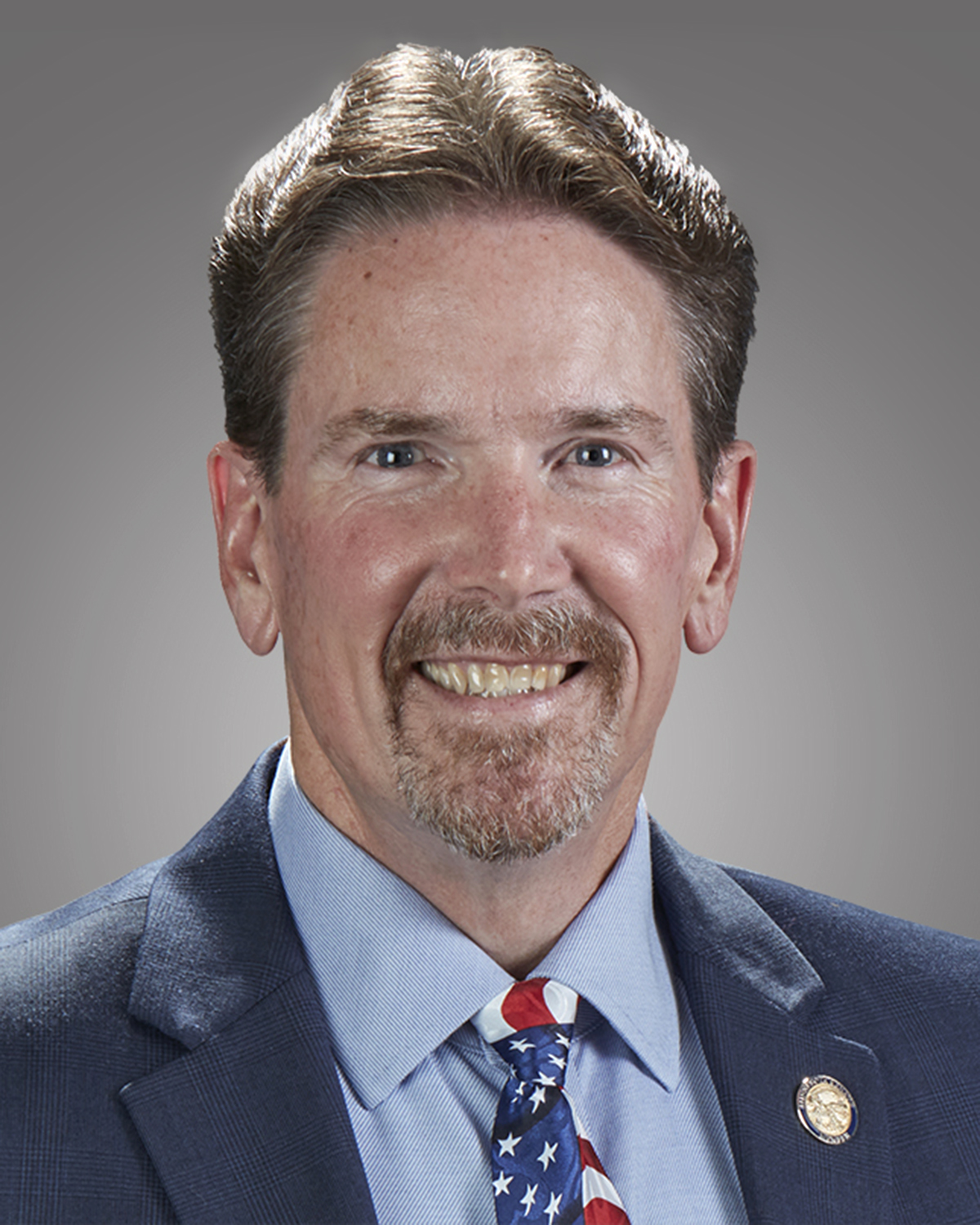
Sen. Mark Koran
Sponsored bills
Maddy summaryThis bill allows lawful firearm carry and possession at Minnesota State Fairgrounds by amending rules to prevent the State Agricultural Society from banning firearms through bylaws. It requires any "reasonable request" to prohibit firearms (e.g., posting specific signs at entrances) to meet strict visibility standards: 187 square inches, 1.5-inch black lettering, and placement 4-6 feet high. The bill explicitly excludes private residences, security guards acting in their role, and peace officers from these restrictions. It takes effect August 1, 2025, directly affecting fairgoers, vendors, and the State Fairgrounds management.
Maddy summaryThis bill requires the Minnesota Sentencing Guidelines Commission to create and maintain a publicly searchable online database of criminal sentencing information. The database must include specific details like case numbers, defendant names, offense dates, crime types, sentencing lengths (both executed and stayed), and whether sentences deviated from standard guidelines. It mandates that all data be organized into searchable fields and downloadable, while ensuring only publicly available information is included. The bill appropriates funding for the database's development and maintenance through fiscal years 2026-2028.
Maddy summarySF 391 increases Minnesota's annual sales limit for cottage food businesses from $78,000 to $85,000 and raises the fee exemption threshold from $5,000 to $8,500 in gross receipts. This directly affects home-based food producers selling non-hazardous or home-canned foods (like pickles, fruits, or vegetables with specific pH/water activity levels) without state licensing. The bill requires these businesses to register annually ($50 fee, waived for under $8,500 in sales) and mandates the commissioner to submit biennial reports to the legislature on threshold adjustments and inflation impacts. These changes aim to update economic thresholds while maintaining the exemption's core structure for small-scale home food operations.
Maddy summaryThis bill appropriates $3.5 million from state highway bonds to fund a roundabout at the intersection of U.S. Highway 8 and Chisago County State-Aid Highway 21 in Shafer, Minnesota. It authorizes the state to sell up to $3.5 million in bonds, with proceeds deposited into the trunk highway fund to cover environmental analysis, design, and construction costs. The funding specifically targets the Shafer intersection project, which is eligible for bond financing under Minnesota law. The bill does not change transportation policy but provides the financial mechanism for this specific infrastructure project.
Maddy summaryThis bill appropriates $4 million from the general fund for fiscal year 2026 to help the city of North Branch plan and build a new interchange at Interstate Highway 35 and 400th Street. The funds cover predesign, design, and land acquisition costs for the project, but only after the state confirms nonstate funding sources are secured. The appropriation is one-time and must be used before the project is completed or abandoned. It directly affects the city of North Branch by providing state funding for a specific infrastructure project.
Maddy summarySF 317 appropriates $1.5 million from state bonds to fund preliminary work for rebuilding an interchange at I-35 and County State-Aid Highway 19 in Chisago County. The funds cover engineering studies, environmental reviews, final design, and land acquisition for the interchange and adjacent roads. Chisago County will receive the grant to advance this infrastructure project, which affects local commuters and traffic flow. The state will sell bonds up to $1.5 million under Minnesota’s bond laws to finance these initial project costs.
Maddy summarySF 313 prevents Minnesota from denying a person's right to purchase, own, possess, or carry a firearm solely because they are enrolled as a medical cannabis patient. The bill amends Minnesota Statutes (sections 624.712, 624.713, and others) to clarify that "qualifying patient" status under medical cannabis law does not trigger firearm restrictions. It directly affects medical cannabis patients who previously faced potential firearm denial under existing law. The key mechanism is adding specific definitions to state law, ensuring cannabis registry enrollment alone cannot be used to prohibit firearm rights. This bill does not change other firearm restrictions or medical cannabis laws.
Maddy summarySF 355 requires Minnesota's commissioner of children, youth, and families to create a plan by January 15, 2026, to reduce paperwork in child protection cases. The plan must be developed with input from counties, tribal governments, and child welfare agencies, and include specific changes, implementation timing, and ongoing feedback procedures. It directly affects social workers, foster care providers, tribal governments, counties, and child placing agencies by aiming to simplify administrative tasks. The bill focuses on streamlining current processes without altering child protection standards or outcomes.
Maddy summaryThis bill authorizes Minnesota to issue up to $8 million in state bonds to fund a new public safety facility in the city of Wyoming, Minnesota. The funds will be provided as a grant to the city for constructing a combined facility for its fire and police departments. The bill directs the state commissioner of management and budget to sell the bonds under existing state bond laws, with the appropriation effective upon final enactment. It directly affects Wyoming's local public safety operations by enabling the construction of a shared facility for fire and police services.