

Maddy summarySF 600 requires county auditors and municipal clerks to publish temporary polling location details online. Specifically, they must post the address, dates, and hours of any temporary polling place on their website within five business days of designating it. The secretary of state must also post this information on their website within five business days of receiving notice. This applies to all temporary locations established under the law, including those requested by federally recognized tribes or postsecondary institutions with on-campus housing for 100+ students. The bill directly affects local election officials and ensures voters can access location information promptly.
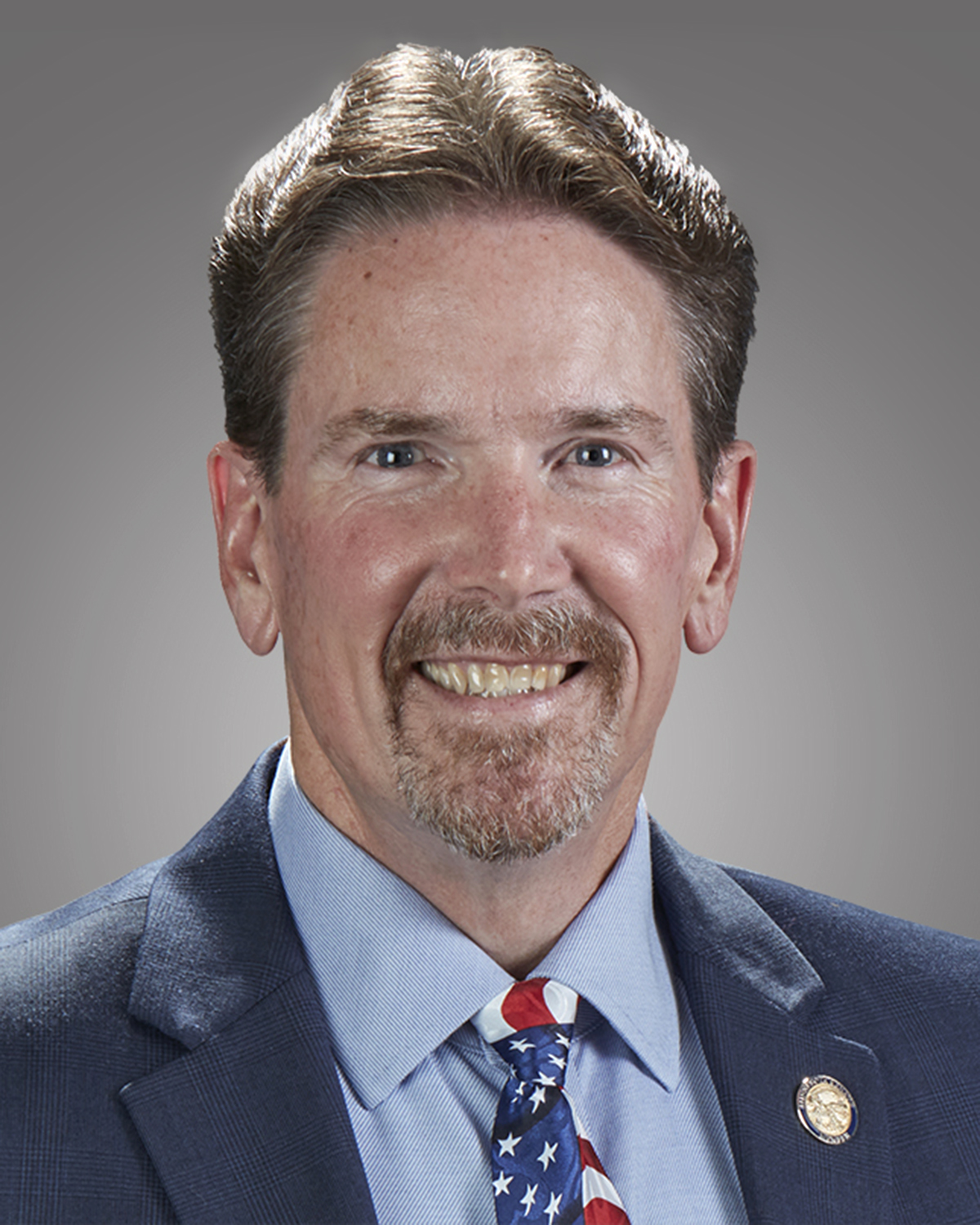
Sen. Mark Koran
Sponsored bills
Maddy summarySF 645 amends Minnesota law to restrict how public union representatives use time off work for union duties. It directly affects elected or appointed union officials (including those representing teachers in other school districts) who receive employer-approved time off. The key provision adds that this time off "must not be used to engage in any political activities." The bill modifies existing statute 179A.07, subdivision 6, to impose this specific limitation on the use of release time.
Maddy summarySF 653 appropriates $2.75 million for city infrastructure improvements along Cambridge's Trunk Highway 95, including traffic signals, street lighting, and utility upgrades, and $1.28 million for relocating Burlington Northern Santa Fe railroad tracks at its intersection with Highway 95. The bill authorizes the state to sell up to $4.03 million in bonds to fund these projects, with the money directed to the city of Cambridge through the commissioner of transportation. These funds cover both highway infrastructure reconstruction and railroad relocation work, directly benefiting Cambridge's local infrastructure and transportation systems. The bond issuance follows standard state procedures under Minnesota Statutes.
Maddy summarySF 642 prohibits Minnesota political parties from accepting contributions from registered lobbyists, political committees, or unregistered associations during regular legislative sessions. It also bans these entities from making such contributions to parties or party committees within the legislature. Key provisions specifically forbid contributions for events (like fundraisers) or facility access during sessions, even if made outside the session. This directly affects political parties, lobbyists, and political committees operating in Minnesota's legislature during active sessions. The bill amends Minnesota Statutes section 10A.273 to enforce these restrictions.
Maddy summarySF 640 makes election judge party affiliation publicly available data in Minnesota. The bill requires county election officials to maintain and publish a list showing each election judge's major political party affiliation (or if they don't affiliate with a major party). This changes current law, which restricted sharing this information beyond verifying precinct party balance requirements. The bill repeals the previous restriction that limited disclosure of this data. It directly affects election judges by making their party affiliation part of publicly accessible records.
Maddy summaryMinnesota Senate File 641 prohibits counties, municipalities, and school districts from accepting any contributions from for-profit businesses or nonprofits specifically intended to cover election-related expenses (such as federal, state, or local elections). The bill amends Minnesota law to create this new restriction, overriding any local charter or ordinance that might allow such contributions. An exception is included for entities providing free or discounted polling place space. The law takes effect the day after final enactment.
Maddy summaryThis bill appropriates $2,000,000 from the general fund for fiscal year 2026 to fund the FATHER Project through Goodwill Easter Seals Minnesota. It directly supports fathers in Rochester, Park Rapids, St. Cloud, St. Paul, and Minneapolis who face economic and emotional barriers to supporting their children. The grant will continue the project's existing services to help these fathers improve their ability to care for their children both financially and emotionally. The funding is specific to the project's current service areas and purpose, with no new policy requirements beyond the appropriation.
Maddy summaryMinnesota Senate File 639 prohibits cities, counties, townships, and school districts from adopting or enforcing ranked-choice voting (RCV) for local elections. The bill bans any local rule, ordinance, or charter provision that establishes RCV - a system where voters rank candidates by preference - or similar voting methods. It specifically states that such local efforts would be void, applying to all local offices within these political subdivisions. The law takes effect the day after final enactment for elections held on or after that date.
Maddy summarySF 690 prohibits state-funded services - including MinnesotaCare health coverage and the North Star Promise scholarship program - from being provided to undocumented noncitizens. The bill amends Minnesota statutes to define undocumented noncitizens as those residing in the U.S. without approval from U.S. Citizenship and Immigration Services, excluding them from eligibility for these state programs. It explicitly states that undocumented individuals cannot receive any financial aid, grants, or services paid for with state tax revenue. The changes take effect immediately upon final enactment, with the North Star Promise scholarship ineligibility applying to awards beginning fall 2025. This directly affects undocumented noncitizens seeking healthcare or postsecondary education support through state programs.
Maddy summaryThis bill prohibits Minnesota local governments from enacting policies that restrict cooperation with federal immigration enforcement. It specifically bans cities or counties from creating "noncooperation" ordinances that would prevent law enforcement from sharing immigration status information with federal agencies or reporting undocumented individuals arrested for violent crimes. County attorneys must report such arrests to U.S. Immigration and Customs Enforcement (ICE), even if no charges are filed. The law applies to all government entities and public employees, requiring them to share immigration data for federal enforcement purposes. It takes effect immediately upon final enactment.