

Maddy summaryThis bill authorizes Minnesota's Department of Transportation (MnDOT) to research autonomous mower technology for use on state-owned properties. Specifically, it requires MnDOT to study how robotic mowers could be used at rest areas, highway rights-of-way (including ditches and shoulders), and other public properties owned by the department. The bill appropriates $150,000 for this research, mandates purchasing equipment from Minnesota-based companies, and requires a report by February 2027 analyzing safety, cost-benefit, pilot project planning, and impacts on worker safety and maintenance needs. The research aims to determine if autonomous mowers could improve efficiency, safety, and cost-effectiveness compared to traditional methods.
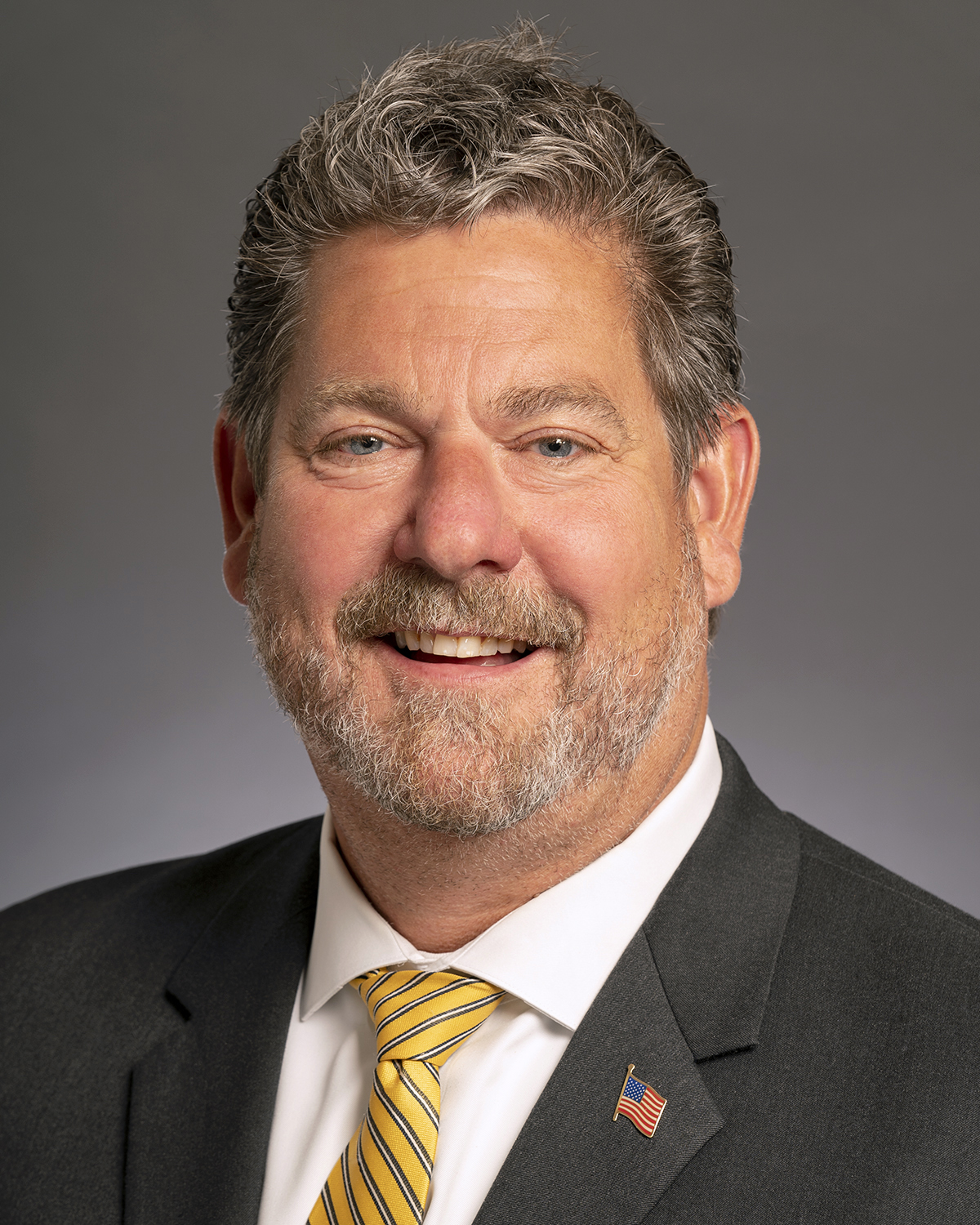
Sen. John Jasinski
Sponsored bills
Maddy summaryThis bill prohibits individuals convicted of using a commercial vehicle for specific felony offenses from ever operating such vehicles again. It directly affects commercial drivers convicted of felony drug crimes (under Chapter 152) or certain human trafficking offenses (under sections 609.281, 609.282, or 609.322). The key provision mandates a permanent disqualification by the commissioner upon conviction for these offenses. The law applies to offenses committed on or after August 1, 2025.
Maddy summarySF 727 repeals Minnesota’s adoption of California’s clean vehicle emission standards, specifically removing four rules (7023.0150-7023.0300) that required automakers to sell zero-emission and low-emission vehicles meeting California’s requirements. This directly affects vehicle manufacturers selling new cars in Minnesota and consumers purchasing new vehicles, as it eliminates the state’s requirement to offer models complying with California’s standards. The bill removes Minnesota’s enforcement of California’s vehicle emission rules, meaning automakers would no longer need to meet those specific standards to sell vehicles in the state. This change would end Minnesota’s alignment with California’s clean car program, which aimed to reduce vehicle emissions.
Maddy summaryThis bill appropriates $5.6 million in state bonds from the transportation fund and $2.4 million from the trunk highway fund to improve intersections along U.S. Highway 14 in Byron. It funds environmental analysis, design, and construction of grade-separated interchanges (replacing at-grade crossings with overpasses or underpasses) at key intersections, including those with Olmsted County State-Aid Highways 3 and 5. The funds cover the city of Byron and Olmsted County's share for these infrastructure upgrades. The project directly affects local drivers, residents, and businesses in Byron by enhancing traffic flow and safety at these intersections.
Maddy summarySF 583 allows public transit operators (defined as providers of transit bus services) to perform third-party testing for school bus drivers. It amends Minnesota law to let school districts and school bus companies contract with transit operators to test drivers who provide school bus service, including transit operators' own drivers. Agreements between entities must be submitted to the commissioner for approval, and certified testers must be employed by the testing organization. This bill directly affects school districts, school bus companies, and transit operators by creating a formal process for shared driver testing. The changes take effect July 1, 2025.
Maddy summarySF 76 clarifies and codifies Minnesota's self-defense laws, directly affecting residents who use force in defense of their home, person, or vehicle. The bill eliminates the requirement to retreat when facing a threat outside one's home, expands the definition of "dwelling" to include occupied vehicles and temporary living spaces like tents, and creates a presumption that a person using force in their dwelling or vehicle had a reasonable fear of imminent harm. It specifies that deadly force is justified to prevent a felony in one's dwelling, stop an immediate threat of serious harm or death, or stop a forcible felony. These changes apply to all Minnesotans using force in self-defense situations.
Maddy summaryThis bill appropriates $2.5 million for fiscal year 2026 and $2.5 million for fiscal year 2027 from the general fund to support Minnesota’s existing "Greater Minnesota business development public infrastructure grant program" under statute 116J.431. The funds will be administered by the commissioner of employment and economic development to provide grants for public infrastructure projects. These grants directly assist businesses located outside Minnesota’s major metropolitan areas (referred to as "Greater Minnesota") that require infrastructure improvements to support growth or operations. The bill does not create new policy but allocates specific funding for an established program.
Maddy summaryThis bill increases penalties for obstructing traffic on trunk highways, airports, or transit systems in Minnesota. It amends Minnesota Statutes to make interfering with traffic on freeways or airport property a gross misdemeanor (up to 90 days in jail or $1,000 fine), excluding law enforcement and emergency responders acting in their duties. For transit vehicles, it raises fines for non-violent obstruction to $3,000 (from $1,000) and keeps higher penalties ($5,000) for violent or threatening cases. The changes apply to offenses committed on or after August 1, 2025. The bill directly affects individuals who disrupt traffic flow on these specific infrastructure types.
Maddy summaryThis bill appropriates $1.5 million in state bond funds to help the city of Owatonna plan a new public safety facility. The funds will cover predesign and design work for a building housing Owatonna's fire and police departments, serving as Steele County's emergency operations center, and providing regional training for first responders. The state will sell $1.5 million in bonds to finance this planning phase, following Minnesota's bond issuance procedures. The project directly affects Owatonna city officials, Steele County emergency management, and regional fire/law enforcement personnel who will use the facility. The bill authorizes the initial planning funding but does not cover construction costs.
Maddy summarySF 723 appropriates $5.6 million in state bond funds to improve intersections along U.S. Highway 14 in Byron, Minnesota. The funds will support environmental analysis, design, and eventual construction of grade-separated interchanges at key intersections (including those with County Highways 3 and 5) to replace at-grade traffic signals. The money, drawn from the state transportation fund, will be provided as grants to the city of Byron and Olmsted County for their share of project costs. This includes acquiring right-of-way and building the new interchanges and associated infrastructure. The bill authorizes the state to issue up to $5.6 million in general obligation bonds to finance these improvements.