

Maddy summaryThis bill appropriates $6 million from state bond proceeds to fund new law enforcement and government facilities in Lake of the Woods County. The funds will cover designing, constructing, furnishing, and equipping facilities to improve public safety, accessibility, service delivery, and energy efficiency - including expanded mental health and emergency operations spaces. The state will sell up to $6 million in bonds to cover this cost, following standard bond issuance procedures under Minnesota law. The project directly affects Lake of the Woods County residents by upgrading local public safety infrastructure.
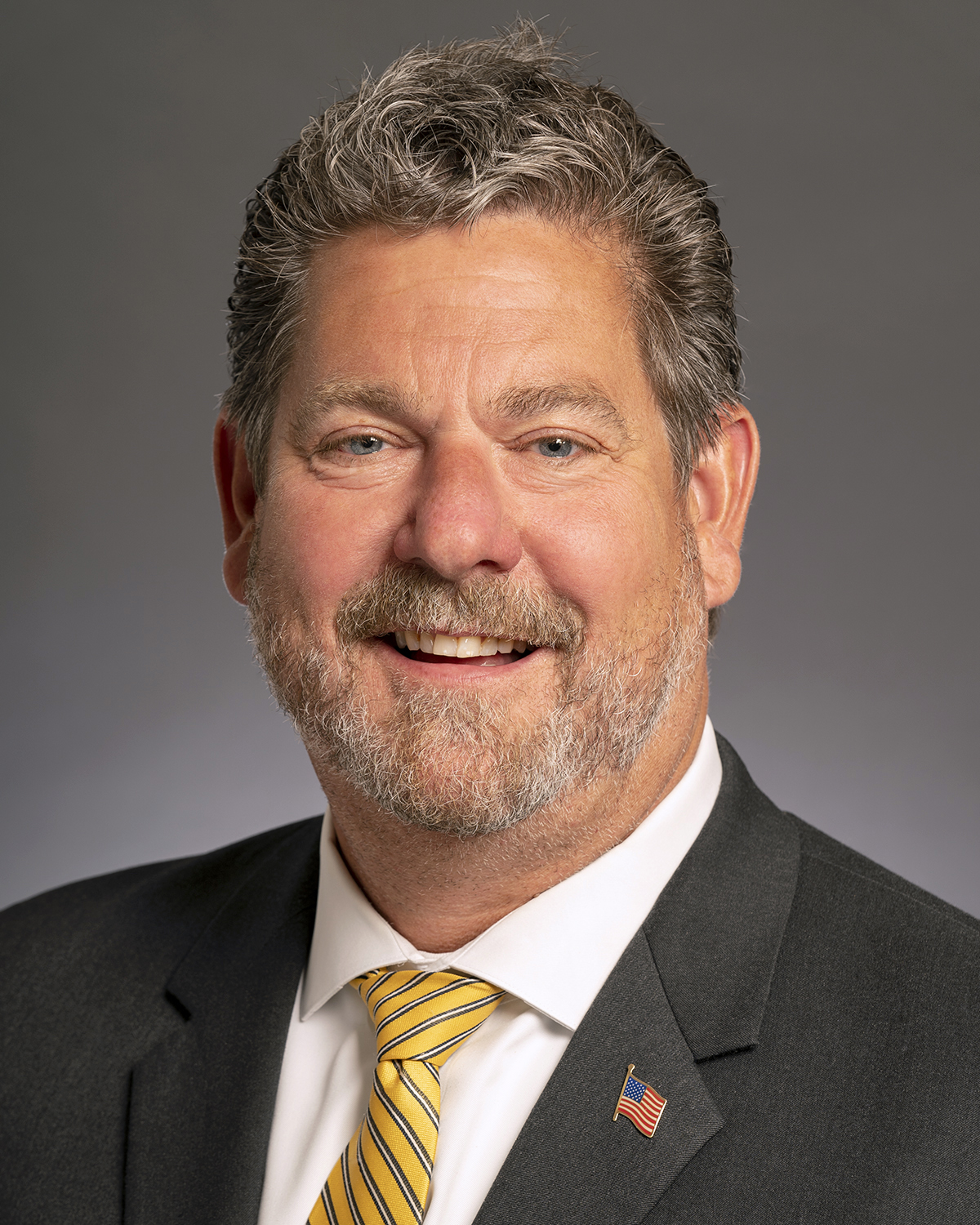
Sen. John Jasinski
Sponsored bills
Maddy summarySF 878 exempts the retail delivery of liquid fuels (such as gasoline or diesel) from Minnesota's retail delivery fee. This bill directly affects fuel retailers who deliver liquid fuels to customers, removing a fee they previously paid on these transactions. The key provision amends Minnesota Statutes § 168E.05, subdivision 1, by adding "a retail delivery of fuel products" as a specific exemption (item 3). This change clarifies that fuel delivery services are now explicitly excluded from the fee, aligning with the definition of "fuel products" added in § 168E.01. The bill makes a concrete policy change to the fee structure without altering tax obligations.
Maddy summarySF 872 amends Minnesota Statutes to establish clear rules for auto dealers' participation in auto shows. The bill specifically authorizes dealers to participate in certain auto shows and defines which events they may attend, removing ambiguity about permitted venues. It adds a new provision to sections 80E.12 and 168.27 of the statutes, directly affecting auto dealers by clarifying their eligibility to showcase vehicles at designated events. This change provides administrative clarity for dealers and event organizers without altering broader dealer-manufacturer relationship rules. The bill does not impose new financial requirements or restrict dealer operations beyond auto show participation.
Maddy summaryThis bill modifies Minnesota's definition of "employee" under the state's earned sick and safe time law. It explicitly excludes specific groups from eligibility, including volunteer/paid-on-call firefighters and ambulance personnel, elected officials or appointees filling vacancies, farm workers employed for 28 days or less annually, and inmates working in correctional facilities. The change clarifies who qualifies for sick and safe time benefits by refining the existing definition. This affects employers and workers in these excluded categories by determining their eligibility under current law. The amendment updates Minnesota Statutes section 181.9445, subdivision 5.
Maddy summaryThis bill appropriates $500,000 for fiscal year 2026 and $500,000 for fiscal year 2027 from the workforce development fund to provide a one-time grant to Big Brothers Big Sisters of the Greater Twin Cities. The funds will support job-seeking skills training, connections to job training/education, and career exploration mentorship for disadvantaged youth aged 12-21. The program specifically serves youth in Big Brothers Big Sisters chapters across the Twin Cities, central Minnesota, and southern Minnesota. This is a funding measure, not a policy change, directing existing state resources to an established youth mentoring organization.
Maddy summaryThis bill appropriates $1.3 million from state bond proceeds to fund the restoration of Redwood Falls' historic 1938 WPA Swayback Bridge (Bridge No. 89859). The funds will support the city of Redwood Falls in designing and constructing the restoration, specifically for preserving the bridge's granite and masonry exterior through repairs like stone replacement and tuckpointing. The state will issue up to $1.3 million in bonds to cover this cost, following standard bond procedures under Minnesota law. The project directly affects Redwood Falls' infrastructure and historical preservation efforts.
Maddy summaryThis bill modifies Minnesota's water infrastructure funding programs to increase support for communities. It raises the maximum grant amount for water projects from $5 million to $10 million per project (or $20,000 per connection), adjusts affordability thresholds for wastewater and drinking water systems based on household income, and establishes a new "emerging contaminants grant program" to address new water pollution threats. These changes apply to governmental units (like cities and counties) seeking funding for wastewater treatment, drinking water systems, and projects meeting federal or state water quality standards. The bill also authorizes bond issuance to fund these programs, with specific provisions for areas with challenging geology or strict discharge limits.
Maddy summaryThis bill appropriates $1,000,000 from the arts and cultural heritage fund to the Minnesota Historical Society for the Minnesota Transportation Museum in St. Paul. The funds will cover specific capital improvements including roof replacement, masonry stabilization, roundhouse door replacement, insulation installation, and ADA compliance modifications. The appropriation is available until the project is completed or abandoned, subject to state funding rules. The bill directly affects the museum's physical infrastructure and accessibility.
Maddy summaryThis bill appropriates a specific amount from the general fund for fiscal year 2026 to provide a grant to Rice County for water quality improvement work at French Lake. It directly affects Rice County residents and French Lake by funding services like water testing, infrastructure upgrades, and maintenance. The bill also extends the deadline for using a prior grant (from 2023) for the same French Lake project until June 30, 2027. The key mechanisms are the new funding allocation and the extended timeline for existing water quality efforts.
Maddy summaryThis bill appropriates $2,962,000 from state bond proceeds to fund specific capital improvements at a downtown Faribault municipal park. The funds will cover construction of an outdoor refrigerated skating loop, splash pad, trails, sidewalks, landscaping, lighting, seating, and parking areas. The state will issue bonds to cover the cost, following Minnesota's bond procedures, with the money directly supporting Faribault's park development project.