

Maddy summarySF 570 streamlines environmental permitting in Minnesota by setting new timeframes for decisions and improving reporting. It requires the Pollution Control Agency to issue permits within 90 days for simpler "tier 1" projects or 150 days for more complex "tier 2" projects involving public input. The bill also mandates annual reports on permitting efficiency, modifies rules for incomplete applications, and eliminates certain environmental assessment requirements for projects needing full environmental impact statements. These changes primarily affect developers, businesses seeking permits, and the Pollution Control Agency, aiming to reduce processing delays.
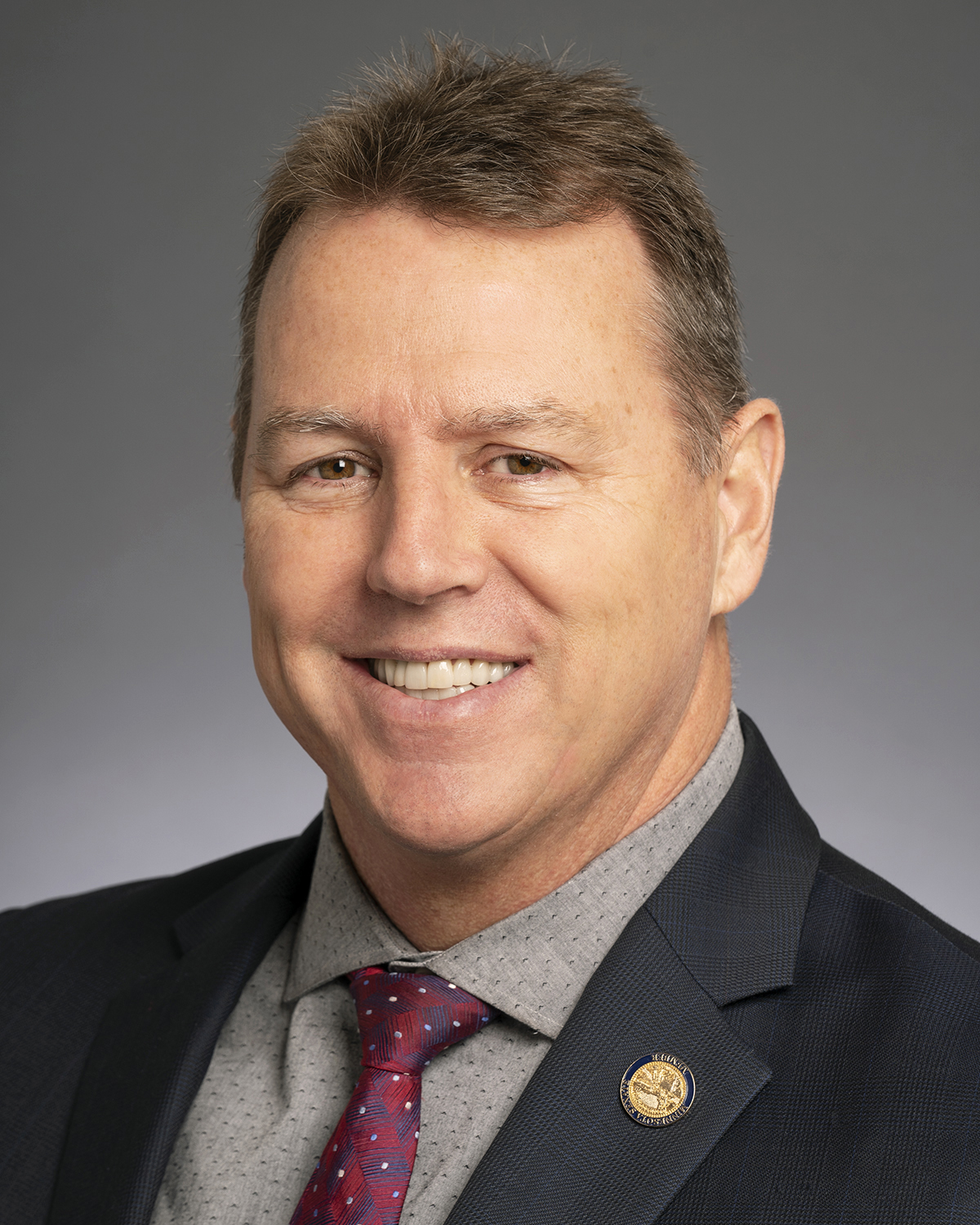
Sen. Nick Frentz
Sponsored bills
Maddy summarySF 3488 appropriates $5 million from the general fund to Youthprise for the predesign, construction, renovation, and equipping of a facility at 340 Cedar Street in St. Paul. This hub will provide space for youth housing cooperatives, workforce development programs, community wellness services, nonprofit operations, and community gatherings to serve youth and communities statewide. The bill directly funds the physical development of this multi-service center through a specific grant to Youthprise. It does not create new policies but allocates state funds for a defined capital project.
Maddy summaryThis bill amends Minnesota's earned sick and safe time laws (Minnesota Statutes sections 181.9445-181.9448) to clarify employer definitions and adjust key provisions. It specifies that employers with 15+ employees (including nonprofits, government entities, and staffing agencies) must provide at least 1 hour of sick time per 30 hours worked (capped at 48 hours yearly). Employers may either allow unused time to carry over (up to 80 hours total) or pay out unused time at year-end, with options for prorated initial employment time. The bill also updates notice requirements, allowing up to seven days' advance notice for foreseeable absences and mandating written policies for employees.
Maddy summarySF 3152 directs Minnesota's state government to appropriate up to $20 million annually from the general fund to the Minnesota Sports Facilities Authority for stadium improvements. This appropriation is contingent on revenue from electronic pull-tabs (a type of charitable gambling) exceeding the base year (fiscal year 2024) amount. The bill requires the commissioner to calculate the annual revenue increase by March 15 each year, with funds transferred by August 1. It directly affects the Sports Facilities Authority, which uses the funds for stadium projects, and the state's revenue system for electronic pull-tab gambling. The bill does not guarantee funding - only appropriates money if revenue growth occurs.
Maddy summarySF 3477 establishes a reimbursement program for owners of underground petroleum storage tank systems in Minnesota that have pressurized single-walled steel piping installed before the bill's effective date. The bill amends existing statutes to allow reimbursement from the petroleum tank release cleanup fund for replacing this specific piping type, which is considered a safety upgrade. It directly affects property owners and businesses operating such tank systems, covering costs for piping replacement but excluding tanks, dispensers, or other equipment. The program uses existing funds allocated for petroleum tank cleanup, with reimbursements limited to the specified piping replacement costs under new statutory provisions.
Maddy summarySF 3141 modifies Minnesota's paid leave program by clarifying eligibility definitions. It excludes seasonal hospitality workers (defined as those employed ≤150 days annually in hospitality) from coverage unless their employer elects to include them. The bill also updates rules for small employers, allowing them to opt into providing paid leave coverage for their employees. Additionally, it expands the definition of "family member" to include up to one annually designated individual with a personal relationship, beyond the existing list of relatives. These changes affect workers, employers, and family members seeking paid leave benefits under the program.
Maddy summarySF 3467 makes technical updates to Minnesota's pension and retirement laws to improve administrative clarity and efficiency. It revises provisions for the Legislative Commission on Pensions and Retirement, adjusts annual funding requirements for the statewide volunteer firefighter plan, and repeals outdated reporting rules for the State Board of Investment. The bill does not change benefit levels or eligibility for retirement programs but streamlines how pension systems are managed and reported. These updates modernize existing administrative processes without altering core retirement benefits for state employees and firefighters.
Maddy summaryThis bill authorizes $6,442,000 in state bonds to fund specific campus improvements at South Central College's North Mankato location. The funds will directly support the design, renovation, and equipment of classroom and lab spaces for six academic programs: agribusiness, architectural drafting, civil engineering technology, dental assisting, emergency medical services, and geographic information systems. The money comes from bond proceeds, requiring the commissioner of management and budget to sell state bonds up to this amount. These upgrades will benefit students enrolled in these programs by providing modern facilities for their training. The bill does not change existing college operations but allocates dedicated funding for targeted infrastructure.
Maddy summaryThis bill implements recommendations from a work group to update retirement eligibility for Minnesota correctional state employees. It modifies eligibility requirements to require employees to spend at least 75% of their work time in "direct contact" with inmates, patients, or clients in state facilities (including prisons, forensic hospitals, and sex offender programs). The bill adds a right to appeal coverage decisions, updates definitions of terms like "direct contact," and adjusts procedures for adding or removing retirement plan coverage. It directly affects correctional employees whose roles involve direct interaction with incarcerated or detained individuals as part of their regular duties.
Maddy summarySF 1393 creates an exemption for data centers in Minnesota's energy regulations. It adds a specific exemption (subdivision 12) to section 216B.243, stating that "a combination of emergency backup generators at a single site with a combined capacity of 50,000 kilowatts or more" is exempt from certain regulatory requirements. This directly affects data center operators installing large-scale backup power systems. The key mechanism is modifying existing statutes to explicitly exempt these large backup generator combinations from standard review processes for power generation projects. The bill does not mandate new requirements but clarifies regulatory treatment for significant data center backup infrastructure.