

Maddy summaryThis bill expands eligibility for Minnesota's workforce development scholarships by allowing Minnesota State colleges and universities to add one new program area per institution based on regional job shortages. Institutions can designate an additional program if local job vacancy rates for a specific occupation exceed the state average, as reported in the state's job vacancy survey data. Students must still meet credit requirements (at least nine credits per term) to qualify for scholarships in these expanded programs. The change applies to programs in high-demand fields like advanced manufacturing, health care, or cybersecurity, with institutions able to update their designated program annually based on new data. This directly affects students pursuing regional workforce needs at Minnesota State colleges and universities.
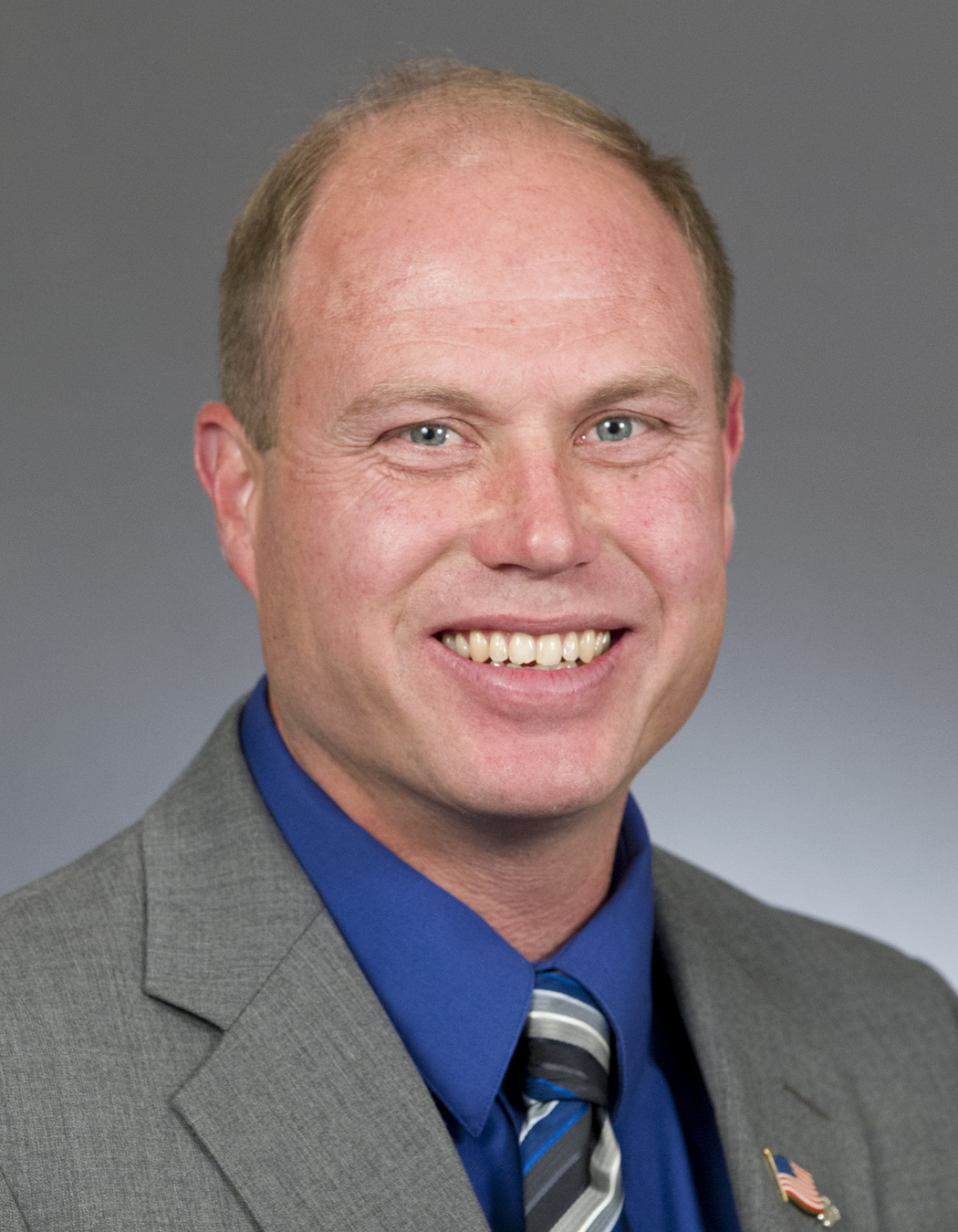
Sen. Jason Rarick
Sponsored bills
Maddy summarySF 2526 establishes the Outdoor School for All grant program to provide multi-day outdoor education experiences for Minnesota students in grades 4-8. The program funds accredited outdoor learning centers and nonprofit providers meeting specific criteria, including research-based natural-resource curricula, integration with school standards, and focus on developing leadership, critical thinking, and social-emotional skills. It prioritizes equitable access for underserved students, including those with disabilities, addressing disparities in outdoor activity access tied to race, income, or zip code. The bill appropriates unspecified funds from the general fund for fiscal years 2026 and 2027 to support this initiative, directly affecting public school students and eligible educational providers statewide.
Maddy summarySF 2558 prohibits Minnesota municipalities from imposing local restrictions on residential construction materials, methods, architectural elements, building egress, durability, energy efficiency, or light access requirements - except where mandated by the State Building Code or other state/federal law. It directly affects local governments (cities and towns) and residential developers by limiting their ability to set aesthetic or design rules for new housing. The bill includes an exemption for properties in historic districts under Minnesota Statutes §138.73 and bans municipalities from using interim ordinances to bypass these restrictions. This bill aims to standardize development requirements, reducing local regulatory barriers to housing construction. (Effective upon final enactment.)
Maddy summaryThis bill delays the implementation of Minnesota's Paid Leave Law by one year. It moves key dates from 2026 to 2027, including the start of employer premium rates (January 1, 2027 instead of 2026), administrative cost rules (January 1, 2027), public outreach (fiscal year 2027), and annual reporting (January 1, 2028 instead of 2027). The bill directly affects employers (who pay premiums), employees (who receive benefits), and state agencies (which administer the program). It makes no substantive changes to the law's requirements, only extending the timeline for implementation. The delay applies to all provisions of Minnesota Statutes 268B.02, 268B.14, 268B.17, 268B.18, and 268B.25 as amended.
Maddy summaryThis bill authorizes the city of Buffalo to establish a five-member public utilities commission through a city ordinance. It specifies that the city council appoints all commission members (with no more than two from the council itself), sets three-year terms with staggered appointments, and requires the ordinance to adopt relevant state statutes governing such commissions. The bill directly affects Buffalo residents by creating a local body to oversee public utility regulations, such as water, gas, or electricity services within the city. The commission's structure and appointment process are defined by the bill, aligning with existing state law for similar commissions. (1.5 sentences)
Maddy summarySF 1703 requires the Minnesota Department of Education to actively promote library services for blind and print disabled residents. The bill mandates the department to develop and maintain an online, fully accessible website with current resources, services, and information about available support. It also obligates the department to consult with state agencies like Employment and Economic Development, Health, and Human Services to coordinate awareness efforts. This amendment to Minnesota Statutes 2024 updates existing requirements for the Department of Education and its advisory committee to enhance accessibility for this community.
Maddy summarySF 2123 appropriates funds from the workforce development fund for teacher apprenticeship programs in Minnesota, directly affecting school districts and teacher training programs. It requires funded programs to include five key components: school district involvement, mentor-led on-the-job training, approved related instruction, wage increases tied to skill levels, and a path to a Tier 3 teaching license. School districts can partner with higher education institutions or other entities to develop these programs, and funding is a one-time appropriation for fiscal years 2026-2027. The commissioner of education must report to legislative committees on program implementation and recommend improvements by 2026.
Maddy summaryThis bill modifies Minnesota's system for compensating counties for state-owned lands. It creates a new payment category for "other lakeshore land" - defined as state-owned natural resources land abutting lakes identified by the Department of Natural Resources. Counties will receive either $5.133 per acre or 0.75% of the land's appraised value (whichever is greater) for these parcels, added to existing payment formulas under Minnesota Statutes §477A.12, subdivision 1(10). The change takes effect for payments made in 2026 and later. It directly affects counties administering state-owned lakeshore properties.
Maddy summaryThis bill renames the Minnesota Higher Education Facilities Authority to the Minnesota Health and Education Facilities Authority. It expands the authority's purpose to include constructing and financing healthcare facilities (previously limited to education facilities) and increases its borrowing capacity. The change directly affects healthcare organizations and higher education institutions in Minnesota seeking to build or refinance facilities. The key mechanism is modifying the authority's legal mandate to allow healthcare project financing while raising its debt limit for these projects.
Maddy summarySF 2100 repeals existing Minnesota statutes and rules requiring K-12 public schools to include diversity, equity, and inclusion content in curricula. Specifically, it removes mandates for schools to teach about Indigenous histories, languages, sovereignty, treaty rights, and contributions of American Indian Tribes as part of academic standards. The bill also eliminates requirements for embedding such content in subjects like social studies, language arts, and arts education. It directs the state Department of Education to develop new rules governing academic standards, effectively removing current DEI-related requirements from state education policy.