

Maddy summarySF 2881 modifies how Minnesota allocates mining royalty income within the Permanent University Fund. It increases the annual cap for mineral research funding from $50 million to $150 million and adjusts allocations for STEM programs and scholarships. Specifically, 25% of the income must fund mineral research at Duluth/Coleraine facilities, another 25% supports mining/STEM programs and scholarships at Minnesota North College and UMD, and the remainder goes to the endowed scholarship account for resident undergraduates. The bill maintains existing reporting requirements to legislative committees about fund usage. This directly affects University of Minnesota campuses, Iron Range workforce development, and eligible Minnesota students in designated programs.
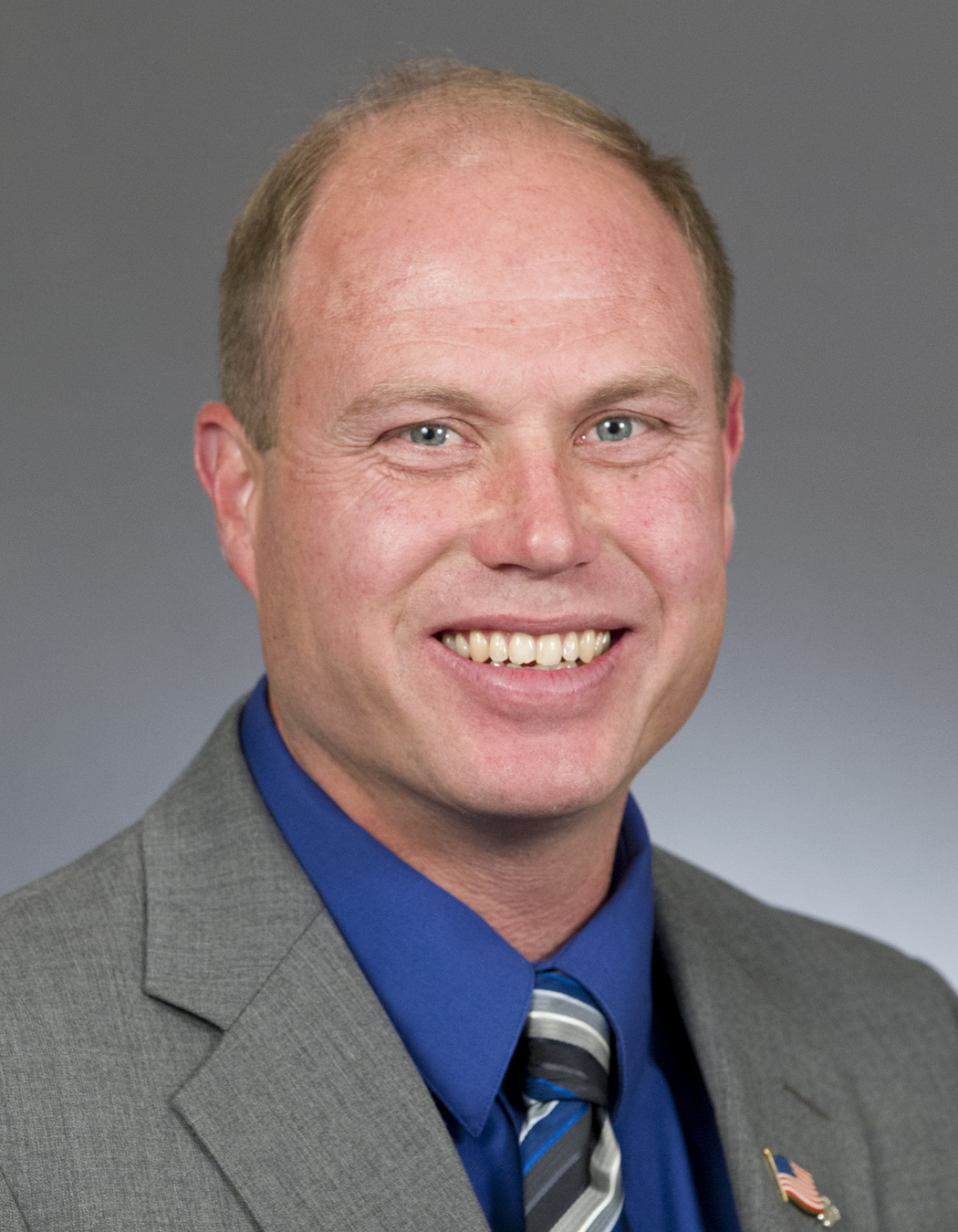
Sen. Jason Rarick
Sponsored bills
Maddy summaryThis bill modifies Minnesota's "Read Act" to require public schools to use literacy instruction based on the "science of reading" (explicit, systematic teaching of phonics, decoding, and comprehension) and prohibits the use of the "three-cueing system." It directly affects K-3 schools, teachers, and students by mandating evidence-based curricula, approved reading screeners, and professional development. Key mechanisms include creating an Office of Achievement and Innovation within the Department of Education, establishing a school performance report system, and requiring districts to adopt local literacy plans by July 1, 2025. The bill also eliminates outdated provisions and recodifies related education policies.
Maddy summarySF 1455 modifies Minnesota's definition of "large energy facility" in statute 216B.2421, subdivision 2. The key change raises the capacity threshold for electric power plants from 50,000 kilowatts to 100,000 kilowatts to qualify as a "large energy facility." This adjustment directly affects new or expanded power generation projects meeting the higher capacity standard. The bill updates the regulatory classification for such facilities without altering other provisions or creating new requirements.
Maddy summaryThis bill allows reimbursement for PFAS contamination cleanup costs at emergency response training centers that stopped using PFAS-containing firefighting foam by January 1, 2015. It amends Minnesota's remediation fund statute to cover investigation, remediation, and related expenses incurred after January 1, 2023, for centers meeting these criteria. The bill appropriates $1 million from the environmental fund for grants to state colleges or universities eligible for this reimbursement, with priority given to institutions already enrolled in the state's remediation program. It directly affects public emergency response training facilities that used legacy firefighting foam before 2015.
Maddy summarySF 2829 requires that any bill increasing residential construction or remodeling costs by $3,000 or more per unit must be referred to legislative committees with housing finance and policy jurisdiction, rather than other committees. This procedural rule applies directly to housing-related bills meeting the cost threshold, ensuring they receive specialized review. The bill does not change housing policy but alters the referral process for specific legislation. It amends Minnesota Statutes chapter 3 to establish this requirement. The bill is procedural and does not create new housing regulations or funding.
Maddy summarySF 1559 appropriates specific funding for Minnesota's farm-to-school and early care programs in fiscal years 2026 and 2027. It provides money for schools and child care providers participating in federal food programs (like the National School Lunch Program) to purchase local agricultural products, including fruits, vegetables, meat, and dairy. The bill also allocates $150,000 annually for a statewide coordinator to support farmers and institutions, and allows matching state funds to federal cooperative agreements for purchasing Minnesota-grown food. This directly affects schools, early childhood providers, and local farmers participating in eligible food programs.
Maddy summaryThis bill appropriates $1 million for fiscal year 2026 and $1 million for fiscal year 2027 from the general fund to Minnesota Independence College and Community (MICC). It funds MICC to provide employment preparation, job placement, job retention, and service coordination services specifically for adults with autism and learning differences. The funding directly supports adults with these conditions in accessing workforce development resources. The bill creates a concrete financial mechanism to expand employment services through an existing nonprofit provider.
Maddy summaryThis bill (SF 2597) creates a dedicated account within the state's special revenue fund to receive money specifically for "foster grants" for higher education. It directly affects eligible students who are or were in foster care, providing them with financial assistance for college. The key mechanism establishes that funds deposited into this account will be appropriated to the Office of Higher Education commissioner to administer these foster youth grants, modifying existing statute section 136A.1241.
Maddy summaryThis bill requires solar project developers to obtain approval from all local governments and Minnesota Tribal governments with jurisdiction over the project site before proceeding. It mandates that applicants provide 30 days' notice to these entities, describing the project and allowing for feedback. The requirement applies to all solar projects, including those under 50 megawatts that previously did not need commission permits. This change directly affects solar developers by adding a mandatory local and Tribal approval step to the project process.
Maddy summarySF 2528 requires North Star Promise scholarship recipients in Minnesota to live and work in the state for three years after completing their degree or certificate program (starting within six months of graduation). If they fail to meet this requirement, their scholarship converts to a repayable student loan for the full amount plus interest. The bill applies to students receiving scholarships awarded for fall 2026 and later, directly affecting low-income Minnesota residents pursuing postsecondary education through this program. Limited waivers exist if recipients haven't completed their program, aren't enrolled in college, or face extreme hardship.