Issue · Education

Education

Every education bill, vote, and legislator stance in Minnesota, automatically classified by Maddy, our AI policy reader.

Total bills
223
119th Congress
Top supporter
Amy Klobuchar
83% support rate
Top opponent
Tom Emmer
33% support rate
Ranked legislators
9
5 support · 4 oppose
Key legislators

Who's moving education in Minnesota

Legislators moving education in Minnesota
Legislator Party Stance Support rate Votes
Amy Klobuchar
Amy Klobuchar Senate
D
Strong +
83% 167
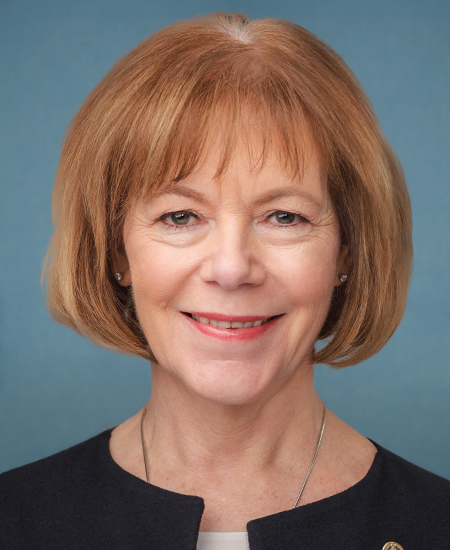
Tina Smith
Tina Smith Senate
D
Strong +
83% 167
Ilhan Omar
Ilhan Omar House · District 5
D
Support
78% 130
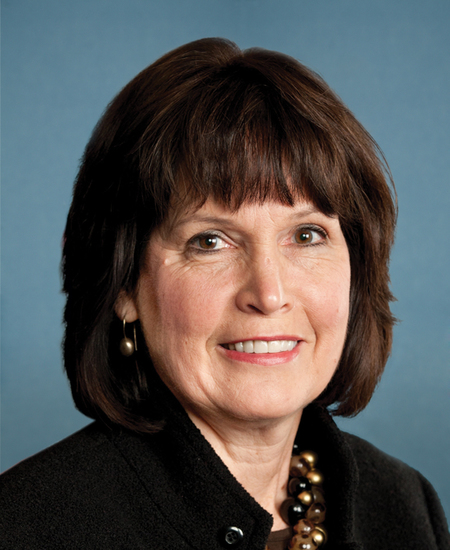
Betty McCollum
Betty McCollum House · District 4
D
Support
78% 129
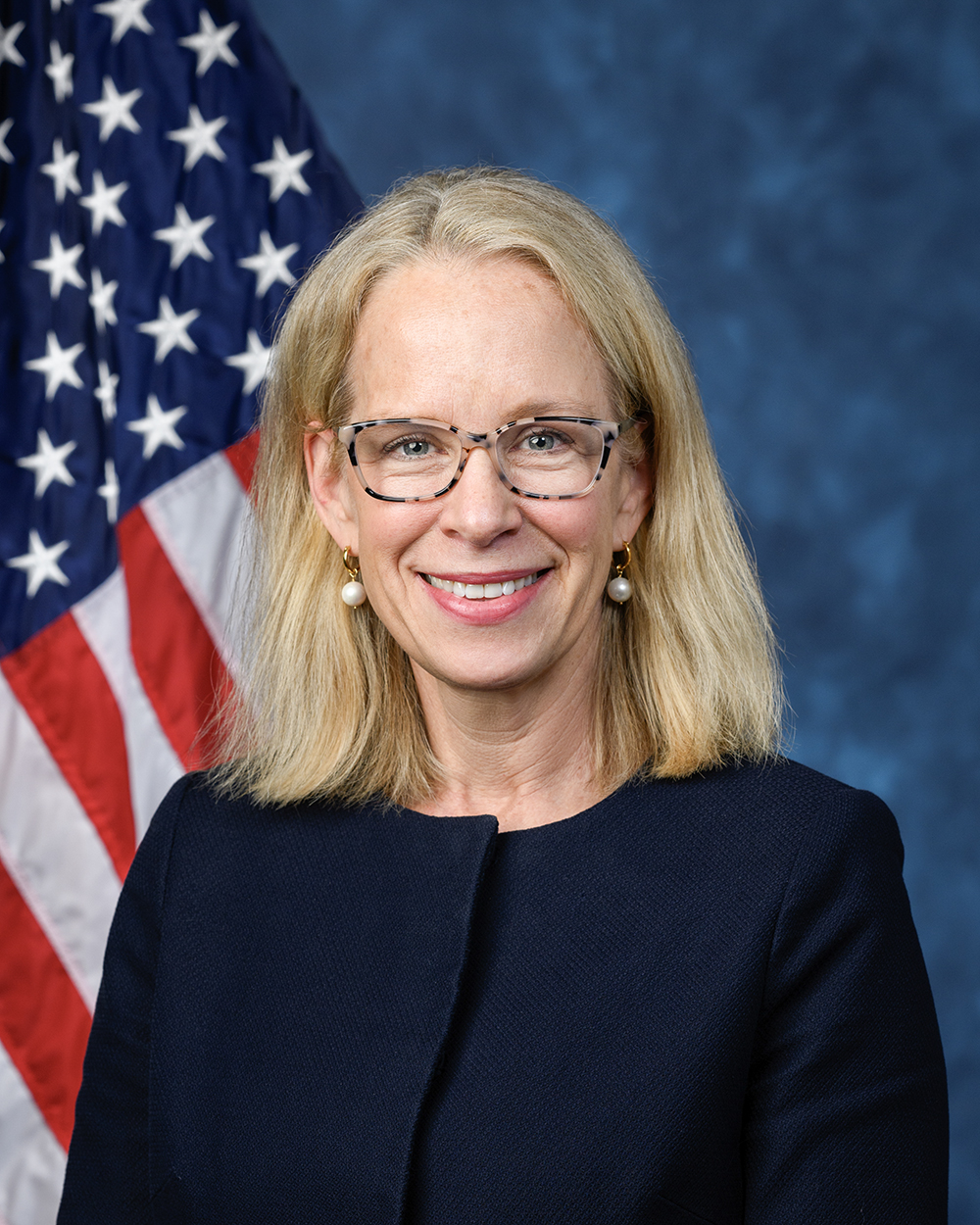
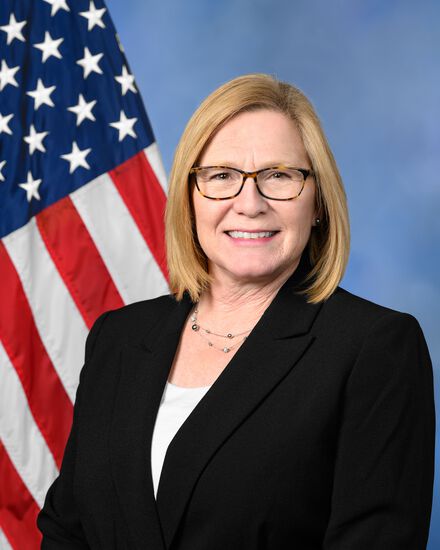
Kelly Morrison
Kelly Morrison House · District 3
D
Support
78% 130
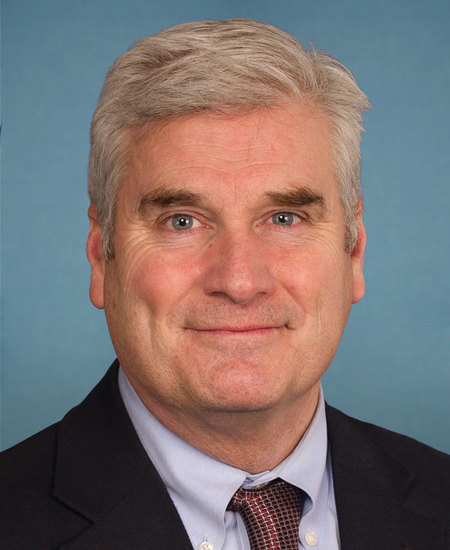
Tom Emmer
Tom Emmer House · District 6
R
Oppose
33% 131
Pete Stauber
Pete Stauber House · District 8
R
Oppose
33% 131
Michelle Fischbach
Michelle Fischbach House · District 7
R
Oppose
33% 131
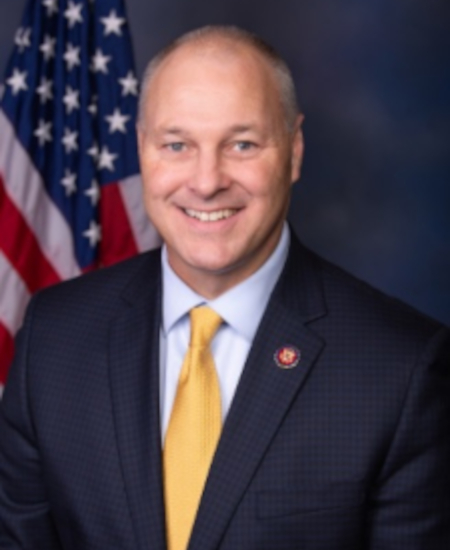
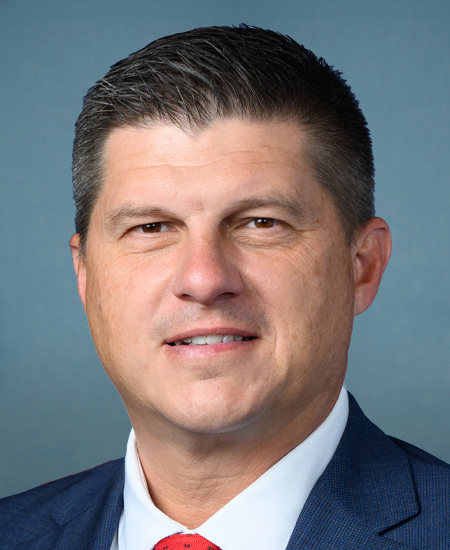
Brad Finstad
Brad Finstad House · District 1
R
Oppose
33% 129
Showing 1–10 of 223 bills

All education bills

in committee · United States · House Sep 4, 2026

HR 10298: Public Service Loan Forgiveness Inclusion Act of 2026

The Public Service Loan Forgiveness Inclusion Act of 2026 modifies federal student loan rules to make it easier for borrowers in public service jobs to qualify for debt cancellation. The bill changes how qualifying monthly payments are counted by allowing the first 60 payments to count regardless of their amount, while requiring subsequent payments to meet a specific minimum threshold based on a standard 10-year repayment schedule. It also expands eligibility to include payments made under the standard repayment plan and counts months where repayment was suspended due to administrative forbearance as qualifying payments if the borrower remained employed in public service. The Department of Education is required to notify affected borrowers about these changes within 180 days of enactment, with the new payment counting rules applying to those who have not yet made 120 monthly payments.
in committee · United States · House Sep 3, 2026

HR 10260: Reducing Arbitrary Barriers to Apprenticeship Act of 2026

The Reducing Arbitrary Barriers to Apprenticeship Act of 2026 amends federal veterans' education benefits to remove financial and administrative obstacles for those pursuing apprenticeships or on-the-job training. The bill increases the monthly housing stipend for full-time apprentices to match the rate paid to military members with dependents, rather than the lower rate currently applied to students without dependents. Additionally, it waives the minimum monthly attendance requirement for veterans enrolled in construction industry programs, allowing them to receive benefits even if their on-site training hours fall below standard thresholds. These changes apply to recipients of Post-9/11 GI Bill, All-Volunteer Force, and Selected Reserve educational assistance.
in committee · United States · House Sep 3, 2026

HR 10251: Back-to-School Supplies Affordability Act

The Back-to-School Supplies Affordability Act would prevent new tariffs from being applied to specific school supplies and educational materials, effectively freezing their import duties at levels recorded on January 19, 2025. This measure directly affects students, families, teachers, schools, and local governments by aiming to keep the cost of items like notebooks, backpacks, pencils, and keyboards stable. The bill designates certain products for duty exemption based on specific trade classifications or through regulations issued by the Secretary of Commerce in coordination with the Secretary of Education. Additionally, it requires the Secretary of Commerce to report every 180 days to congressional committees on which items are exempt, while allowing Congress to disapprove specific item designations through a joint resolution.
in committee · United States · House Aug 31, 2026

HR 10202: High School Voter Empowerment Act of 2026

The High School Voter Empowerment Act of 2026 requires all public high schools in the United States to be designated as voter registration agencies under federal law. Schools must conduct at least one voter registration drive each academic year, with a specific goal of registering eligible students who are at least 17 years old and enrolled in American Government or Economics classes. To support these efforts, the Department of Education would establish a grant program that reimburses schools for the reasonable costs associated with running these drives. Additionally, state election officials may provide voting machines to schools upon request for use in student council elections.
Sub-Topics K-12 Education Tags Elections
in committee · United States · House Jul 27, 2026

HR 9959: Green New Deal for Public Schools Act

The Green New Deal for Public Schools Act directs over $700 billion in federal funding to public schools, prioritizing those serving the most vulnerable communities based on CDC social vulnerability rankings. The legislation establishes a new Office of Sustainable Schools and authorizes grants for "healthy green retrofits" that convert school buildings into zero-carbon facilities with clean air, water, and energy systems, while also providing funds to hire additional educators, mental health professionals, and support staff. Additionally, the bill mandates increased federal funding for special education under the Individuals with Disabilities Education Act and creates a climate resiliency program that allows schools to function as community centers during natural disasters. All grant recipients must adhere to strict labor standards, including prevailing wage requirements, Buy American provisions, and local hiring goals that prioritize residents of the surrounding community.
in committee · United States · Senate Aug 6, 2026

S 5296: Pathways to Health Careers Act

The Pathways to Health Careers Act establishes a federal grant program effective October 1, 2026, to train low-income individuals for careers in health professions such as nursing, emergency medical services, and allied health fields. The legislation allocates $435 million annually from fiscal years 2027 through 2031 to fund these initiatives, with specific requirements ensuring that at least two grants are awarded in each state and the District of Columbia, along with dedicated funding for tribal entities and U.S. territories. Key provisions mandate that grant recipients provide comprehensive support services, including adult basic education, childcare, transportation assistance, and cash stipends, while also requiring rigorous evaluations of demonstration projects focused on individuals with criminal records and maternal health career pathways.
in committee · United States · Senate Jun 24, 2026

S 4918: Right Start Child Care and Education Act of 2026

The Right Start Child Care and Education Act of 2026 creates a new federal tax credit to support individuals working in licensed child care facilities. This credit provides up to $4,500 annually for workers with a bachelor's degree in early childhood education or related fields, $3,000 for those with an associate's degree, and $1,500 for other eligible providers. To qualify, workers must perform at least 1,200 hours of child care services per year at a licensed facility that is not primarily their home, and the bill limits the credit to a maximum of three consecutive years per individual. The legislation applies to tax years beginning after December 31, 2026.
Sub-Topics Tax Credits
in committee · United States · House Jul 22, 2026

HR 9853: Right to Learn Act of 2026

The Right to Learn Act of 2026 creates a grant program to help schools and community organizations support students and staff affected by immigration enforcement actions. Funds awarded by the Department of Education can be used to hire trauma-informed counselors, provide emergency assistance like food and legal referrals, and train educators on culturally responsive care. The bill strictly prohibits schools from collecting or sharing personal data about a student's immigration status and forbids denying services based on that status. Eligible recipients include public schools, early childhood programs, universities, and legal service providers, with a total funding authorization of $250 million over five years.
Sub-Topics Enforcement
in committee · United States · Senate Jun 24, 2026

S 4897: Credit for Prior Learning Act

The Credit for Prior Learning Act allows students to use federal financial aid to pay for assessments that evaluate their existing knowledge and skills for college credit. It specifically allocates up to $2,000 per year to cover reasonable costs like test fees for these evaluations, provided the assessments meet specific criteria regarding skills rather than just experience. The law also requires colleges to have clear, expert-reviewed standards for granting credit and mandates that institutions publicly report data on how many students receive this credit, broken down by race, income, and Pell Grant status. These changes are designed to make it easier for individuals to earn academic credit for what they already know while increasing transparency in higher education. The provisions will take effect on July 1, 2027.
in committee · United States · House Jul 6, 2026

HR 9596: Federal Jobs for STARs Act of 2026

The Federal Jobs for STARs Act of 2026 aims to increase hiring opportunities for individuals in the federal workforce who have gained skills through alternative routes like military service, apprenticeships, or community colleges rather than traditional four-year degrees. It requires the Office of Personnel Management to restrict agencies from mandating bachelor's degrees unless absolutely necessary and to create a specific section on federal job websites dedicated to these candidates. Additionally, the bill mandates a study to explore funding options, such as scholarships and tuition assistance, to help current federal employees with these backgrounds pursue further education.
Showing 1 to 10 of 223 bills
1 2 3 23 Next