

Maddy summarySenate Bill 305 establishes the Air Quality Enforcement and Mitigation (AQEM) fund, directing all civil and administrative fines collected for air pollution violations into this dedicated fund. The bill mandates that 80% of the fund's money be used for an air quality community impact grant program, with the remaining 20% allocated for increased air monitoring in environmental justice communities and program administration. This grant program will provide funding to eligible entities like nonprofits and local governments for projects such as air pollution mitigation, health impact assessments, and community education, prioritizing environmental justice communities. The Department will develop guidelines for these grants in consultation with an advisory committee, which includes public health experts and community residents.
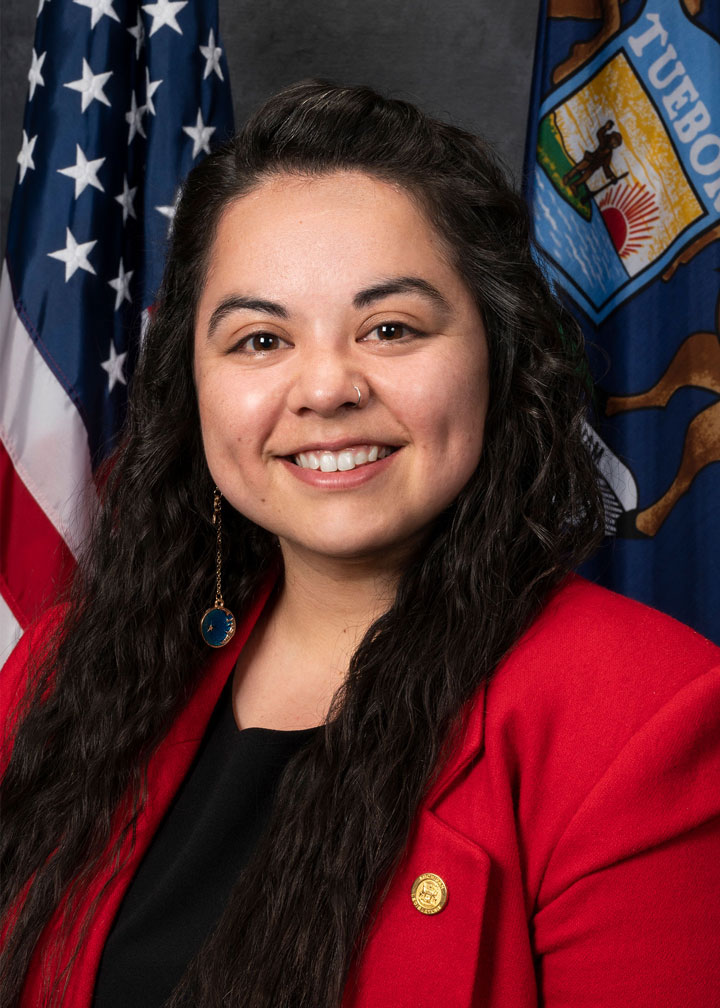
Sen. Mary Cavanagh
Sponsored bills
Maddy summarySB 179 is a funding bill that allocates $2.1 billion from state and federal sources to the Michigan Department of Labor and Economic Opportunity for fiscal year 2025-2026. It directly supports state programs assisting workers and job seekers, including workforce development initiatives like "Going Pro" ($54.7 million) and rehabilitation services for blind individuals ($32.1 million). The bill specifies funding sources, including $1.2 billion in federal funds, and details budget allocations for department operations, training centers, and disability support programs. As an appropriations measure, it enables the department to operate existing programs but does not create new policies or regulations.
Maddy summarySB 177 allocates $626.86 million in state funding for Michigan's Department of Licensing and Regulatory Affairs (DLRA) for fiscal year 2025-2026. The bill specifies funding for DLRA operations, the Public Service Commission ($45.4 million), and the Liquor Control Commission ($3.5 million), drawn from state general funds, liquor license fees, marijuana regulatory funds, and other dedicated revenue streams. It does not create new policies but authorizes the expenditure of existing appropriations to maintain current regulatory services. The funding directly supports DLRA staff, licensing enforcement, and oversight of industries like healthcare, construction, and alcohol sales.
Maddy summarySB 178 is a funding bill that allocates $77.29 million for Michigan's Department of Insurance and Financial Services for the 2025-2026 fiscal year. It provides specific budget line items for department operations, insurance regulation, consumer protection services, and information technology systems. The funding comes primarily from fees collected by the department (like insurance licensing fees and bank fees), with minor federal and interdepartmental support. This bill does not create new regulations or policies but ensures the department has the resources to continue its existing oversight of insurance companies and financial services within Michigan.
Maddy summarySenate Resolution 29 designates April 20-26, 2025, as Infertility Awareness Week. This resolution aims to raise awareness about infertility and its impact on individuals and couples.
Maddy summarySB 31 amends Michigan's Public Health Code to require hospitals to adopt written policies covering specific patient rights during childbirth. It directly affects all Michigan hospitals licensed under the Public Health Code and their patients receiving care while pregnant and in labor. The key new provision mandates that hospitals must stabilize a pregnant patient's condition before terminating care if the patient refuses treatment, ensuring they cannot be discharged without medical stabilization. This adds to existing requirements for hospitals to clearly outline patient rights like privacy, access to medical records, and the right to refuse treatment in their written policies.
Maddy summarySenate Bill 32 amends Michigan's insurance code to require insurers offering medical malpractice policies to annually provide specific information. These insurers must submit data about their policies related to perinatal care services to the Department in a manner it determines. Within 60 days, the Department must then forward this information to the Department of Health and Human Services. This data sharing is intended to support a study required under the public health code. The bill will not take effect unless Senate Bill No. 29 also becomes law.
Maddy summarySenate Resolution 27 designates April 2025 as Financial Literacy Month in Michigan. The resolution aims to raise public awareness about the importance of personal financial education and encourages parents, schools, businesses, and other organizations to observe the month with relevant programs and activities.
Maddy summarySenate Bill 114 allows counties or regions in Michigan to create vulnerable adult multidisciplinary teams. These teams, comprising public and private professionals such as law enforcement, adult protective services, and healthcare providers, are designed to prevent, investigate, and prosecute the abuse and financial exploitation of vulnerable adults. The bill permits team members to share information for their duties, but requires strict confidentiality and sworn statements. Importantly, the information and records produced by these teams are exempt from public disclosure under the Freedom of Information Act, and their meetings are not subject to the Open Meetings Act.
Maddy summarySenate Bill 112 amends Michigan's penal code to expand the definition of "racketeering." The bill specifically adds the crime of embezzlement from a vulnerable adult to the list of offenses that can be considered racketeering activity. This change means that individuals who commit embezzlement against vulnerable adults could be prosecuted under racketeering laws, which are typically associated with organized crime and may carry more severe penalties. The bill aims to strengthen legal protections against the financial exploitation of vulnerable adults.