

Maddy summaryHB 5582 limits local zoning rules for multifamily housing and mobile homes in Michigan. It prohibits municipalities from requiring more than one parking space per dwelling unit (including guest spaces) in multifamily residential developments, except where required by the Americans with Disabilities Act. The bill also prevents residential zoning from excluding mobile homes - defined under state law - through aesthetic or material restrictions not tied to public safety. These changes directly affect developers building multifamily housing and mobile home residents in communities governed by Michigan's zoning laws.
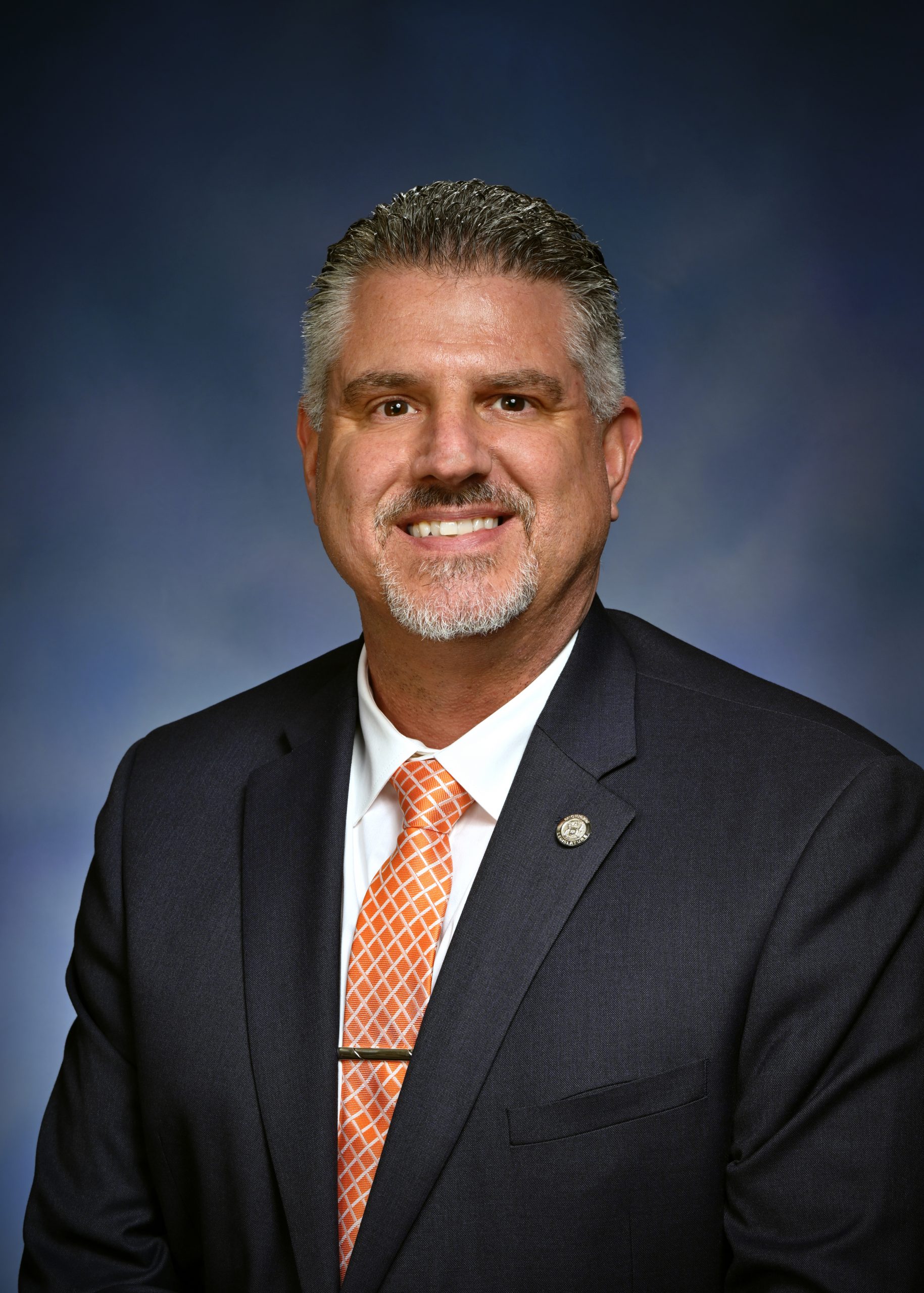
Rep. Mike Hoadley
Sponsored bills
Maddy summaryHB 5583 would limit local zoning rules in metro areas by prohibiting minimum setbacks for homes or outbuildings that exceed 15 feet from the front property line or 5 feet from rear/side lines. It allows up to 25 feet of setback only near specific environmental features: wetlands, lakes/streams, or the Great Lakes shoreline as defined by state law. The bill applies to all local governments located within or adjacent to a federally designated metropolitan statistical area. This change aims to simplify zoning for residential development in urban and suburban regions while maintaining environmental protections.
Maddy summaryHB 5074 changes renewal rules for temporary licenses held by mental health professionals (like marriage and family therapists and counselors) who are gaining supervised experience toward full licensure. It replaces the previous 6-year maximum renewal limit with a 3-year cycle, allowing up to three renewals (for a total of 12 years). The bill also adds a new provision (18111a) that lets licensees request a temporary pause ("toll") of their license cycle for up to 1 year due to hardships like health issues or family crises, with a maximum of three such requests per license cycle. This directly affects individuals working under supervision to meet full licensure requirements, providing flexibility for personal challenges while maintaining oversight.
Maddy summaryHB 5281, the "Third-Party Litigation Funding Transparency Act," regulates third-party funding of civil lawsuits by requiring funding companies to register with the state, disclose all terms to clients, and cap fees at 36% annually. It directly affects litigation funding companies and attorneys who use these services, mandating clear disclosure of costs and prohibiting hidden fees. The bill excludes pro bono nonprofits, health insurers, and traditional loans from its rules, focusing specifically on commercial funding arrangements where funders share in lawsuit proceeds. It establishes civil penalties for violations and gives state officials authority to enforce these requirements.
Maddy summaryThis House resolution urges Michigan Secretary of State Jocelyn Benson to voluntarily release documents and information regarding her past work with the Southern Poverty Law Center (SPLC), specifically concerning the organization's alleged payments to extremist groups. The bill is based on a federal indictment that accuses the SPLC of fraudulently diverting donor money to fund individuals associated with hate groups while claiming to fight them. It highlights Benson's previous roles as an undercover investigator and board member at the SPLC during the period of the alleged misconduct, suggesting she may possess unique knowledge of these operations. The resolution calls for her to publicly address her involvement to ensure transparency and avoid any appearance of impropriety, citing her prior refusal to comply with a separate subpoena as a reason for this request.
Maddy summaryThis resolution declares May 10-16, 2026, as Skilled Nursing Care Week in Michigan to honor residents, staff, and volunteers in skilled nursing facilities. The measure aligns with the national observance established by the American Health Care Association and encourages the state to participate in related events under the theme 'Moments in Bloom!' By officially recognizing this week, the bill aims to promote awareness and community engagement with nursing care services without altering any laws or funding.
Maddy summaryHB 5320 amends Michigan's criminal sentencing guidelines to specifically address unauthorized drone flights over or trespassing on critical infrastructure, such as power plants or bridges. It would establish new sentencing standards for individuals operating unmanned aircraft or vehicles near these facilities, directly affecting drone operators who violate these restrictions. The bill modifies Section 16b of the Michigan Code of Criminal Procedure (MCL 777.16b) to create clear penalties for such offenses, moving beyond general trespass laws. This change aims to strengthen legal consequences for drone-related threats to public safety infrastructure.
Maddy summaryHB 5319 prohibits using unmanned aircraft (drones) to fly over or trespass on key facilities, correctional facilities, law enforcement facilities, or critical infrastructure. It directly affects drone operators who might fly near these locations without authorization. The bill creates criminal penalties (up to 4 years in prison or $2,500 fine) for violations, while exempting public safety agencies and commercial operators complying with federal FAA rules. Key provisions include a 90-day delay before restrictions apply and definitions of "key facility" (per §552c) and "critical infrastructure" (aligned with federal designations).
Maddy summaryHB 5321 creates a state geofencing database managed by Michigan's transportation department to list restricted zones where unmanned vehicles (including drones, ground vehicles, and watercraft) cannot operate. The bill requires the department to develop a public website and a mobile app that warns operators when approaching restricted areas like critical infrastructure, airports, or key facilities. Operating an unmanned vehicle in a restricted zone is a felony punishable by up to 4 years in prison or a $2,500 fine. This law directly affects anyone using unmanned vehicles in Michigan, establishing a new enforcement system to prevent unauthorized flights or operations in sensitive areas.
Maddy summaryHB 5322 proposes to update Michigan's sentencing guidelines for crimes involving the unauthorized use of unmanned vehicles (like drones) in restricted zones or flight paths, such as near airports or government facilities. If passed, it would create specific sentencing rules for these offenses, directly affecting drone operators who violate such restrictions. The bill amends existing criminal procedure code section 777.12k to establish these new sentencing parameters for this specific violation. This is a policy change focused on clarifying penalties for drone misuse in sensitive areas, not a procedural or commemorative measure.