

Aeronautics: unmanned aircraft systems; flying over or trespassing on a key facility or critical infrastructure with an unmanned aircraft or vehicle; prohibit. Amends sec. 45a of 1931 PA 328 (MCL 750.45a).
HB 5319 prohibits using unmanned aircraft (drones) to fly over or trespass on key facilities, correctional facilities, law enforcement facilities, or critical infrastructure. It directly affects drone operators who might fly near these locations without authorization. The bill creates criminal penalties (up to 4 years in prison or $2,500 fine) for violations, while exempting public safety agencies and commercial operators complying with federal FAA rules. Key provisions include a 90-day delay before restrictions apply and definitions of "key facility" (per §552c) and "critical infrastructure" (aligned with federal designations).
Bill status
passed
3 of 5 stages cleared
Introduction
Dec 2025
Committee Review
Mar 2026
House Passage
May 2026
Senate Passage
Governor
Introduced Dec 2, 2025
Last action May 12, 2026
Maddy AI version diff · 1 comparison
What changed between versions
House Introduced Bill
→
Substitute (H-3)
·
4 edits
MODERATE
The bill was amended to significantly lower the penalty for unauthorized drone usage near critical facilities from a felony to a misdemeanor, while introducing a new tier of felony charges for acts committed with malicious intent. Additionally, the definition of 'critical infrastructure' was updated to reference a different state law, and new exemptions were added for authorized personnel and those with property owner consent.
Scope change
The bill's scope regarding penalties was narrowed for general violations but expanded for malicious acts, and the definition of protected facilities was updated to align with a specific state statute.
ENFORCEMENT
The penalty for violating the no-fly zone was reduced from a felony (up to 4 years in prison) to a misdemeanor (up to 90 days in prison), unless the violation was done with malicious intent, which remains a felony.
DEFINITION
The definition of 'critical infrastructure' was changed to refer to the Cyber Civilian Corps Act instead of the previous designation criteria.
ELIGIBILITY
New exemptions were created for public safety agencies, authorized personnel working on infrastructure maintenance, and individuals operating drones with the property owner's consent.
REQUIREMENT
The requirement for commercial operators to comply with FAA regulations was updated to include 'exemptions' in addition to authorizations.
Floor votes
How they voted
This bill passed the House by voice vote (no roll call recorded).
Full legislative history
Actions timeline
Total actions
9
Key actions
2
Committee
3
May 12, 2026
Lower · Passed
substitute (H-3) adopted
lower
Mar 10, 2026
Committee
referred to second reading
lower
Mar 10, 2026
Lower · Passed
reported with recommendation with substitute (H-3)
lower
Dec 2, 2025
Committee
referred to Committee on Transportation and Infrastructure
lower
Dec 2, 2025
Introduced
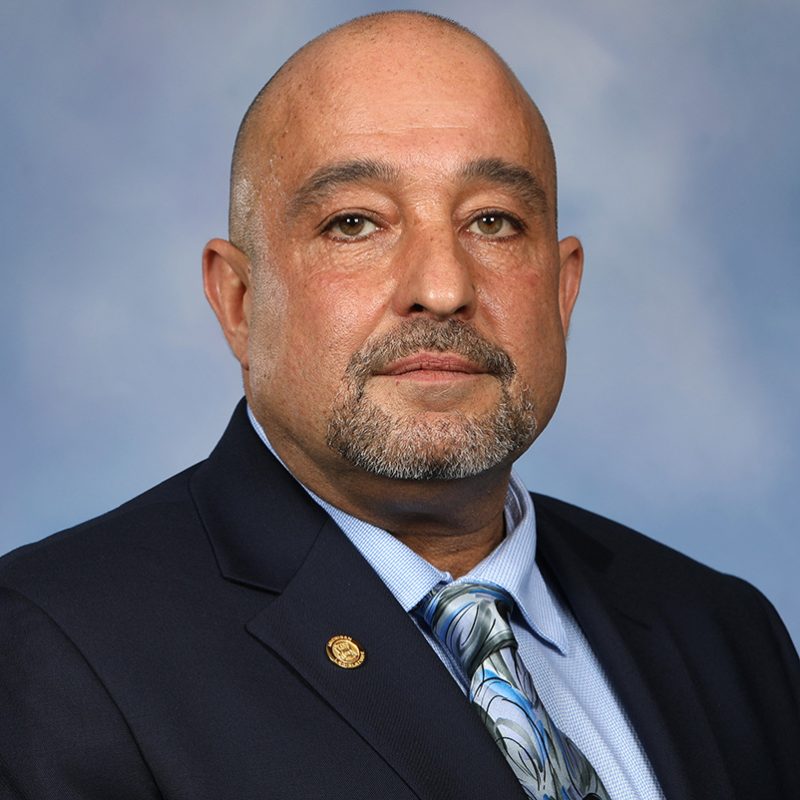
introduced by Representative Rep. William Bruck
lower
1 primary · 27 co-sponsors
Sponsors
Role
Legislator
Party
State
District
P

Will Bruck
RRepublican
Co
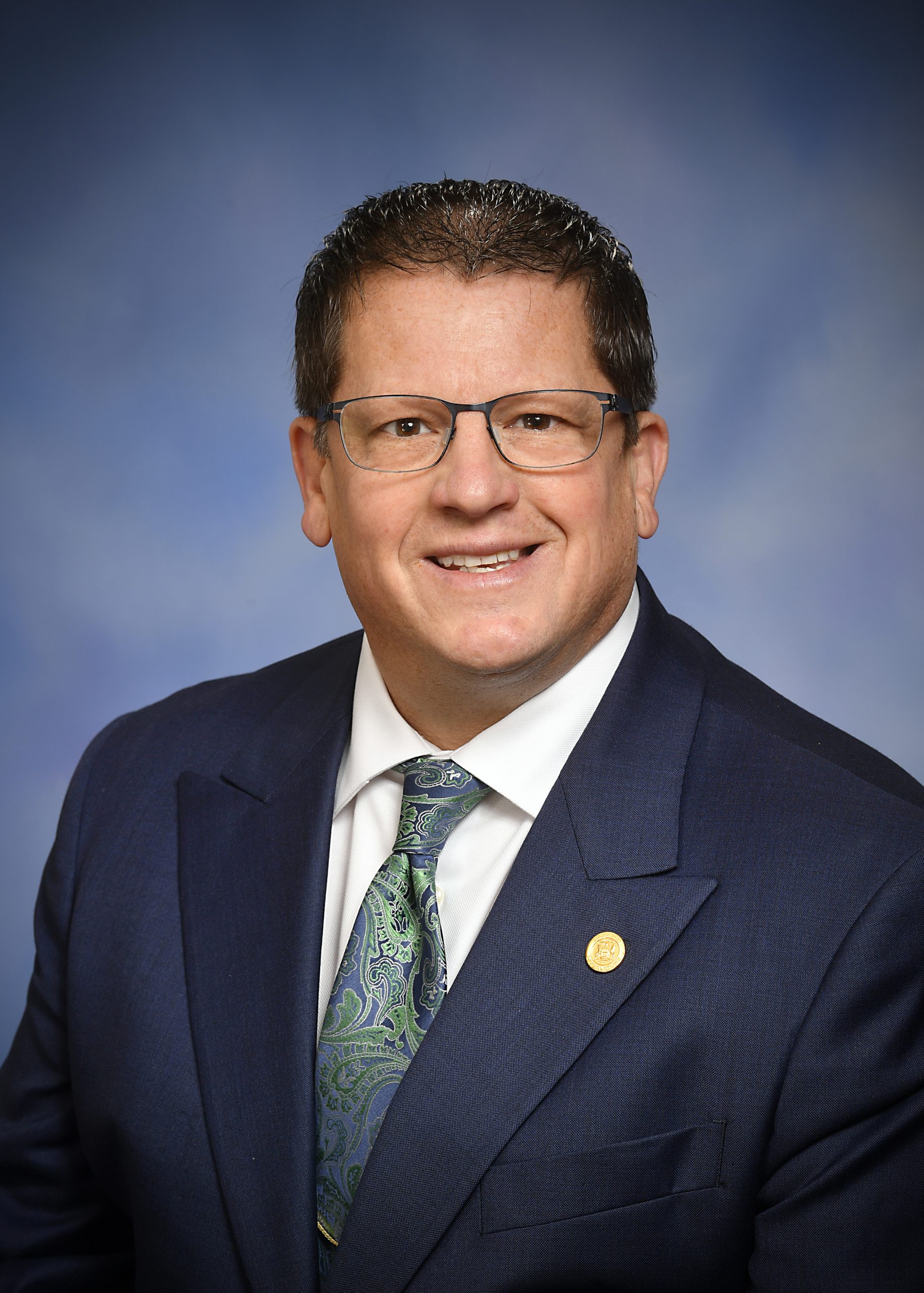
Brian BeGole
RRepublican
Co
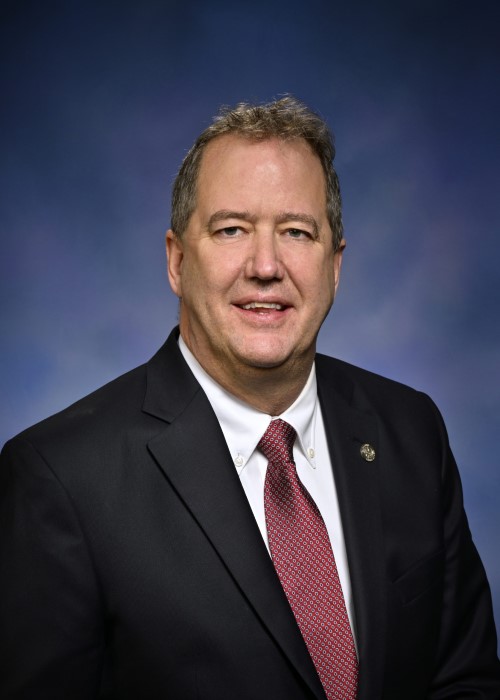
Cam Cavitt
RRepublican
Co
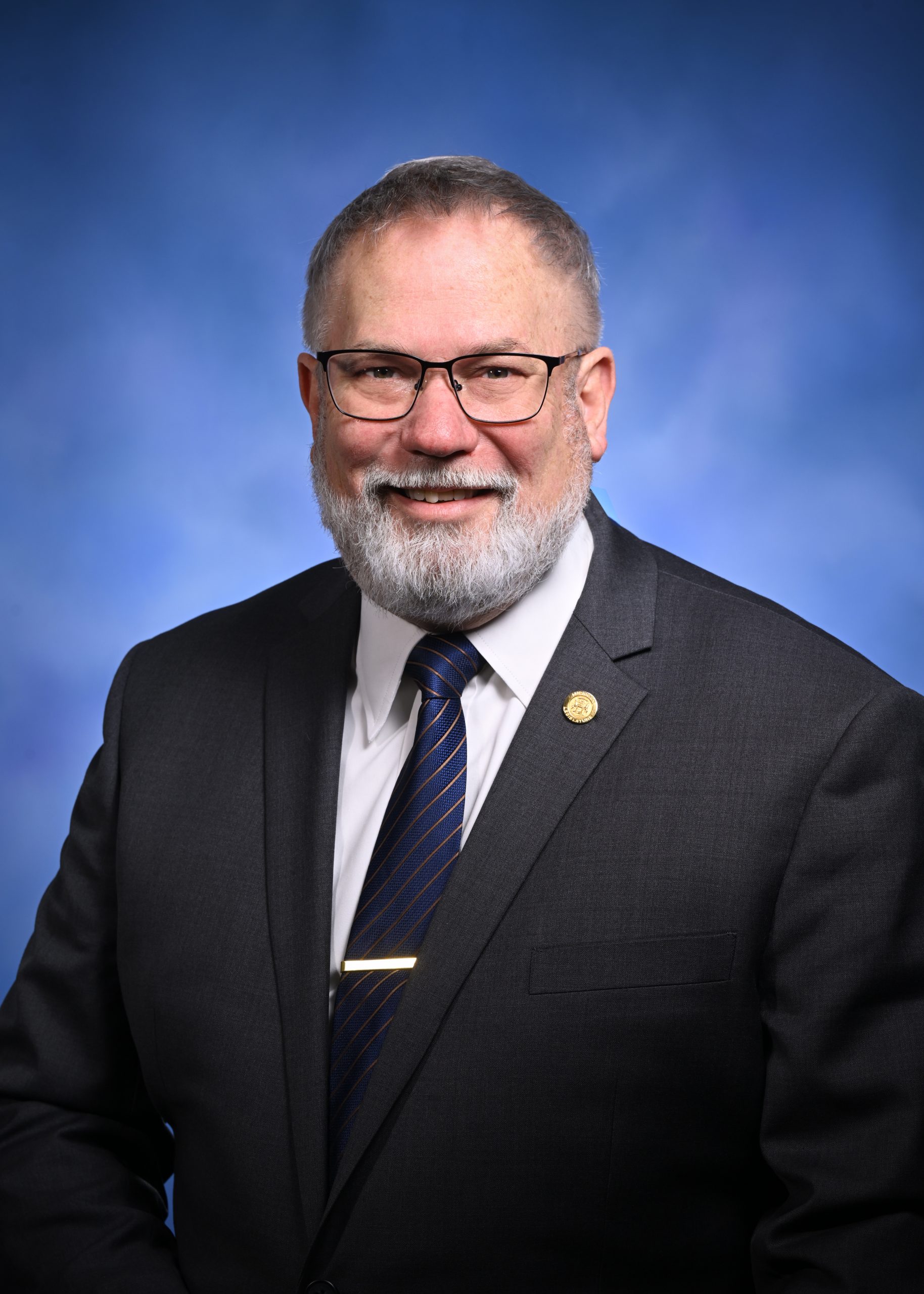
David Martin
RRepublican
Co

Denise Mentzer
DDemocratic
Co
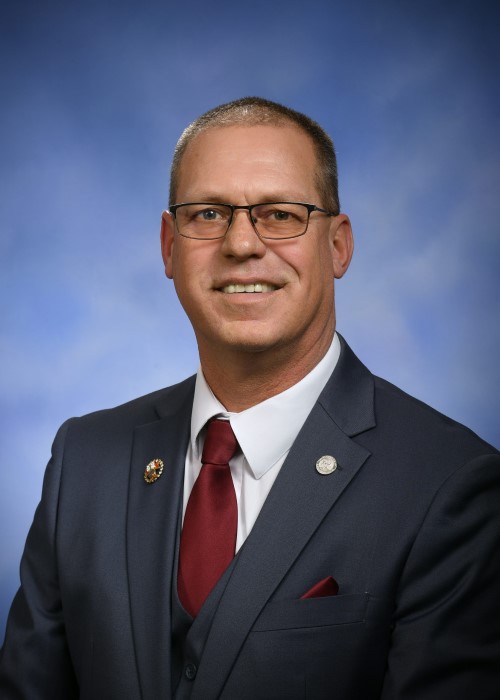
Greg Alexander
RRepublican
Co
Greg Markkanen
RRepublican
Co
Jamie Thompson
RRepublican
Co

Jason Woolford
RRepublican
Co

Jaz Martus
DDemocratic
Co

Jennifer Conlin
DDemocratic









Ask Maddy
·
AI policy assistant
Ask Maddy about HB 5319
Scope: MI
Hi! I can help you understand HB 5319. What would you like to know?
Try one of these
i
Maddy answers using official bill text and legislative records. Always verify before sharing.
Sources cited inline