

Maddy summaryThis bill updates Michigan's renewable energy requirements for electric providers, setting specific portfolio goals of 15% by 2029, 50% between 2030 and 2034, and 60% starting in 2035. It allows certain cooperatives and multistate providers to lower their targets if they already generate significant clean energy within the state or have existing nuclear contracts. The legislation also introduces financial incentives for providers entering new renewable energy contracts with non-affiliated entities and permits a small portion of energy savings credits to count toward renewable goals. Additionally, it clarifies rules for purchasing renewable energy credits, limiting such purchases to 5% of the total annual requirement and banning their use after 2035.
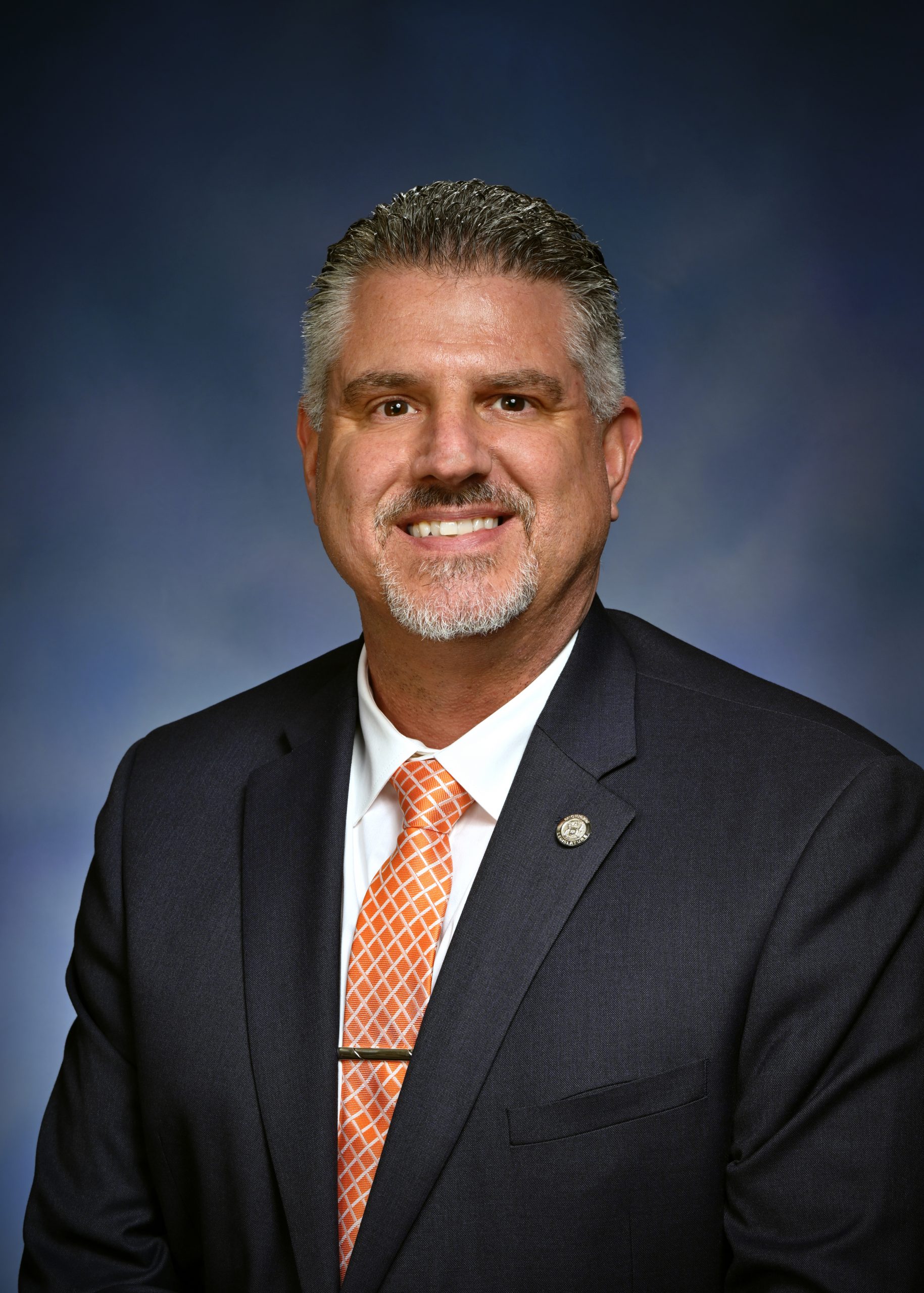
Rep. Mike Hoadley
Sponsored bills
Maddy summaryThis bill requires election officials in Michigan to keep electronic poll book flash drives for 22 months after an election before they can be destroyed. The law applies to all flash drives used during primary or general elections and does not change how other election records are handled. This provision ensures that digital voting records are preserved for a specific period following the election.
Maddy summaryHB 5457 creates a state fund to support hyperbaric oxygen therapy through grants and a temporary pilot program. The Department of Health and Human Services will administer the fund, using it for grants and operating the pilot program. After the pilot concludes, any remaining funds will transfer to the general state fund. The bill requires another bill (HB 5456) to be enacted first.
Maddy summaryHB 5456 establishes a pilot program providing free hyperbaric oxygen therapy to Michigan veterans diagnosed with traumatic brain injury or post-traumatic stress disorder. The bill creates a state grant program administered by the Department of Health and Human Services, funding providers to deliver treatment at no cost to eligible veterans. Providers must use FDA-cleared chambers meeting specific safety standards and be accredited by organizations like the American College of Hyperbaric Medicine. The program requires the department to implement rules within 12 months and ends after the pilot period concludes.
Maddy summaryHB 4358 modifies Michigan's Home Rule City Act to standardize when city officials' terms begin. It requires that all elected city officers (like mayors and council members) serving terms starting after December 31, 2024, must begin their terms at 12 noon on the first day of the month following their election - replacing any existing charter provisions allowing earlier start dates. The bill also mandates that individuals filling vacant positions cannot take the oath of office until election results are certified by the board of canvassers. This applies to all Michigan cities with home rule charters and takes effect immediately upon passage.
Maddy summaryHB 4359 modifies Michigan village election rules by changing the start date for elected officials' terms from November 20 to December 1. It clarifies that villages electing six trustees (instead of three) must serve two-year terms, rather than four-year terms, and updates vacancy procedures to require a petition signed by 10% of voters within 10 days to trigger a special election when the council falls below quorum. These changes directly affect village officials and voters in all Michigan villages operating under the General Law Village Act (MCL 62.4 et seq.), streamlining term start dates and vacancy resolution. The bill passed with immediate effect in September 2025.
Maddy summaryHB 5081 requires Michigan school districts, intermediate districts, and public school academies to employ at least one teacher trained in the Orton-Gillingham approach by the 2026-2027 school year to support students with dyslexia. This teacher must have completed training meeting International Dyslexia Association standards, which emphasizes multisensory reading instruction through phonemic awareness, phonics, and structured skill-building. Schools must also ensure these teachers receive at least 10 hours of annual professional development focused on dyslexia support. The bill directly affects all public school entities in Michigan and aims to improve specialized reading instruction for students with dyslexia.
Maddy summaryHB 5283 designates the Honor and Remember flag as Michigan's official symbol for honoring fallen U.S. military members who died in service. The bill requires all state properties (including the capitol and government buildings) and local government sites to display this flag wherever the U.S. flag is shown. It mandates specific display days, such as Memorial Day, Veterans Day, and days of half-staff for fallen service members, as ordered by the governor. The bill does not create new funding or alter existing military benefits - it solely establishes a symbolic recognition protocol for state and local government properties.
Maddy summaryThis bill modifies Michigan's Administrative Procedures Act to change how state agencies create and review new rules. It requires agencies to submit detailed requests for rule-making electronically to the Office of Regulatory Reinvention, which must approve these requests before agencies can proceed. The bill also updates the process for the Legislative Service Bureau to formally certify proposed rules, including stricter timelines and requirements for correcting errors in rule formatting or impact analyses.
Maddy summaryThis bill modifies Michigan's Administrative Procedures Act to clarify how courts should review administrative rules. It establishes that publishing a rule in the official register creates a legal presumption that the rule was properly adopted and filed, and it requires courts to take judicial notice of rules that have become effective. Additionally, the bill instructs judges to exercise independent judgment when determining if an agency acted within its legal authority, specifically prohibiting deference to an agency's interpretation of ambiguous laws. These changes directly affect state agencies that create regulations and the courts that adjudicate challenges to those regulations.