

Maddy summaryHB 5105 modifies Michigan's sentencing rules for marijuana possession offenses under the Public Health Code. It lowers penalties for most possession amounts, reclassifying some as misdemeanors (e.g., 1-5 kilograms or 50-100 plants becomes a misdemeanor punishable by up to 1 year in jail or a $20,000 fine). For larger amounts, it reduces maximum prison terms (e.g., 45+ kilograms now carries a max 10-year felony instead of 15 years). The bill directly affects individuals convicted of marijuana offenses under current law, altering sentencing based on quantity. It is pending in committee after introduction on October 22, 2025.
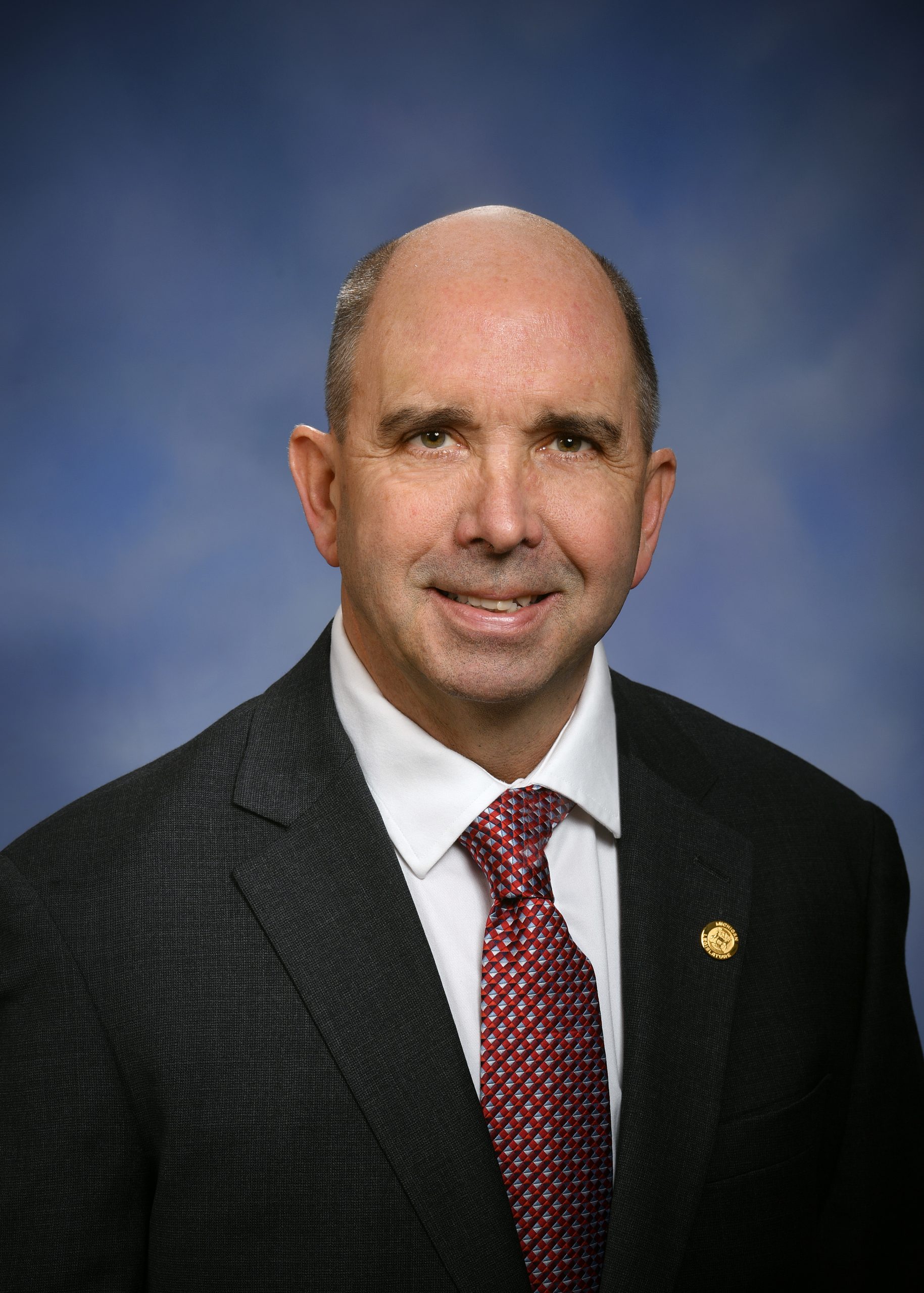
Rep. Jerry Neyer
Sponsored bills
Maddy summaryHB 5480, known as the "Natalia Moore Law," allows parents to transfer children to another school district if the child experiences bullying at their current school. To qualify, parents must provide documented bullying incidents, proof of reporting to school staff, and evidence that prior interventions failed. The receiving district must accept the transfer and share academic records within 7 days, while the child’s original district cannot charge tuition for such transfers under the amended school code. This law directly affects students experiencing bullying and their families seeking safer school environments.
Maddy summaryThis bill establishes a temporary gas tax holiday in Michigan, setting the motor fuel tax rate to zero cents per gallon starting immediately. The zero rate will remain in effect until either November 1, 2026, or the nationwide average gas price drops below $3.50, whichever happens first. While the holiday is active, the standard tax rates for gasoline and diesel are suspended, and the bill includes specific reporting requirements for suppliers and end users holding fuel inventory.
Maddy summaryThis bill extends the Michigan First-Time Home Buyer Savings Program through December 31, 2026, by amending the existing law that established the program. It allows individuals to open special savings accounts designated for paying qualified costs related to purchasing a single-family home in Michigan. The program permits contributions from people other than the account holder and allows joint ownership if the account holders file a joint tax return. The bill includes a provision stating that it will not take effect unless a related bill, HB 5973, is also passed into law.
Maddy summaryThis bill amends Michigan's Clean and Renewable Energy and Energy Waste Reduction Act to update definitions and requirements for renewable energy programs. It directly affects electric and natural gas providers, state agencies, and energy consumers by modifying how clean energy standards are calculated and how costs are recovered from customers. Key changes include redefining clean energy systems to include natural gas plants with carbon capture technology, establishing a wind energy resource zone board, and adjusting rules for customer generation and net metering. The legislation also updates provisions related to energy waste reduction programs and authorizes new residential energy improvement initiatives.
Maddy summaryThis bill requires electric, gas, and steam utilities in Michigan to consider all available energy sources when planning their integrated resource portfolios. It amends existing state laws governing utility rate-setting and planning processes to ensure comprehensive evaluation of different energy options. The legislation also establishes specific timelines for utility rate applications and includes provisions for partial rate relief motions for smaller gas utilities. Additionally, the bill repeals a specific section of the Public Service Commission Act related to stranded costs.
Maddy summaryThis bill removes the legal requirement for hunters and dealers in Michigan to report the number of deer pelts they possess or trade. While the law currently mandates that individuals holding licenses must submit notarized reports on all other fur-bearing animals and game birds, this legislation specifically exempts deer pelts from those reporting obligations. The change affects both hunters who keep pelts after the season and businesses that buy or sell them, allowing them to exclude deer pelts from their monthly and seasonal filings to the state department.
Maddy summaryThis bill designates the week of May 10-16, 2026, as Junior Achievement Week throughout the state of Michigan. It directly affects the organization Junior Achievement and the residents of Michigan by formally recognizing the group's efforts to teach financial literacy to students. The resolution encourages all Michiganders to celebrate the organization's work during this specific week and honors the staff who support youth financial education programs.
Maddy summaryThis House resolution urges Michigan Secretary of State Jocelyn Benson to voluntarily release documents and information regarding her past work with the Southern Poverty Law Center (SPLC), specifically concerning the organization's alleged payments to extremist groups. The bill is based on a federal indictment that accuses the SPLC of fraudulently diverting donor money to fund individuals associated with hate groups while claiming to fight them. It highlights Benson's previous roles as an undercover investigator and board member at the SPLC during the period of the alleged misconduct, suggesting she may possess unique knowledge of these operations. The resolution calls for her to publicly address her involvement to ensure transparency and avoid any appearance of impropriety, citing her prior refusal to comply with a separate subpoena as a reason for this request.
Maddy summaryHB 5302 creates a $5 million annual competitive grant program for recovery community organizations in Michigan to expand services for people seeking long-term recovery from substance use disorders. The bill requires the state to fund at least 19 certified local recovery groups and qualifying nonprofit associations, with each grant capped at $250,000 (or 50% of an organization’s operating budget). Priority goes to groups offering specific services like recovery navigation, workplace education, and wellness activities (e.g., support groups, nutrition programs). Grantees must report annually on fund usage, participant metrics, and budget details starting in 2027, with the program set to expire on October 1, 2031.