

Maddy summaryHB 5466 amends Michigan's Public Health Code to limit emergency orders restricting patient visitation in healthcare facilities to a maximum of 30 days after an epidemic declaration. It specifically requires that after this 30-day period, healthcare facilities must allow "LINDA" (loved individuals need dedicated attention) visitation for patients with cognitive impairments, including family members, patient advocates, or designated attorneys-in-fact. The bill establishes safety measures like prescreening or visit duration limits for these visitors while ensuring facilities maintain safe operations. This directly affects hospitals, assisted living facilities, and physician offices during public health emergencies.
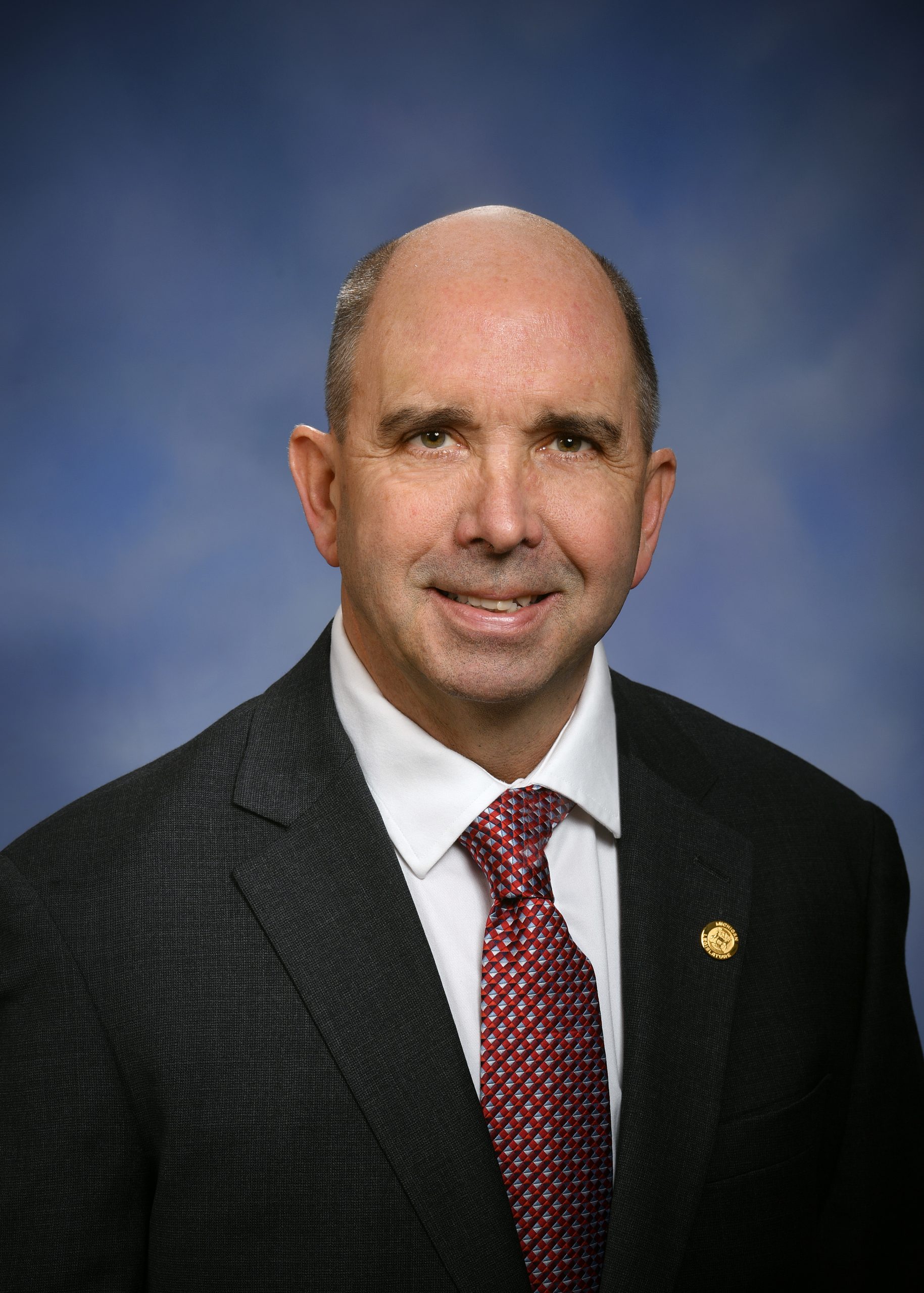
Rep. Jerry Neyer
Sponsored bills
Maddy summaryHB 4692 creates a new license for "secondary school facilities" that provide cosmetology training in separate classroom settings, directly affecting cosmetology schools and their associated training locations. These facilities must not offer public services or contain equipment like hair-drying chairs, must be staffed by licensed instructors with 3+ years' experience, and require detailed floor plans and department inspections. License holders must display their license and instructor credentials visibly, and the license becomes void if ownership changes or the location shifts, requiring a new application. The bill also mandates the department to create implementing rules within 18 months of enactment.
Maddy summaryHB 5207 updates licensing requirements for barber and cosmetology instructors in Michigan. It increases the required instructor training hours from 500 to 600 for cosmetology instructors (effective July 1, 2024) and from 600 to 900 hours for barber instructors. The bill also clarifies that prior experience cannot waive requirements like high school diplomas or exams. These changes directly affect individuals seeking to become licensed instructors in these fields.
Maddy summaryHB 4277 amends Michigan's health licensing law to remove all questions about applicants' mental health from license applications, except for two specific questions already required: whether an applicant poses a risk to patient safety and whether they can perform essential job functions. This change affects health professionals seeking initial licensure or renewal, including doctors, dentists, and nurses. The bill prohibits the department from including any additional mental health inquiries on application forms. It directly simplifies the licensing process by limiting mental health disclosures to the two existing questions.
Maddy summaryHB 4486 prohibits Michigan municipalities from banning natural gas use or the installation of natural gas infrastructure, directly affecting cities, towns, counties, and townships. The bill makes any local ordinance, resolution, or policy that restricts natural gas use or infrastructure void and unenforceable starting from its effective date. It specifically targets bans on residential, commercial, or industrial natural gas applications and related infrastructure like pipelines. This legislation ensures that local governments cannot block natural gas services or new installations within their jurisdictions.
Maddy summaryHB 4099 amends Michigan's Open Meetings Act to expand when public bodies can hold electronic meetings. It permanently allows agricultural commodity groups (like the Michigan Bean Commission or potato industry commissions), municipal retirement systems, and energy joint agencies to meet electronically under any circumstances - no longer limited to emergencies. The bill requires public bodies to post 18-hour advance notice online with clear participation details, ensure two-way communication during meetings, and publish agendas 2 hours before. It applies to all affected public bodies and ensures transparency for public participation, including accessibility for people with disabilities. This law took effect after being signed by the Governor in December 2025.
Maddy summaryHB 4122 amends Michigan's food code to clarify requirements for cottage food operations, which are small-scale home-based businesses making non-potentially hazardous foods like baked goods and jams. The bill specifically updates definitions in Section 1105 to clarify rules about nonnutritive substances in confectionery products (e.g., candy), ensuring such substances must serve a functional purpose and not deceive consumers. It modifies existing safety standards to specify that nonnutritive objects embedded in candy must not make the product unsafe or misleading. These changes directly affect Michigan cottage food businesses and their compliance with labeling and safety regulations.
Maddy summaryHB 4285 requires Michigan schools to offer firearm safety instruction for students in grades 6-12 by September 2025. The state must create a model program (based on existing hunter safety standards) covering safe handling, cleaning, firearm types, and hunting practices, taught by certified instructors - **without bringing firearms into school buildings**. Schools may offer this as an optional extracurricular class or integrate it into existing courses, and students or parents may opt out without penalty. Completing the program counts toward the hunter safety certification needed for a hunting license. The bill directly affects all Michigan public schools and students in grades 6-12.
Maddy summaryHB 4098 amends Michigan's Tax Tribunal Act to allow property tax dispute hearings to be held electronically via phone or video conference, with consent from all parties and tribunal approval. It directly affects property owners, businesses, and tax assessors involved in tax tribunal cases who previously could only attend in-person hearings. The key change expands existing provisions (Sections 26 and 34) to include virtual hearing options alongside in-person meetings, while maintaining requirements for public notice and open meetings compliance. This update modernizes the process for resolving property tax disputes without altering tax rates or assessment standards.
Maddy summaryHB 5391 changes Michigan's unemployment benefits recovery rules by limiting the time the state can seek repayment of improperly paid benefits. It prohibits the unemployment agency from recovering benefits more than one year after the claimant receives the payment, affecting most unemployed Michiganders who received benefits by mistake. Exceptions include cases involving suspected identity fraud (where recovery may still be pursued) or intentional fraud (where no time limit applies). The bill also maintains existing hardship waiver options for repayment if recovery would be unfair due to financial hardship or administrative errors.