

Maddy summaryHB 4522 modifies Michigan's vehicle code to require heavy trucks (over 10,000 pounds gross weight) to drive in any lane on freeways with three or more lanes for travel in the same direction, rather than restricting them to the rightmost lanes. This directly affects commercial truck drivers and fleet operators on Michigan freeways. The law specifies exceptions allowing trucks to use the right lane only for left turns, safety reasons, or construction-related lane closures. It also prohibits local governments from creating conflicting lane-use ordinances for these situations.
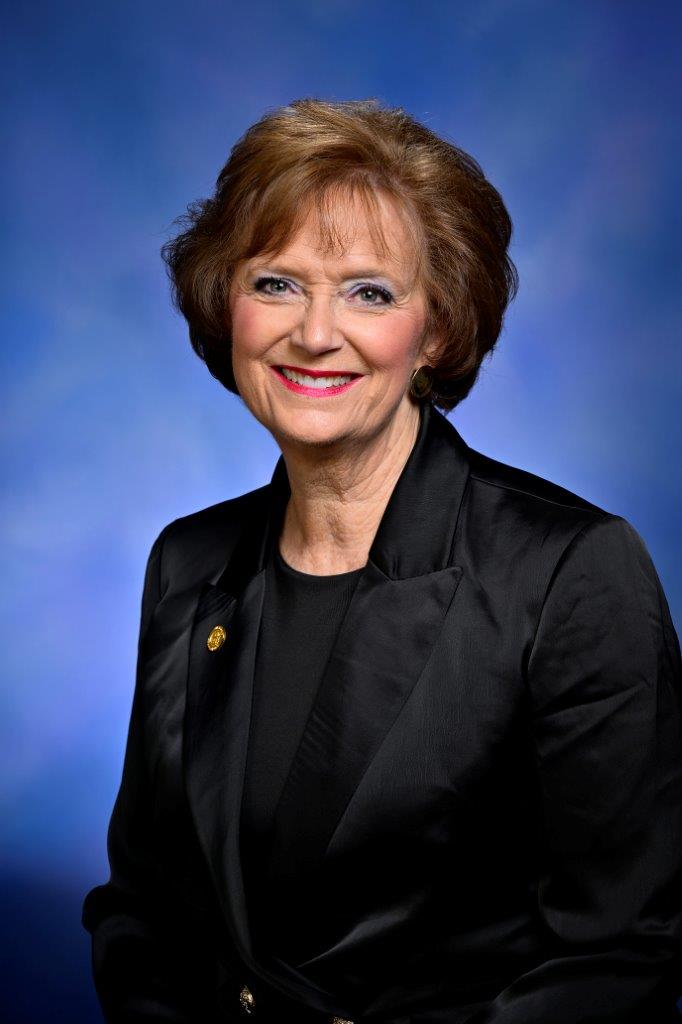
Rep. Nancy DeBoer
Sponsored bills
Maddy summaryHB 5060 requires bars, nightclubs, and other alcohol-serving establishments to hire bouncers only after they complete mandatory training on preventing positional asphyxiation - a dangerous restraint technique that can restrict breathing. The bill mandates that owners verify this training before employing anyone whose duties might involve physically restraining patrons. The Michigan Commission on Law Enforcement Standards will develop specific training rules, and violations could trigger penalties under Michigan's liquor control laws. The bill's effective date depends on another related bill (HB 5061) also being enacted.
Maddy summaryHB 5061 requires bars and restaurants serving alcohol to provide mandatory server training to all employees within 60 days of hire. The training covers identifying intoxication signs, responsible ID verification, handling over-service, and legal consequences of violations - specifically addressing how to prevent sales to visibly intoxicated patrons or minors. It creates a "responsible vendor" designation for licensees that complete the training and maintain a clean record, with supervisors trained on every shift during service hours. This bill directly affects all licensed establishments serving alcohol in Michigan, aiming to reduce prohibited sales through standardized education. The title's reference to "bouncers" appears incorrect; the bill focuses on server training, not positional asphyxiation prevention.
Maddy summaryHB 5048 creates special vehicle registration plates in Michigan for specific military service groups. It allows eligible veterans, survivors, and family members to apply for plates featuring unique identifiers: "EX-POW" for prisoners of war or spouses, "WWI" for World War I/Cold War veterans (defined as 1945-1991), "Pearl Harbor survivor," "Purple Heart" with medal vignette, "Gold Star Family" (for families of fallen service members), and "Blue Star Family" (for families of currently serving members). Applicants must provide proof of eligibility to the Secretary of State, with no application or renewal fees required. These plates are displayed on vehicles and expire annually, with standard registration taxes applying except for the "EX-POW" plate for one vehicle per household.
Maddy summaryHB 4664 prohibits blocking state highways during assemblies of individuals, amending Michigan's existing traffic law (MCL 257.676b). It directly affects protesters or assembly participants who obstruct highway traffic, making such obstruction a misdemeanor offense. The key provision adds a specific penalty for blocking highways while engaging in group assemblies, moving beyond general traffic violations. This law clarifies that highway obstruction during protests is a criminal act, not merely a traffic infraction.
Maddy summaryHB 4755 strengthens Michigan's consumer protection law by adding Section 3j to prohibit deceptive ticket sales practices. It directly affects ticket sellers (like event organizers and vendors) and protects consumers by banning false claims about ticket availability, hidden fees, and misleading pricing. Key provisions require clear disclosure of all costs upfront, prevent sellers from falsely claiming tickets are "sold out" to pressure purchases, and stop hidden fees from appearing only at checkout. The law applies to all ticket transactions and became effective immediately after its passage on September 9, 2025.
Maddy summaryThis resolution (HR 169) designates September 11-17, 2025, as "Patriot Week" in Michigan. It does not create new laws or policies but encourages Michigan residents, schools, and government agencies to honor American history, founding documents, and symbols during this week. The resolution specifically urges participation in activities that promote studying the nation's history and values, including recognition of the September 11, 2001, attacks and key historical figures and events. As a commemorative resolution, it has no direct legal or financial impact on individuals or entities.
Maddy summaryHB 4024 requires public K-12 schools to restrict student access to restrooms and changing areas based on biological sex. This policy directly affects all students in these schools, particularly those whose gender identity does not align with their biological sex. The bill establishes new requirements for schools to enforce this policy, mandating that facility access be determined by biological sex rather than gender identity. It passed the legislature with immediate effect on September 9, 2025, and is now in force.
Maddy summaryHB 4017 modifies workplace safety reporting rules by reducing the maximum penalty for failing to report a death if the death occurs on a family farm. It specifically lowers the penalty amount for employers who don't report fatalities involving certain individuals (like family members) working on their own farm. The bill affects employers in Michigan who operate family farms and are subject to workplace safety laws under MCL 408.1035. This change directly alters the penalty structure for reporting requirements related to farm-related workplace deaths.
Maddy summaryThis resolution (HR 161) is a ceremonial declaration by the Michigan House of Representatives, not a policy bill. It formally designates September 2025 as "Workforce Development Month" across the state of Michigan. The resolution recognizes the importance of workforce training programs, education, and partnerships in preparing Michiganders for jobs in key sectors like manufacturing, technology, and advanced agriculture. It highlights Michigan's skilled trades workforce and celebrates efforts to connect people with career pathways, without creating new laws or funding.