Maddy summaryThis bill designates euchre as the official game of the state of Michigan. It creates a new act to formally establish this title in state law. The legislation does not impose any regulations or restrictions on how the game is played, but rather serves as a symbolic designation for the state.

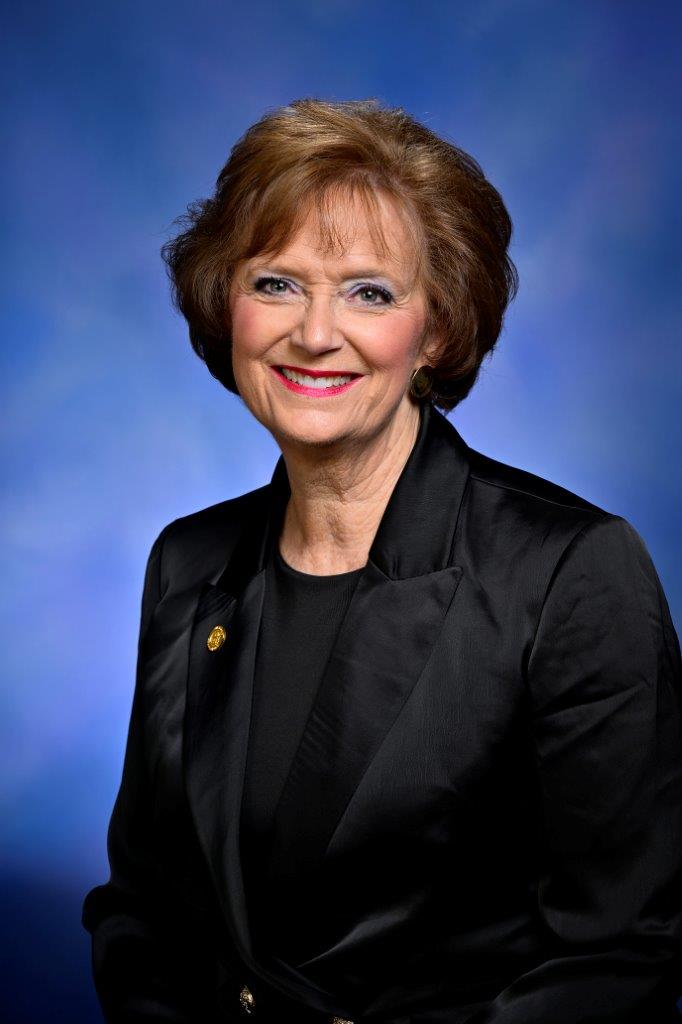
Rep. Nancy DeBoer
Sponsored bills
Maddy summaryThis Michigan bill imposes a two-year moratorium on former state legislators accepting employment with entities that receive grants from the utility consumer participation board. The measure directly affects former members of the state senate and house of representatives, restricting their job opportunities in the energy sector for a set period after they leave office. Violating this prohibition is classified as a misdemeanor, punishable by up to 90 days in prison, a fine of up to $1,000, or both penalties.
Maddy summaryThis House resolution urges the EPA Director to reexamine air quality non-attainment designations in West Michigan, specifically including Allegan County. It argues that current federal standards fail to account for pollution originating from urban areas across Lake Michigan, such as Chicago and Milwaukee, which affects local communities not responsible for those emissions. The text notes that these designations restrict manufacturing expansion and economic development in the region. Copies of the resolution are directed to be sent to the EPA Administrator.
Maddy summaryThis bill updates Michigan's Natural Resources and Environmental Protection Act to clarify definitions and procedures for commercial fishing in the state's Great Lakes waters. It directly affects licensed commercial fishermen, fish dealers, and the Department of Natural Resources by establishing precise meanings for terms like "abandoned gear," "quota," and various types of fishing nets. The legislation also adds new definitions to improve record-keeping requirements for fish production, storage, and sale, ensuring that all commercial activities are clearly regulated. By amending multiple existing sections and adding a new one, the bill aims to provide a more structured framework for managing allowable catch limits and enforcing fishing privileges.

Maddy summaryThis bill would require Michigan teacher preparation programs to mandate specific literacy training for all participants by September 2027. The legislation adds new requirements to the state's school code, making completion of LETRS training and comprehensive knowledge of the science of reading mandatory for graduation from these programs. Specifically, all individuals in teacher preparation programs must complete LETRS training, and those who teach literacy or reading methods courses must also demonstrate comprehensive knowledge of reading science. The bill applies to both traditional teacher preparation programs and alternative teaching programs, with the state department responsible for enforcing these new approval standards.
Maddy summaryThis bill requires K-5 teachers and literacy support staff in Michigan to complete specific professional training focused on reading and literacy instruction by the 2029-2030 school year. The legislation designates a single state-approved provider to deliver the training, which must cover evidence-based reading methods, assessment strategies, and a multitiered system of supports for addressing learning difficulties. School districts must report annual compliance data to the state department, which will publish public reports on implementation progress and recommend funding adjustments as needed. The training includes mandatory components on phonics, vocabulary, comprehension, and data-driven decision-making, with phased implementation beginning in the 2026-2027 school year.
Maddy summaryHB 4644 allows villages, cities, and townships with populations under 30,000 (based on the 2010 census) to permit golf cart operation on local streets and county roads, subject to specific safety rules. Key provisions include requiring operators to be at least 16 years old with a valid driver’s license, limiting speed to 15 mph, prohibiting operation on sidewalks or during nighttime (30 minutes before sunset to 30 minutes after sunrise), and requiring registration without fees. County boards may block golf cart use if safety or environmental concerns are proven after a public hearing. The bill also establishes procedures for local units to request limited golf cart access on state highways under specific conditions, such as connecting tourist areas or crossing natural barriers.
Maddy summaryHB 4750 requires Michigan's foster care department to use or save existing benefits (such as Medicaid or education funds) for children in foster care when it serves their best interests, directly affecting all children in the state's foster care system. The bill amends Michigan's foster care law to mandate this approach, ensuring benefits are prioritized for the child's well-being rather than other uses. Key provisions include adding a new section (8f) to the existing law, directing the department to make decisions based on each child's specific needs. This policy change clarifies how resources must be managed without specifying new funding or programs.
Maddy summaryHB 4350 amends Michigan's Natural Resources and Environmental Protection Act to allow individuals to feed wild birds and other wildlife under specific conditions. This bill permits such feeding if it occurs within 300 feet of a residence and the total amount of feed does not exceed two gallons. It clarifies that this allowance does not apply to activities like baiting for hunting, normal agricultural practices, or feeding conducted in a way that excludes deer and elk. This aims to create limited exceptions for recreational or preventative feeding of wildlife by residents.
Maddy summaryHB 4808 amends Michigan's Open Meetings Act to allow specific public bodies to hold remote meetings via video or phone under new conditions, expanding beyond emergency situations. It directly affects agricultural commodity groups (like beef or potato commissions), municipal retirement boards, energy joint agencies, and the Children's Trust Michigan state board. Key provisions require two-way communication during remote meetings, 18-hour advance notice with clear participation details, and agenda posting 2 hours before meetings. The bill maintains transparency requirements while permitting remote participation for these designated groups without restricting physical meeting options.