

Maddy summaryThis bill amends Michigan's enhanced driver license and identification card laws to allow individuals to voluntarily include a "communication impediment" designation on their ID. The designation is intended for people with conditions like deafness or autism that may hinder communication with police officers. Under the new rules, law enforcement personnel with authorized access to a specific state network would be able to view this designation. The bill also clarifies privacy protections, ensuring that Social Security numbers and other personal data are not printed on the front of the card. Additionally, it establishes procedures for the Secretary of State to cancel or revoke this designation if the underlying health condition no longer exists, following a notice and hearing process for the cardholder.
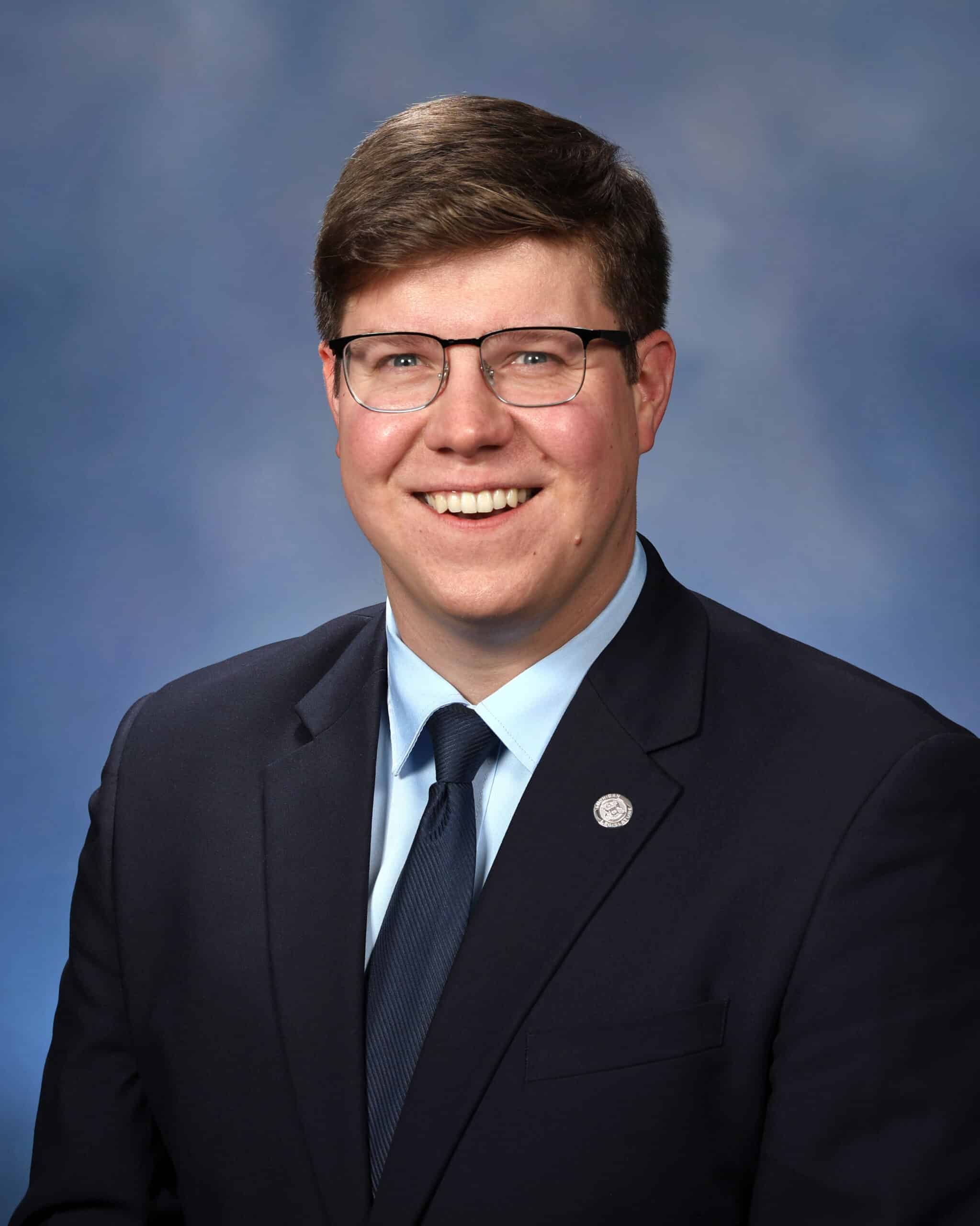
Rep. Stephen Wooden
Sponsored bills
Maddy summaryHB 5949 creates a new program allowing vehicle owners in Michigan to request a free 'communication impediment' decal for their windshield or license plate. This decal signals that the driver or a household member has a condition, such as deafness or autism, that might make communicating with police during a traffic stop difficult. To qualify, owners must submit a certification from a licensed medical professional confirming the communication barrier. The bill also updates existing vehicle registration laws to include a digital designation in state records for these individuals, while establishing penalties for fraud and procedures for revoking the designation if abuse is suspected.
Maddy summaryThis resolution declares May 2026 as Brain Tumor Awareness Month in Michigan to highlight the severity of brain tumors and the state's role in research and treatment. The bill does not change laws or allocate funding but serves as a symbolic gesture to raise public awareness about the disease's impact on patients and families. It recognizes Michigan's medical centers and the urgent need for better treatments given the limited number of approved therapies available.
Maddy summaryHB 5925 amends Michigan's corporate income tax law to require companies to add back certain expenses related to outsourcing and relocating business operations out of the state. Specifically, the bill mandates that businesses must include specified outsourcing expenses in their taxable income if those costs were incurred to eliminate a trade or business located in Michigan or to relocate a business that was previously in the state to a new location outside of it. The legislation defines these eligible expenses as costs associated with ending or moving a business, such as permit fees, lease brokerage fees, and equipment installation costs. This change directly affects corporations with business activity in Michigan that have undertaken outsourcing or relocation activities, requiring them to pay additional state taxes on these specific expenditures.
Maddy summaryThis bill, known as the Commercial Advertising Loudness Mitigation Act, would require video streaming services in Michigan to ensure that commercial advertisements are not louder than the accompanying video content. Starting July 1, 2027, these services must regulate audio levels so that ads do not exceed the volume of the programs or videos they interrupt. The law applies to internet-based streaming platforms but excludes traditional television stations, cable operators, and services that do not include ads. Violations of this rule could result in a civil fine of up to $10,000 for each instance, which would be collected by the state attorney general and deposited into the general fund.
Maddy summaryThis bill declares April 24, 2026, as Armenian Genocide Remembrance Day in the state of Michigan. It is a commemorative resolution that does not change laws or affect daily operations, but instead formally recognizes the date to honor victims of the 1915-1923 Armenian Genocide. The measure builds on Michigan's existing 2002 recognition of the genocide and aims to promote awareness and remembrance within the state.
Maddy summaryThis resolution officially designates May 2026 as Jewish American Heritage Month within the state of Michigan. It aims to honor the history, culture, and contributions of American Jews to the state and the nation. The measure does not change laws or create new programs but serves as a formal declaration of recognition.
Maddy summaryThis resolution asks Michigan's representatives in Congress to support H.R. 7459, a bill designed to create a federal Coastal Storm Risk Management Trust Fund. The proposed fund would provide permanent money for coastal projects, such as beach nourishment, to help manage erosion along the Great Lakes. By encouraging the delegation to back this legislation, the bill aims to ensure a steady source of funding for protecting shorelines and public property. It does not directly allocate money itself but serves as a formal request to influence the congressional delegation's stance on the funding bill.
Maddy summaryThis bill designates April 23, 2026, as Autism Acceptance Day throughout the state of Michigan. It directly affects state residents by encouraging them to promote understanding and inclusion for individuals with autism spectrum disorder on that specific date. The resolution does not create new laws or funding but serves as a symbolic gesture to raise awareness and reduce stigma. By officially recognizing the day, the legislature aims to highlight the importance of supporting neurodiverse individuals and their families.
Maddy summaryThis bill creates the Michigan PFAS action response team (MPART), a new state entity dedicated to addressing contamination from PFAS chemicals, commonly known as 'forever chemicals.' The team will be composed of directors from various state departments, including environmental protection and health services, who will work together to identify affected sites, develop cleanup plans, and coordinate public health responses. MPART is authorized to conduct investigations, hire experts, share information with local and federal agencies, and recommend changes to existing laws to better manage environmental and public safety threats related to PFAS.