

Maddy summaryHB 4088 adjusts the property tax credit for Michigan homeowners by raising the taxable value cap for homestead eligibility from $135,000 (through 2021) to $196,500 starting in 2026. It requires annual adjustments to this cap based on the U.S. Consumer Price Index (CPI), rounded to the nearest $100, to maintain its real value over time. The bill directly affects homeowners claiming the property tax credit who own homestead properties with taxable values exceeding the new cap. This change modifies the eligibility threshold under Section 520 of Michigan's Income Tax Act, ensuring the cap keeps pace with inflation.
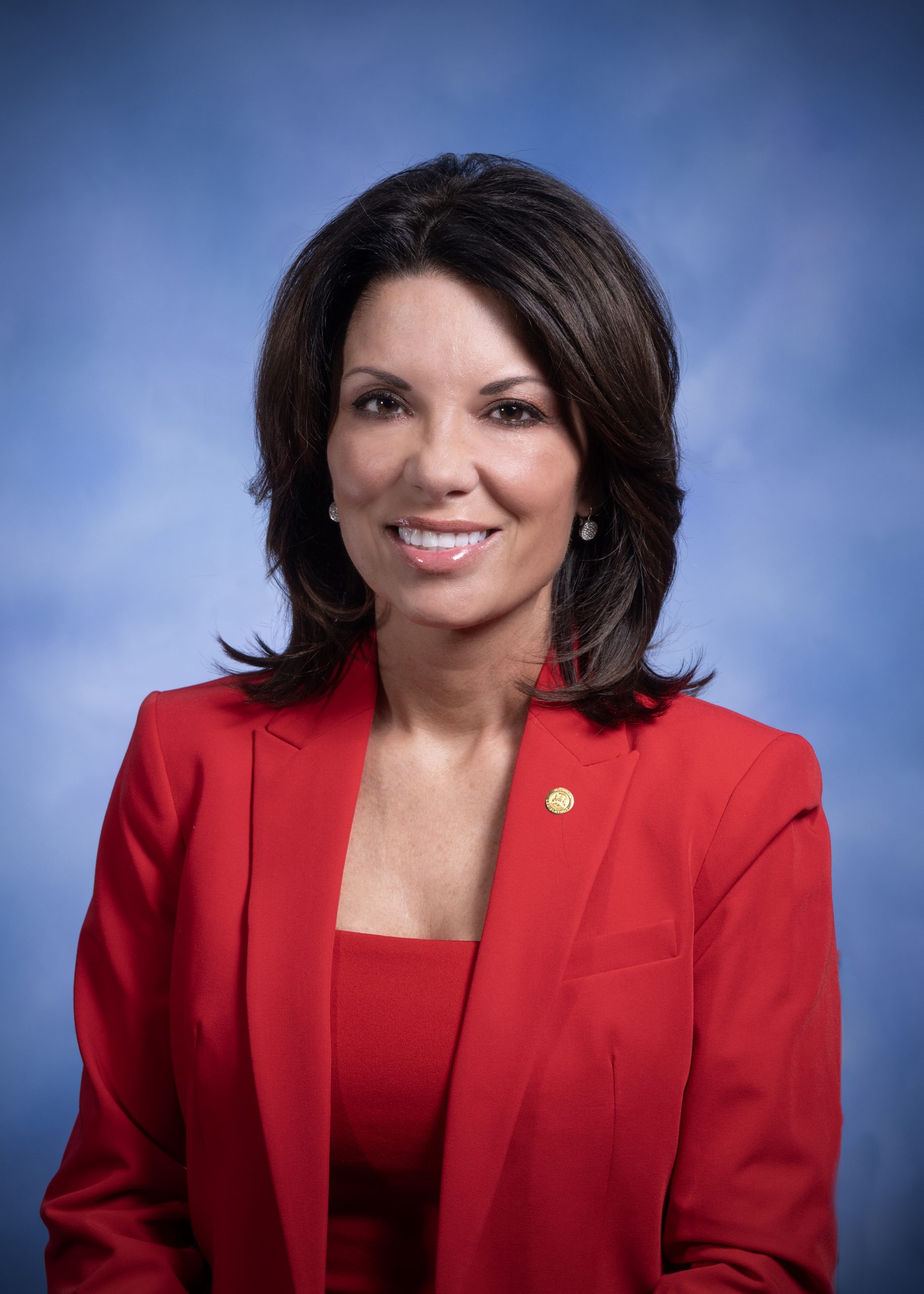
Rep. Angela Rigas
Sponsored bills
Maddy summaryHB 5114 designates October 14 of each year as "Charlie Kirk Day" in Michigan. This ceremonial bill creates no new policies, funding, or obligations - it simply names a day for recognition. It directly affects the public by establishing a symbolic observance date, with no specific groups or programs impacted. The bill is purely commemorative and has no substantive provisions beyond the designation.
Maddy summaryHB 4825 would create a tax credit for businesses that sell beverages in returnable containers (like soda cans or bottles), allowing them to deduct $0.005 per container sold from their Michigan corporate income tax starting in 2026. The credit amount would automatically increase each year based on inflation (using the U.S. Consumer Price Index) beginning in 2027. To claim the credit, businesses must attach a specific report (required under existing law) with their annual tax return. This policy directly affects beverage distributors who manage deposit systems for returnable containers, reducing their tax liability or generating refunds if the credit exceeds their tax bill.
Maddy summaryHB 4375 amends Michigan's Use Tax Act to limit the tax credit for trade-in value when purchasing new vehicles. It caps the deductible trade-in value at $5,000 for motor vehicles or recreational vehicles (previously $2,000, increased annually until 2018). This change directly affects vehicle buyers and dealers in transactions involving trade-ins, as it reduces the amount that can be offset against the purchase price for tax calculation purposes. The bill updates Section 2(f)(xii) of the Use Tax Act to reflect this $5,000 maximum. The change became effective immediately after the bill passed the Michigan House on October 23, 2025.
Maddy summaryThis resolution declares October 15, 2025, as Pregnancy and Infant Loss Remembrance Day in Michigan. It directly honors families affected by miscarriage, stillbirth, or infant loss - impacting all Michiganders who experience these losses or support affected individuals. The bill aims to raise public awareness about pregnancy and infant loss, encouraging communities and professionals (like healthcare workers and educators) to provide more compassionate support. It does not create new laws or allocate funding, but serves as a symbolic gesture to acknowledge these experiences.
Maddy summaryThis is a ceremonial resolution (HR 189) passed by the Michigan House of Representatives to honor the Detroit Red Wings hockey team on its 100th season. It does not create new laws or affect any policies; it simply recognizes the team's historical significance to Michigan. The resolution cites the Red Wings' founding in 1926, 11 Stanley Cup championships, cultural impact as "Hockeytown," and community work through their foundation. The House formally resolved to commemorate the team and transmitted a copy to the Red Wings organization as a gesture of appreciation.
Maddy summaryHB 5098 prevents Michigan's Unemployment Insurance Agency from stopping its fraud detection software except for brief, documented maintenance needed to keep the system running. The bill requires the agency to immediately restore the software after any maintenance and limits such maintenance to what's strictly necessary. This directly affects the agency's operations and people filing unemployment claims, as the software helps identify potentially fraudulent applications. The law amends Michigan's Employment Security Act to mandate continuous use of the fraud detection tools, with specific rules for temporary maintenance periods.
Maddy summaryThis House Resolution (HR 184) urges the U.S. Congress to pass H.R. 1156, the Pandemic Unemployment Fraud Enforcement Act. The resolution states that H.R. 1156 would extend the statute of limitations for prosecuting pandemic unemployment fraud from five to ten years, allowing federal and state authorities more time to investigate complex fraud cases - such as those involving identity theft or money laundering - and recover misused taxpayer funds. It references Michigan's estimated $8.5 billion in potentially fraudulent pandemic unemployment benefits as context for the need for extended enforcement. As a procedural resolution, HR 184 itself does not create new law but seeks to advance H.R. 1156.
Maddy summaryHR 185 is a symbolic resolution declaring October 2025 as Domestic Violence Awareness Month in Michigan. It does not create new laws or allocate funds but officially recognizes the month for state-wide awareness efforts. The resolution directly affects Michigan state government by directing official recognition during that period, though it does not change policies or impact individuals. This is a procedural measure introduced and adopted by Representative Stephanie Young on October 21, 2025.
Maddy summaryHB 4709 prohibits the construction of commercial wind turbines for electricity production in the Great Lakes or their connecting waters, and bans operating any such turbines built in violation of this rule. It directly affects commercial wind energy developers planning projects in these waters, preventing new installations. The bill also states that renewable energy credits cannot be issued for electricity generated by prohibited turbines, and allows the attorney general to seek court injunctions to stop violations. This amendment adds a specific environmental protection measure to Michigan's Clean Energy Act.